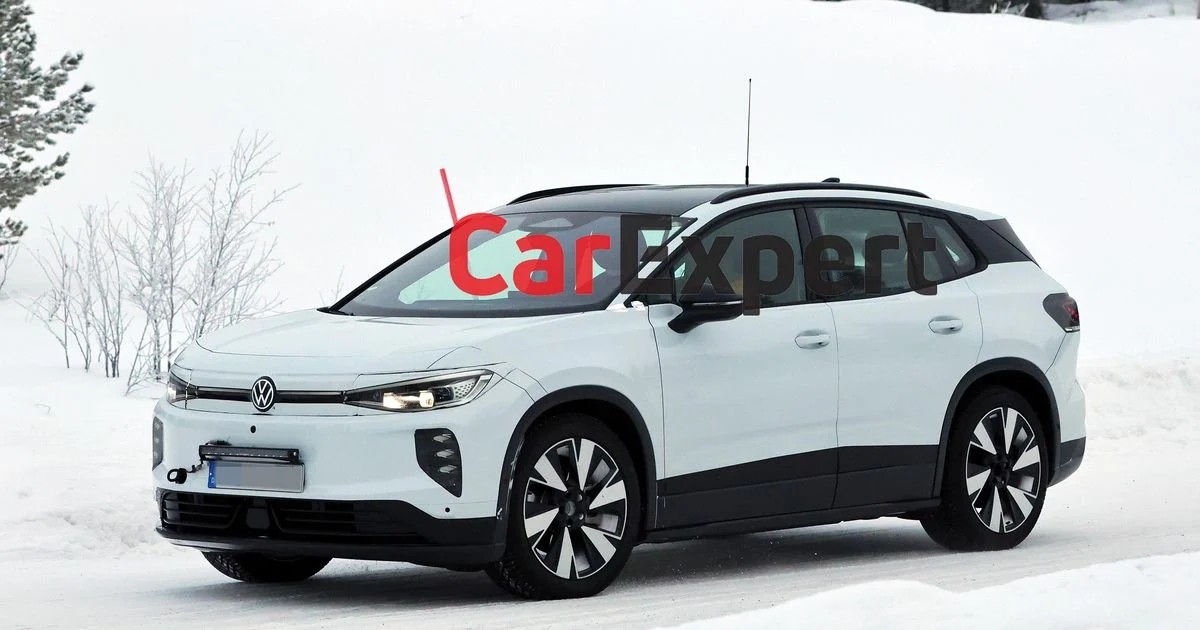
Volkswagen is set to rebrand its ID.4 electric crossover as the ID. Tiguan as part of a comprehensive facelift, marking a shift in the company’s EV naming strategy. This change, confirmed by the IG Metall union at a recent press conference, signals Volkswagen’s intention to align its electric models more closely with traditional vehicle nomenclature.
Major Exterior Overhaul
The upcoming ID. Tiguan will feature a heavily revised exterior design, with nearly every panel—excluding the roof—being updated. Key changes include sharper styling lines, more pronounced body contours, squared-off wheel arches, and conventional pull-out door handles replacing the current lift-up style. The front and rear fascias are expected to mirror the design of the latest gasoline-powered Tiguan, bridging the gap between Volkswagen’s EV and internal combustion engine (ICE) lineups.
Interior Redesign: Back to Physical Controls
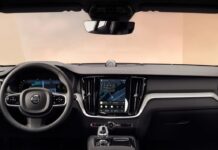
The interior will undergo a significant overhaul, abandoning the much-criticized capacitive buttons and sliders in favor of physical controls for essential functions. This move comes as Volkswagen re-evaluates its approach to EV interiors, aiming for a more user-friendly experience. The ID. Tiguan will also receive an upgraded infotainment system with improved responsiveness and a streamlined interface.
Tech Updates and Battery Options
Under the hood, the ID. Tiguan will leverage an updated version of the MEB electric platform. Volkswagen plans to incorporate cheaper lithium iron phosphate (LFP) batteries for select models, alongside the continued use of nickel manganese cobalt (NMC) lithium-ion batteries for longer-range variants. This strategy reflects a broader effort to reduce production costs and expand accessibility.
Why This Matters
This rebranding is part of a larger trend within Volkswagen to distance itself from the overly futuristic branding of its early EVs. The company’s marketing chief, Martin Sander, has stated that upcoming EV models “will get proper names again,” reflecting a desire to appeal to a wider audience beyond early adopters. The ID. Tiguan is expected to debut later this year, with an Australian launch likely in 2027. By aligning its EVs with familiar model names, Volkswagen aims to normalize electric vehicle ownership and accelerate mainstream adoption.