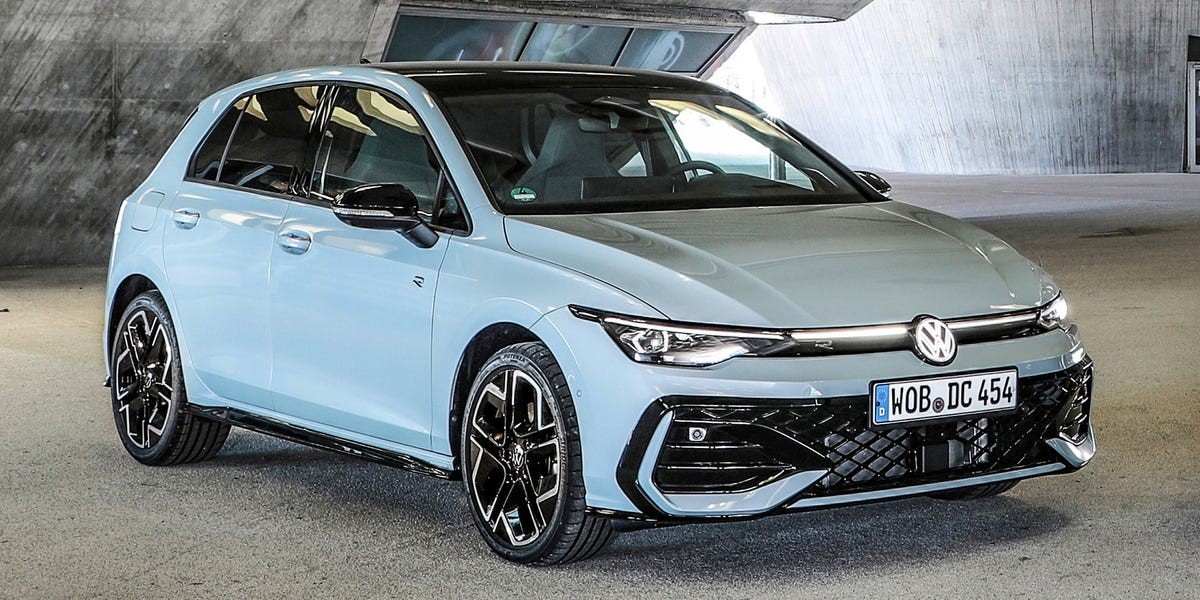
Volkswagen has officially revealed a new hybrid variant of its iconic Golf hatchback, designed specifically for the European market. This update marks a strategic move by the German automaker to enhance the fuel efficiency of its most famous compact car through a sophisticated dual-motor system.
A Sophisticated Dual-Motor Powertrain
The new Golf Hybrid departs from traditional single-motor setups by utilizing a more complex architecture. The system integrates a 1.5-liter TSI evo2 four-cylinder engine with two distinct electric motors: one dedicated to driving the wheels and another acting as a generator.
This configuration allows the vehicle to operate in both series and parallel hybrid modes, a method of power management similar to the technology used in Honda’s hybrid systems. The driving dynamics change based on speed and demand:
- Low-speed driving: The front electric motor acts as the sole power source, allowing for quiet, emission-free urban transit.
- Heavy acceleration: The electric motor provides drive while the internal combustion engine is decoupled, serving only to run the generator and replenish energy.
- Highway cruising: The four-cylinder engine takes over as the primary driver, with the electric motor providing supplemental power when necessary.
To support this system, Volkswagen has tucked a 1.6 kWh battery pack beneath the rear floor of the vehicle. While specific horsepower and exact fuel economy improvements have not yet been disclosed, the design clearly prioritizes seamless transitions between electric and gasoline power.
Why This Matters: The Push for Compliance
The timing of this release is no coincidence. The automotive industry is currently facing a tightening regulatory landscape, particularly in Europe.
The introduction of the Golf Hybrid is a calculated response to the impending Euro 7 emissions standards. As regulations become more stringent, manufacturers are under immense pressure to reduce the carbon footprint of their most high-volume models. By hybridizing the Golf—a vehicle that serves as a cornerstone of their lineup—Volkswagen can significantly lower fleet-wide emissions without requiring a total, expensive shift to full electrification for every model in their catalog.
Market Availability: A Tale of Two Continents
While this development is a win for European drivers, it offers little consolation to the North American market.
Volkswagen discontinued the standard Golf in the United States following the 2021 model year, focusing instead on its SUV lineup and high-performance niches. Consequently, this new hybrid technology will not be available to American consumers. For enthusiasts in the U.S., the only remaining ways to experience the Golf nameplate are through its dedicated performance variants, the Golf GTI and the Golf R.
This hybrid update represents Volkswagen’s tactical pivot toward efficiency, ensuring their most popular hatchback remains compliant with tightening global environmental regulations.