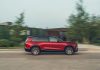
Volvo has re-entered the Chinese market with an updated version of its EX30 electric SUV, now starting at a more competitive 159,800 yuan (approximately $23,200 USD). This launch follows a global recall earlier this year of over 40,000 EX30 vehicles due to battery overheating risks, a situation which also involved a significant legal dispute between Volvo’s parent company, Geely, and battery supplier Sunwoda.
Revised Lineup and Pricing
The 2026 EX30 is available in three configurations:
- RWD Plus: 159,800 yuan ($23,200 USD)
- RWD Long Range Ultra: 189,800 yuan ($27,500 USD)
- AWD Performance Ultra: 209,800 yuan ($30,400 USD)
The introduction of the RWD Plus model is the most significant change. It replaces the discontinued RWD Core variant and comes equipped with upgrades like Pilot Assist driver assistance, lane-keeping assist, an electric tailgate, panoramic sunroof, wireless charging, and a Harman Kardon audio system – all while maintaining the original RWD Core’s 410 km CLTC range.
Battery Issues and Legal Action
The timing of this relaunch is critical. Volvo issued a global recall in February due to potential battery fires. The incident exposed vulnerabilities in the supply chain, with Geely previously suing Sunwoda for up to 2.31 billion yuan over fire risks. The lawsuit was later settled for 608 million yuan, but highlights the industry-wide pressure on EV safety and quality control.
Performance and Range Options
The EX30 offers three powertrain options:
- Single Motor RWD: 200 kW (268 hp)
- RWD Plus: 410 km CLTC range, 0-100 km/h in 5.7 seconds, 10-80% charge in 26 minutes.
- RWD Long Range Ultra: 590 km CLTC range, 0-100 km/h in 5.3 seconds, 10-80% charge in 28 minutes.
- AWD Performance Ultra: 315 kW (422 hp), 0-100 km/h in 3.6 seconds, 540 km CLTC range, 10-80% charge in 28 minutes.
The updated EX30’s pricing and feature improvements suggest Volvo is responding to market pressure while addressing safety concerns. The Chinese EV market is extremely competitive, and a lower entry price could attract buyers who were previously hesitant due to the earlier recall.