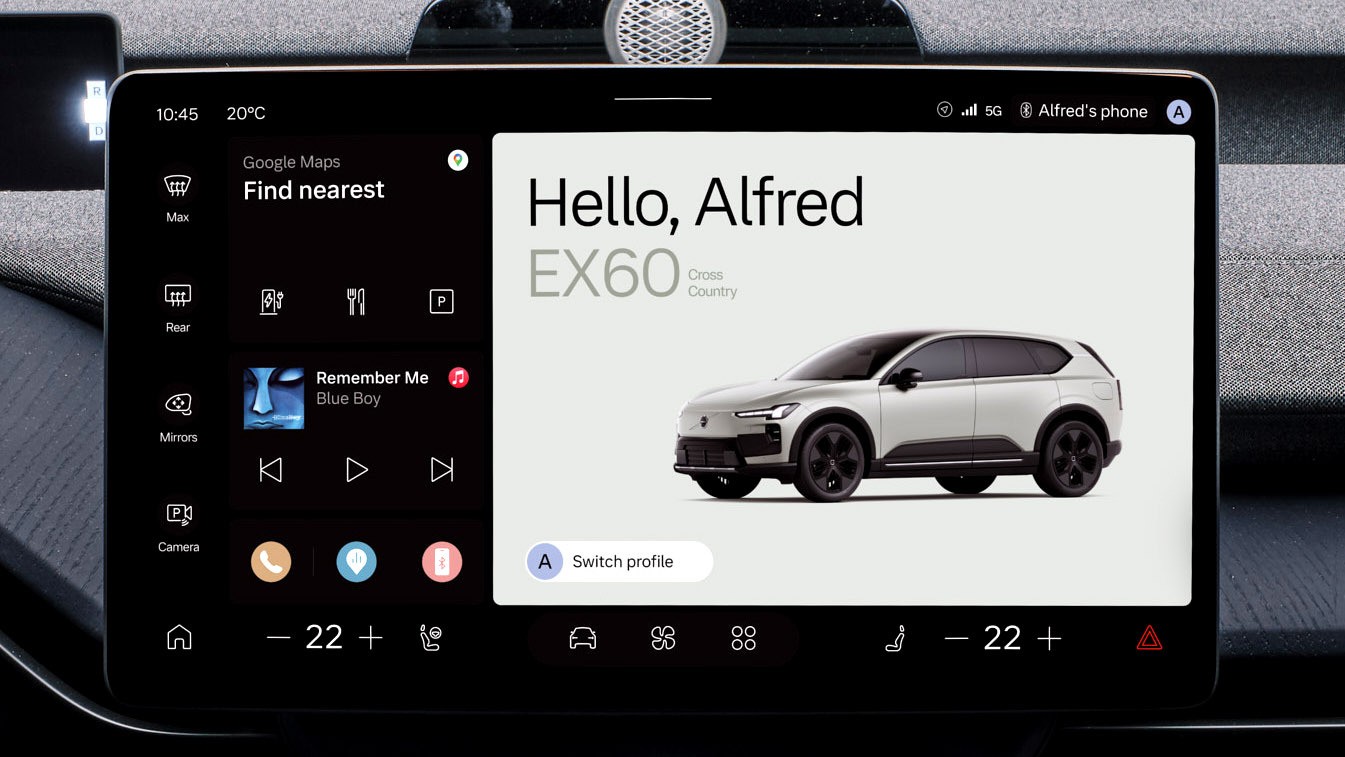
Volvo is deploying a massive over-the-air software update to roughly 2.5 million vehicles worldwide, bringing the latest infotainment experience – including Google Gemini AI – to older models without requiring a trip to the dealership. The update, rolling out over the coming months, will modernize the interface of Volvos built from 2020 onward, aligning them with the newer EX30, EX60, and EX90 models.
Modernizing the Fleet: A Software-First Approach
This move represents a significant step in Volvo’s strategy to keep its fleet current through software updates, rather than relying solely on hardware upgrades. The company’s CTO, Anders Bell, described the rollout as “one of the biggest over-the-air updates in the history of the world,” highlighting the scale of the operation.
Why this matters: Volvo is effectively extending the lifespan of its existing vehicles by giving them updated features via software, a trend that many automakers are adopting. This approach saves customers money, reduces waste, and keeps cars competitive for longer.
Gemini Integration: A Conversational AI Leap
The key feature of the update is the integration of Google Gemini, replacing the older Google Assistant. This means owners of supported Volvos will gain access to a more advanced AI assistant capable of natural language processing, conversational interactions, and even live brainstorming.
What Gemini Brings to the Car
- Intuitive Voice Control: Gemini will understand more natural speech patterns, making in-car interactions easier while driving.
- Multilingual Support: The system can translate messages on the fly before sending.
- Contextual Awareness: Gemini can pull information from the car’s user manual or details about your destination.
- Live Functionality: The AI can assist with learning, problem-solving, or simply brainstorming ideas while you’re on the road.
The hardware catch: While the software experience will be largely the same across older and newer models, some minor differences will exist due to varying chipsets and screen sizes in earlier vehicles.
A Shift Toward Software-Defined Vehicles
Volvo’s update is part of a broader industry trend toward software-defined vehicles (SDVs). Instead of waiting for new hardware cycles, automakers are pushing updates that can add new features or fix bugs remotely. This keeps cars fresh, secure, and competitive without costly physical upgrades.
The update is expected to roll out wirelessly over the next few months, with no dealership visit required. This exemplifies how over-the-air updates are becoming the norm for modern vehicles, allowing manufacturers to iterate quickly and deliver value to customers long after the initial purchase.