Americans have an enduring love affair with pickup trucks, but the global market offers a surprisingly diverse range of models that remain tantalizingly out of reach for U.S. buyers. While the Ford F-150, Chevrolet Silverado, and Ram 1500 dominate domestic sales, other regions enjoy a wealth of interesting and capable pickups. This isn’t just about preference; it’s about varying global demands, regulatory differences, and manufacturer strategies.
Global Demand: Beyond Full-Size
The U.S. focus on large, heavy-duty trucks doesn’t reflect worldwide trends. The Ford Ranger leads sales in Europe, while the Toyota Hilux remains a stronghold in Asia, Africa, and the Middle East. Australia boasts a particularly vibrant pickup market with unique options. This disparity matters because it demonstrates how vehicle preferences are shaped by infrastructure, economic conditions, and cultural needs.
The Dacia Duster Truck: A Tiny But Mighty Contender
Dacia, a Romanian automaker owned by Renault, has launched a compact pickup based on its popular Duster SUV. Outsourced to a local coachbuilder, this tiny truck features a bed measuring just over four feet long, but can still carry nearly 1,000 pounds of cargo. Its affordability and practicality make it a potential cult favorite in markets where full-size trucks are overkill.
Ford Ranger Super Duty: The Towing King We Miss Out On
Ford offers a beefed-up Ranger Super Duty in Australia that out-tows even the F-150, with a capacity of nearly 10,000 pounds. Powered by an upgraded 3.0-liter turbodiesel engine producing over 440 lb-ft of torque, this rugged variant features a snorkel, heavy-duty suspension, and optional 34-gallon fuel tank. The absence of such a capable mid-size truck in the U.S. market leaves a gap for serious off-roaders and work crews.
Kia Tasman: A Fresh Rival to Established Names
Kia’s Tasman pickup is designed to compete directly with the Ranger and Hilux. Its distinctive design, featuring bold grille and fender flares, sets it apart. Inside, the Tasman prioritizes passenger comfort with class-leading space and modern tech, including dual 12.3-inch displays and a folding center console table. Available with gas or diesel powertrains, the Tasman is a strong contender that could challenge American brands if it were sold stateside.
Nissan Frontier Pro Plug-In Hybrid: Electrification We Don’t Get
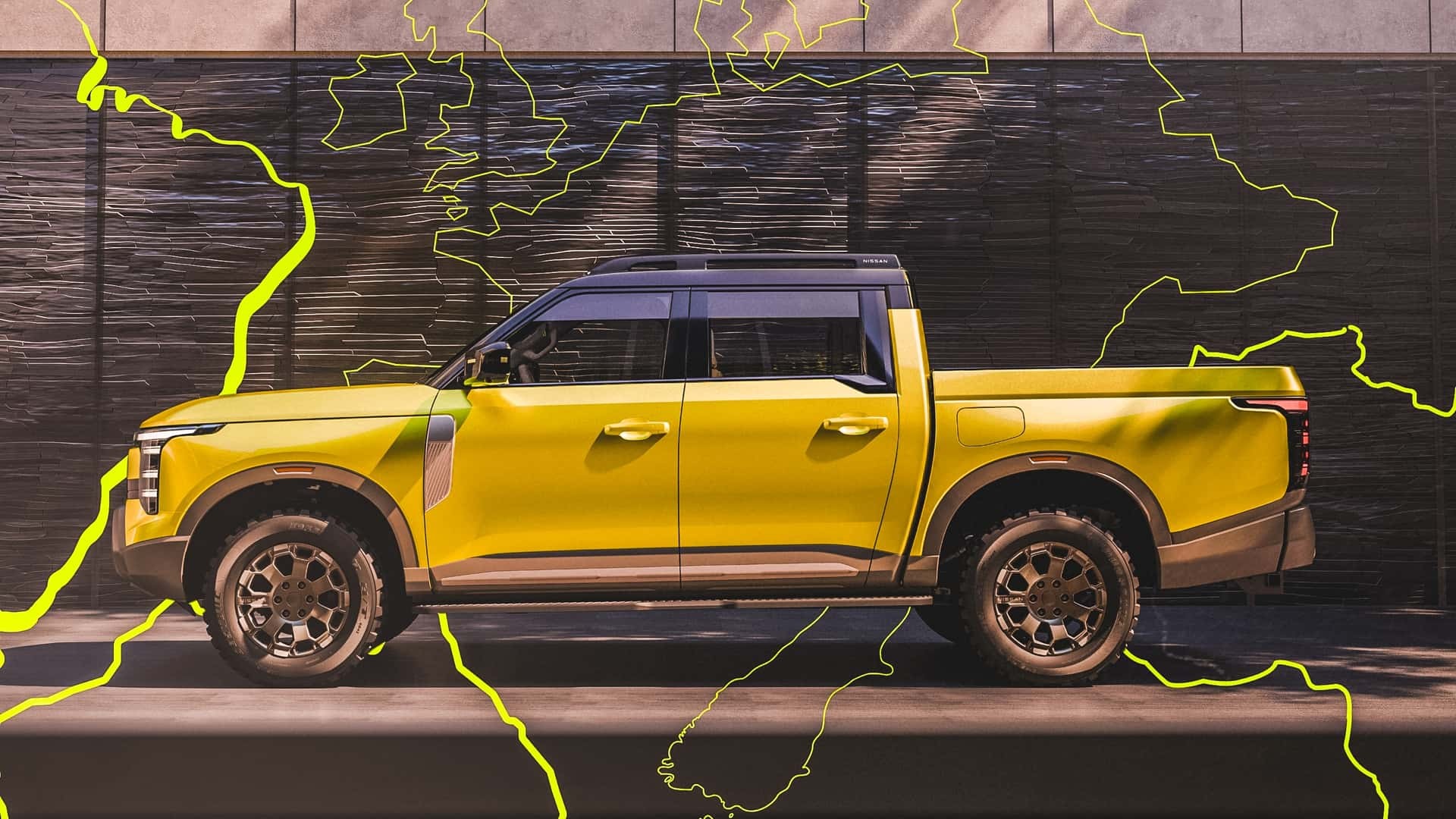
Nissan has launched a plug-in hybrid version of the Frontier in China, combining a 1.5-liter four-cylinder engine with an electric motor for a combined output of 402 horsepower and nearly 600 lb-ft of torque. Despite the growing demand for electrified vehicles, Nissan has no plans to bring this model to the U.S., missing out on a potentially lucrative segment.
Toyota Hilux Electric: The Future of Global Pickups
Toyota unveiled a fully electric version of the Hilux alongside traditional gas and diesel options. The EV model boasts dual electric motors and a 59.2-kWh battery pack, while the company plans to introduce a fuel cell variant by 2028. This forward-thinking approach highlights Toyota’s commitment to electrification in global markets, but the U.S. remains excluded.
Ram Rampage: A Unibody Pickup for Europe
The Ram Rampage, already successful in Brazil, is now heading to Europe. Available in Rebel and R/T trims, this unibody pickup offers a blend of comfort and capability, with a payload capacity of over 2,200 pounds. The R/T version, powered by a 272-horsepower engine, accelerates to 62 mph in under seven seconds. The absence of such a versatile and refined pickup in the U.S. market is a missed opportunity for Ram.
Conclusion: The global pickup truck market offers a range of models that cater to diverse needs and preferences. While U.S. buyers enjoy a strong selection of full-size trucks, the absence of these international options reflects missed opportunities for manufacturers and limitations for consumers. These “forbidden” trucks demonstrate that innovation and demand extend far beyond American borders.