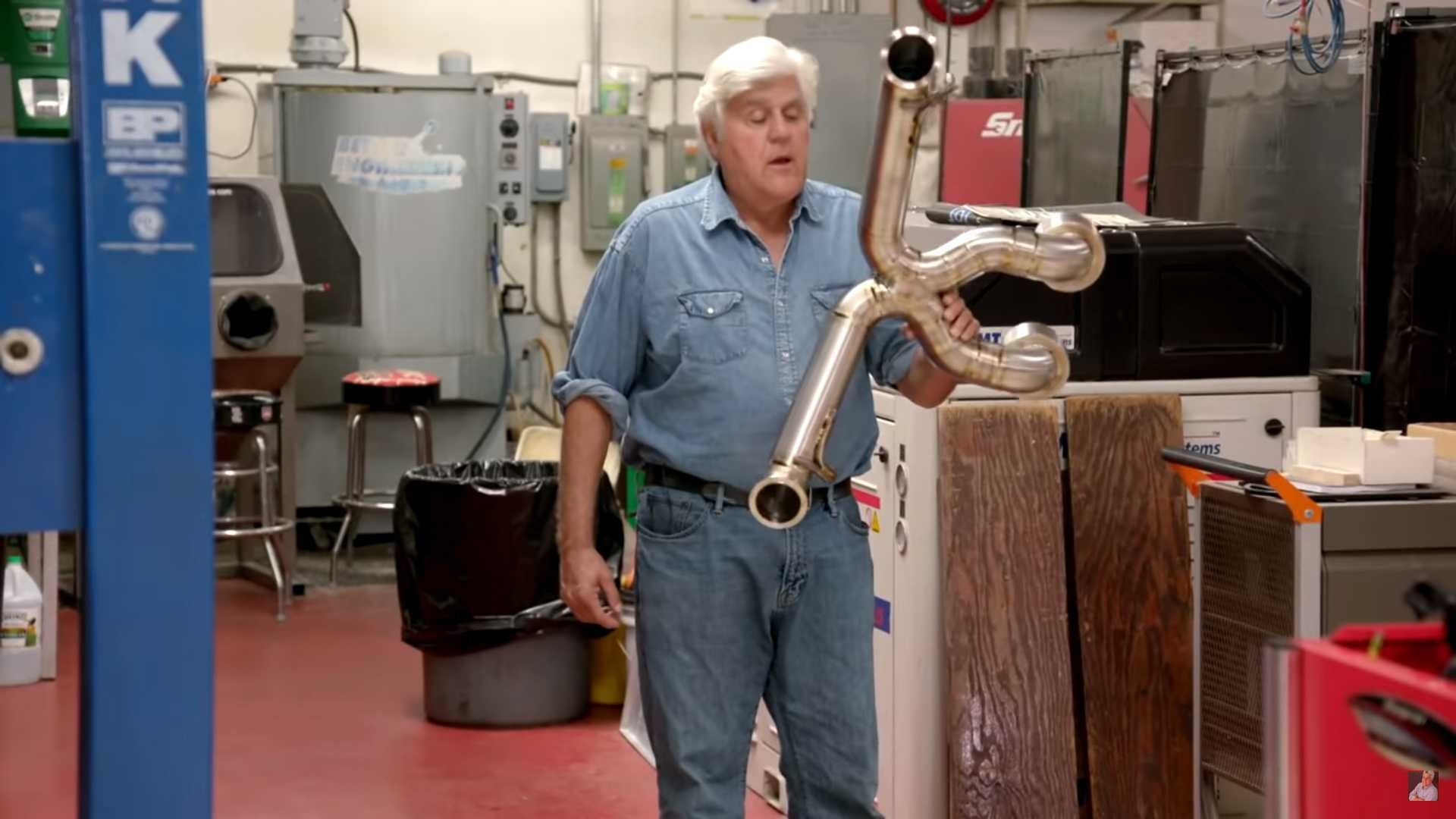
California lawmakers are revisiting a proposal to exempt classic cars from strict emissions testing, a bill popularly known as “Leno’s Law” due to its backing by comedian and car collector Jay Leno. This renewed effort, formalized as Senate Bill 1392 (SB1392), aims to provide smog exemptions for registered collector vehicles, a move that could significantly impact enthusiasts in the state.
The Core of the Bill
The bill focuses on cars registered specifically as collector vehicles, meaning they must be at least 35 years old and primarily used for exhibition, shows, or charitable events. The exemption would initially apply to vehicles made up to 1981, gradually expanding to include those from 1986 over the law’s term, which runs through 2032. This is not a blanket exemption for all older vehicles, but rather a targeted approach for those meeting strict criteria.
How California’s Emissions Rules Currently Work
Currently, California exempts gasoline-powered vehicles built before 1976 and diesel vehicles before 1998 from smog checks. SB1392 would expand this by introducing exemptions for newer classics. According to estimates, over 17,500 applications could be filed if the bill passes, indicating substantial interest among collectors.
The Bill’s Limitations and Broader Context
While the bill has potential benefits for a small group of enthusiasts, it won’t offer relief for most classic car owners. The strict criteria—collector registration, limited use cases—mean that many modified or daily-driven older vehicles will remain subject to emissions standards.
California’s approach to emissions is rigorous, but critics note that automotive emissions are not the only factor contributing to poor air quality. Industrial pollution and other sources play a significant role, yet face less scrutiny. This dynamic raises questions about the balance between environmental regulations and practical accessibility for car owners.
Why It Matters
The debate over SB1392 highlights a broader tension: how to reconcile environmental concerns with the preservation of automotive culture. For some, maintaining classic cars is about preserving history; for others, it’s simply an affordable transportation option. The bill represents a small step towards accommodating both sides, but it doesn’t address the systemic issues that make older car ownership challenging in California.
Ultimately, SB1392 is a niche solution that won’t solve broader accessibility issues. It’s a step forward for a select few, but it doesn’t fundamentally alter the landscape for average car enthusiasts.