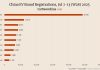
Canadian consumer interest in Chinese-made electric vehicles (EVs) is surging, driven primarily by a significant reduction in import tariffs. A recent poll indicates that 15% of Canadians now prefer Chinese EVs over other brands, a 6-percentage-point increase since 2024. This shift comes as the Canadian government lowers tariffs on Chinese EVs from 100% to 6.1% on the first 49,000 vehicles imported annually, a move announced by Prime Minister Mark Carney on January 16th.
Tariff Reduction Fuels Demand
The tariff adjustment is expected to dramatically lower prices on models like the Lotus Eletre, which could see its Canadian price halved from 305,000 CAD to 156,750 CAD. This will also benefit other Chinese EV brands, including Tesla (made in China), Geely (Volvo & Polestar), BYD, and Nio. Over half of the 49,000 eligible vehicles are now projected to cost under 35,000 CAD, making them far more accessible to Canadian buyers.
Shifting Perceptions of Chinese EVs
Notably, 53% of Canadians report that the origin of an EV would not influence their purchasing decision, a sharp increase from just 25% in 2024. Conversely, the number of consumers actively avoiding Chinese EVs due to country-of-origin concerns has dropped by 33% to 28%. This indicates that while some reservations remain, growing affordability and perceptions of technological advancement are outweighing geopolitical considerations for many buyers.
The Rise of Chinese EV Technology
Chinese automakers have rapidly gained traction globally with competitive pricing and cutting-edge technology. While design and driving dynamics may not always match Western preferences, these vehicles often excel in charging speed, feature sets, and overall value. As Chinese EVs become more prevalent on the Canadian market, consumer loyalty is expected to continue rising alongside availability.
The growing appeal of Chinese EVs in Canada demonstrates how economic factors, like tariff reductions, can reshape consumer preferences, even in areas where geopolitical perceptions once held strong influence.
The trend suggests that Canadians are prioritizing value and technological features, and Chinese automakers are well-positioned to capitalize on this shift.