Luxury car ownership is a trap. You buy a BMW X5 or Mercedes-Benz GLE thinking you’re investing in prestige. You’re not. You’re signing up for a depreciation nightmare. These vehicles can lose half their value before they hit 50,000 miles. That’s money burned. Maintenance bills follow close behind. Leasing becomes the only logical exit strategy.
Lexus breaks this cycle. The brand defies the standard luxury auto economics. But which model actually delivers the promised combo of reliability, luxury, and resale value? The answer isn’t the sedan. It’s not even the most popular SUV.
The Depreciation Trap of Legacy Luxury
Legacy brands like Mercedes and BMW demand premium pricing for upfront costs and steep long-term losses. Take the Mercedes-Benz C-Class. Start at $65,000. Six years later, it’s worth roughly $24,000. That’s a massive hole in your pocket. The tech that looks good in the showroom costs a fortune to fix once the warranty expires. This drives the lease culture. Buyers know they’re abandoning the asset long before the repair bills pile up.
SUVs fare slightly better than sedans but aren’t safe. CarEdge data shows midsize luxury SUVs—the BMW X5, Audi Q7, Mercedes GLE—lose 45 to 55 percent of their value in five years.
The 2015 Land Rover LR102 HSE LUX is a cautionary tale. MSRP: $43,375. Current fair purchase price: $9,800. Extreme? Sure. But the data holds up. Fear of maintenance drives these values down. Even the flagship Range Rover sheds 50 to 60 percent of its value in the same window. People dump these for a reason. Their fears aren’t unfounded.
Why Lexus Depreciates Less Than German Rivals
Lexus vehicles depreciate about 38 percent in the same timeframe. That’s at least 18 percent less loss than their German competitors. You pay for the brand, sure. But you don’t pay double for maintenance. Lexus parts are often cheaper because Toyota is the parent company. The parts are virtually the same as Toyota’s but with better fit and finish.
This engineering heritage keeps Lexus at the top of J.D. Power reliability lists year after year. It’s a luxury brand built on Toyota’s robust backbone. You aren’t expected to use exotic fluids or special tools. You can put any old part in without voiding your soul. Well, almost any part.
The Sedans Are Dying
Think the smartest buy is the Lexus ES or RX? Popular doesn’t always mean profitable long-term. The Lexus ES depreciates about 35 percent. That’s good. But the market has shifted. Sedans are disappearing. The Lexus LS was axed. Ford killed the Fusion. Toyota dropped the Avalon.
Sedans just don’t move like SUVs. If you want maximum retention, avoid the sedan route entirely. The ES works, but it’s fighting a losing battle against consumer preference for higher ride positions.
The RX: Economics Over Emotion
The Lexus RX has been the brand’s best-seller for decades. It’s comfortable. It’s spacious. It has family room. In 2025, Lexus sold over 113,08 RXs. That’s a lot of supply. Depreciation sits between 27 and 35 percent depending on the year. High supply meets steady demand. Result? Flooded used markets. People trade these in frequently. It’s a smart buy, but the resale value gets diluted by volume.
The Real Winner: The Lexus GX 550
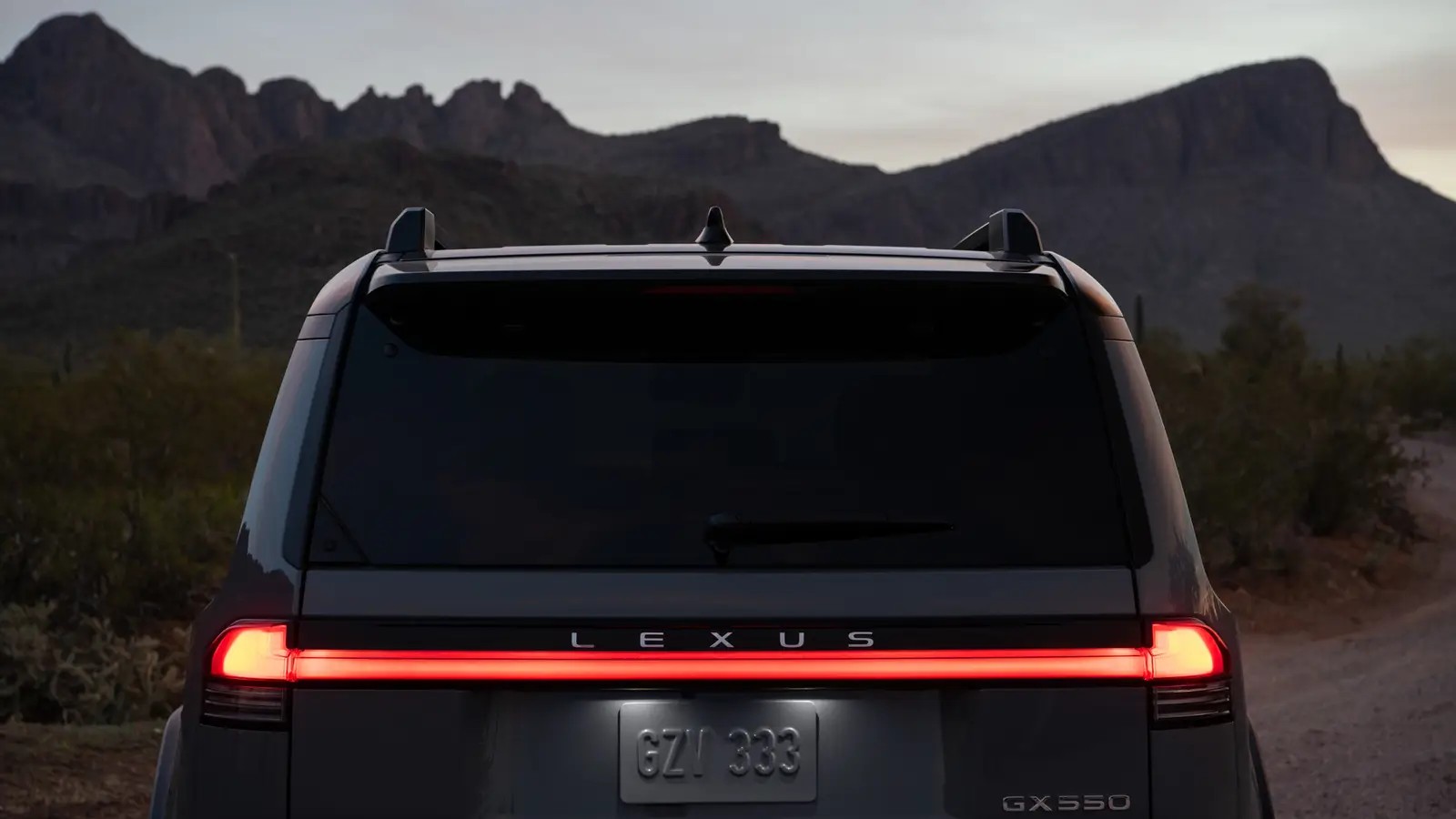
If you want the ultimate blend of luxury, off-road capability, and retained value, look at the Lexus GX 550. This is the literal do-it-all Lexus. It improves on the previous generation in every metric.
The engine changed. Two cylinders dropped. Horsepower went up by 48. The new twin-turbocharged V6 pumps out 349 horsepower. It comes with standard full-time four-wheel drive. More importantly, it rides on the Toyota Land Cruiser Prado frame. This is TNGA-F architecture. The same frame underpins the American Land Cruiser. This isn’t a soft unibody designed for mall parking. This frame is built for life-or-death situations in the wild.
You don’t have to choose between prestige and durability.
Minimal Five-Year Depreciation
CarEdge puts the Lexus GX 550 depreciation at 33 to 35 percent over five years. Compare that to the 50 percent loss on a BMW X5. The gap is huge. Demand is insane. Automotive journalists couldn’t even get press vehicles recently. Toyota needed every unit for sale. The public doesn’t need convincing. They’re buying these like hotcakes.
A Sweet Spot in Tech and Interior
Old Lexuses had a flaw. They’d stay the same car for ten years. The interior would age poorly. The 2019 facelift helped with tech, but the bones were old. The third-generation GX 550 fixes this. It hits a sweet spot.
Yes, there’s a massive 14-inch touchscreen. But crucially, there are still analog buttons and dials. The 4×4 selector isn’t buried in a menu. You flip a switch. This matters for off-roading. Luxury features abound too. Mark Levinson audio. Front-row massaging captain’s chairs. It’s modern without being fragile.
Which Trim Should You Buy?
Price matters. The GX 550 never touches $100,000 in standard form. Base MSRP starts near $68,000. Top trims hover around $86,000 which trim is right?
Need off-road creds? Go for the Overtrail+. It comes with proper off-road tires. Towing capacity hits nearly 10,00 pounds. Want city comfort? There’s a version with street tires and third-row seating.
You get dependability. You get variety. You get a badge that holds value while others crumble. In a market of planned obsolescence and rapid depreciation, the Lexus GX 550 stands apart. It’s rare for a car to make sense. This one does. For now.