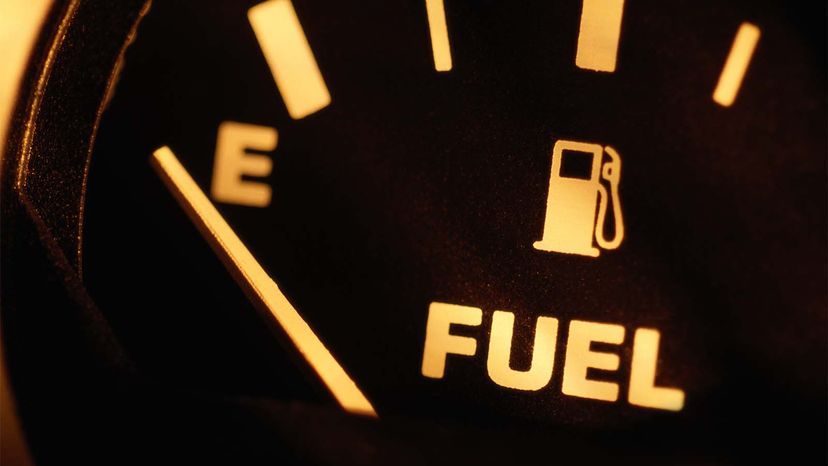
Experts agree on one non-negotiable rule. This means that the tank must be kept at least a quarter full. We all know the obvious reason. You don’t want to be stranded in the middle of nowhere with no fuel. However, there are hidden costs for ignoring the low fuel light. Driving on empty is not only inconvenient; In fact, it can damage your car in unexpected ways.
When the meter hits E, you’re not just in danger of being towed. Expensive mechanical failure ahead.
Catalytic converter risk
If the engine stops, driving is difficult. But in the last moments before the car stopped, something went wrong. The catalytic converter is part of the exhaust system. It relies on a certain air/fuel ratio to work properly. The engine sputters when it runs out of gas. It runs too lean. The converter may overheat and be damaged. This is an expensive component that needs to be replaced.
Sediment and fuel pump
Most people believe that the presence of debris in the tank is unlikely. This is not true. Fine particles settle to the bottom of the tank. they sit there. Wait.
When the fuel level drops, the fuel pump has to work harder. It sucks up the last bits. It also absorbs sediment. These particles can accumulate in the pump itself. The fuel filter can become clogged. You will lose pressure. The car will struggle.
In older cars from the 1980s and earlier, the gas tanks were made of metal. The metal is rusted. As your tank ages, harmful sediment can accumulate on the bottom. Newer vehicles use plastic fuel tanks. Sediment usually enters with contaminated fuel. Either way, the result is the same. Dirty fuel hits the pump.
Overheating problem
Even if you avoid debris, there is still a risk of damage. In many modern cars, the fuel pump is located inside the fuel tank. It is immersed in fuel. This fluid acts as both a lubricant and a coolant. Prevents the pump from overheating.
If you constantly run your tank dry, the pump will be exposed to air. It loses its cooling medium. The pump has overheated. It wears out prematurely. You may have to buy a new fuel pump instead of just refueling.
How far can you go?
How far can you run if the meter reaches E? It varies depending on the vehicle. Manufacturers design fuel level warnings in many different ways. Most cars have a light that comes on when about 2-3 gallons are left. About 7.5-11 liters.
Larger vehicles such as trucks and SUVs often have larger fuel tanks. The indicator light may come on when you have 4 gallons left. This is about 1/16 of the volume of the tank.
Distance varies too. Your driving style matters. City traffic consumes more fuel than highway driving. Traffic jams drain gas fast. If you are idling in a jam, those three gallons vanish quicker than you think.
Some newer cars display the estimated mileage on the dashboard. This tells you how many miles you can drive. This is a useful tool. However, this is an estimate. Road conditions change. Wind resistance changes. The display can lie. If you rely on it completely, you can get into trouble.
What to Do If You’re Low
If you pass a traffic light and the car starts to sputter, act fast. Turn off the air conditioner. Reduces engine strain. Save valuable fuel. Turn off the stereo. Unplug all devices. Roll up the windows. This reduces air resistance. Drive as slowly as possible. Find a gas station now.
What’s wrong with leaving the tank empty?
Yes. Running a car on empty is dangerous for your mechanics. The fuel pump requires lubrication. Fuel provides this. Without this, the pump breaks down faster. Dirt and sediment from the bottom are sucked into the system. The engine stops.
Is there a problem if the tank is empty in winter?
Winter is even worse. The last thing you want is to run out of gas while traveling in cold weather. Safety is a primary concern. If you get stuck, you freeze.
There are also mechanical reasons. If there is empty space inside the tank, condensation will form. Water is mixed with fuel. This is bad for the engine. Water does not burn. It causes corrosion.
What happens when the tank is empty?
The engine sucks in air. It’s trying to suck in fuel. Instead, air comes in. The engine stops. It may not start again until you refuel and bleed the lines.
How long can the tank run empty?
Depends on the model. Modern cars typically have 2-3 gallons of gas left when the light comes on. A certain distance is enough. Not enough to ignore.
The habit of ignoring the light is hard to break. However, your car won’t break down if you do it once or twice. Get in the habit of refueling at the quarter mark. Use it regularly. Your fuel pump will thank you.