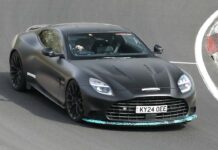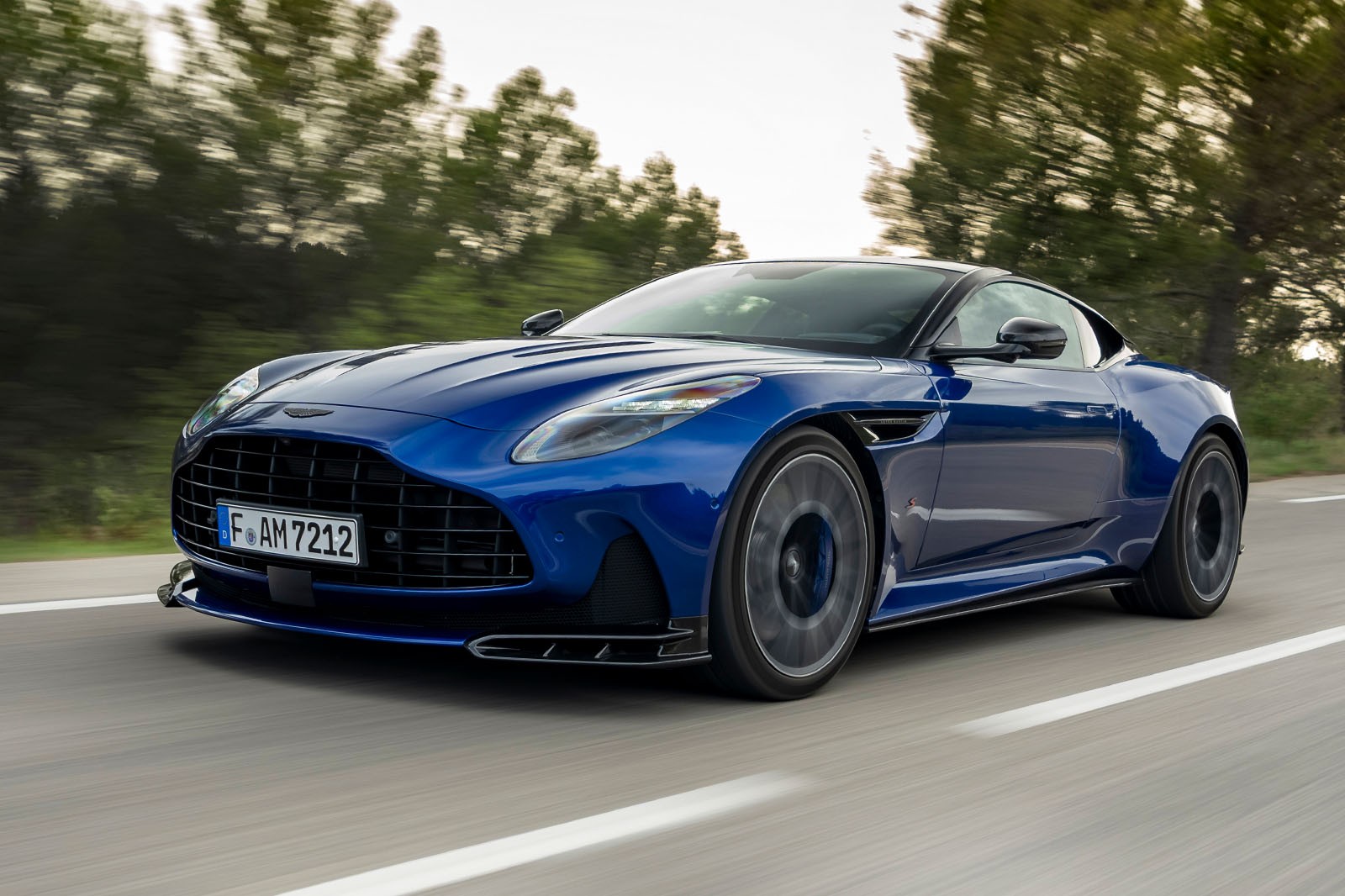
The Aston Martin DB12 S arrives not as a radical reinvention, but as a precise calibration of an already potent machine. Positioned as a “Super Tourer,” this updated coupe refines the brand’s mid-range offering by extracting more power, tightening handling dynamics, and integrating modern connectivity, all while maintaining the mechanical honesty that defines the Aston Martin experience.
For buyers who find the standard DB12 slightly too polished or reserved, the S model offers a more visceral, track-capable character without sacrificing grand touring comfort.
Performance and Powertrain Refinements
At the heart of the DB12 S lies the AMG-sourced 4.0-litre twin-turbo V8 engine, which has been recalibrated to deliver a more aggressive performance profile. The headline figure is a 20bhp increase, bringing total output to 691bhp. More importantly, engineers have adjusted the torque curve to be “fatter,” providing stronger mid-range pull.
While the 0-62mph sprint time improves by only a tenth of a second compared to the regular DB12, the subjective feeling of acceleration is markedly more potent. The engine’s character evolves significantly at high revs, where the S model avoids the slight breathlessness of the standard car, offering a more ferocious and sustained surge.
Key mechanical updates include:
* Transmission: An updated eight-speed transaxle automatic gearbox handles the increased power, paired with a recalibrated Bosch E-Diff torque-vectoring system for sharper rear-wheel traction.
* Exhaust Options: A new lightweight titanium active sports exhaust is available, featuring a distinctive “stacked” quad-pipe design. This option contributes to weight savings and enhances the auditory experience, though the sound is described as more menacing and loud rather than the soulful, musical note of Aston’s naturally aspirated predecessors.
* Driving Feel: As a non-hybrid V8, the car retains a slight softness in initial pedal response. However, once the turbo boost engages, the delivery feels full and muscular. The experience is honest and mechanical, with minor quirks like occasional gearbox clunks or propshaft whine adding to its analog appeal.
Chassis Dynamics and Weight Reduction
The most significant improvements in the DB12 S are found in its running gear, where Aston Martin has focused on agility and body control.
Weight Reduction
Through the use of carbon-ceramic brakes (standard fitment) and optional titanium exhaust, the DB12 S sheds 38kg compared to a base model without extras. With the titanium exhaust, this saving rises to nearly 50kg. While this may seem modest for a performance car, every kilogram counts in improving agility and braking efficiency in a vehicle weighing over 1,800kg.
Suspension and Handling
* Bilstein DTX Adaptive Dampers: Retuned to leverage the reduced unsprung mass from the carbon brakes, these dampers offer more linear body control. They allow for greater wheel travel at low speeds (improving ride comfort) while providing firmer, more effective control at higher speeds.
* Chassis Stiffness: A stiffer anti-roll bar at the rear axle and revised wheel geometry with increased negative camber sharpen cornering agility. This setup provides a stronger platform for the front wheels during turn-in and better stabilizes the rear axle.
* Steering: Revisions to the EPAS power steering system enhance tactile feedback and off-centre precision, making the car feel more connected to the road.
The result is a car that inspires more confidence when driven quickly. It behaves less like a soft grand tourer and more like a sports car, with flatter body roll and improved mid-corner stability.
Design and Aerodynamics
Visually, the DB12 S adopts an understated but purposeful aesthetic. The changes are subtle yet distinct, aimed at enhancing aerodynamic efficiency and signaling its performance pedigree.
- Aero Enhancements: The car features a chin spoiler, sill extensions, and extra bonnet louvres. A fixed lip spoiler on the boot replaces the standard DB12’s active “aeroblade” system.
- Front Bumpers: Beefed-up, F1-style aero ducting around the bumper corners improves airflow, though this adds some weight that is offset by the carbon brakes and other lightweight components.
- Interior Details: The cabin sees minor updates, including new three-way colour combinations for the Bridge of Weir leather (featuring embossed and debossed detailing) and subtle “S” badges. The interior also offers brighter colour options and a racier carbonfibre finish for the centre console.
Technology and Interior Practicality
A major step forward for the DB12 S is the integration of Apple CarPlay Ultra. This technology provides a deeper mirroring experience than previously available in most vehicles, allowing drivers to control ADAS (Advanced Driver Assistance Systems) and climate functions directly through their iPhone. While this makes the instrument cluster appear more generic, it significantly improves usability for Apple users. This system, previously seen on the DBX and Vanquish, is set to roll out across all Aston Martin models by the end of 2026.
Practicality Considerations:
* Seating: The comfort seats have been removed from production; all DB12s now come with sports seats as standard. These are firm and thinly padded in places but remain comfortable enough for long journeys.
* Storage: The 262-litre boot is unchanged. It is smaller than some rivals and harder to access due to the notchback design. The rear seats are tight and best suited for small children or luggage, rather than adult passengers.
* Controls: Aston Martin retains physical switchgear for key functions, ensuring that multimedia and climate controls remain easy to use without relying solely on touchscreens.
Pricing and Market Position
The DB12 S is positioned as a premium variant, but the price jump is relatively modest given the extensive upgrades.
- DB12 Coupe: Starts at £191,000
- DB12 S Coupe: Starts at £205,000
- DB12 S Volante (Convertible): Starts at £218,500
This pricing strategy preserves the DB12’s value advantage over direct rivals like the Ferrari Amalfi. Buyers can essentially spec a DB12 S to match the cost of an Italian rival while gaining a more refined, track-capable British grand tourer.
Conclusion
The Aston Martin DB12 S is a compelling evolution of the brand’s mid-range coupe. It offers a better-handling, more engaging driving experience with improved body control, sharper steering, and a more potent engine character. While it may not radically transform the car’s fundamental nature, it successfully bridges the gap between grand touring comfort and sports car agility. For enthusiasts who prefer their Astons with a bit more “teeth,” the S model is a clear step in the right direction.