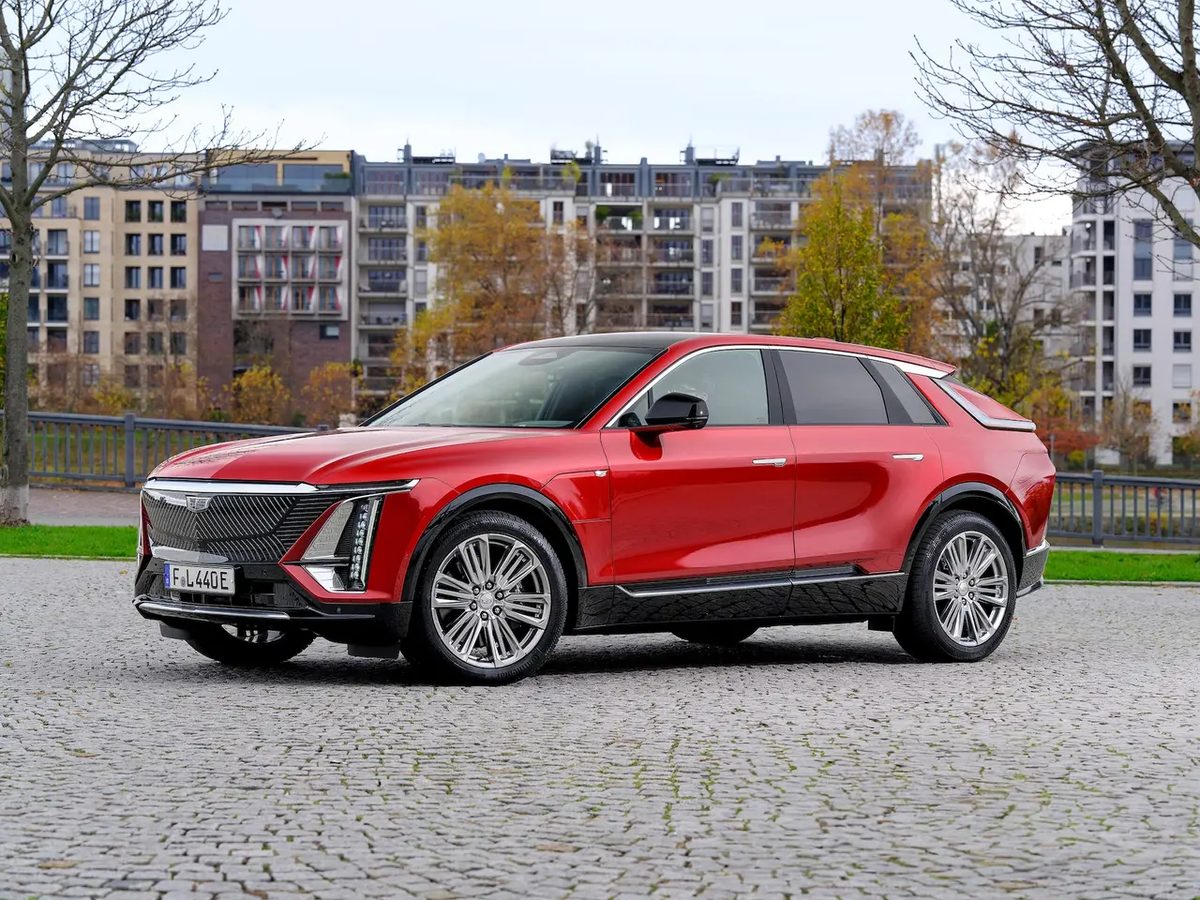
No surprises there. The American brand, a subsidiary of General Motors, is betting everything on a zero-emission lineup. But don’t mistake sustainability for weakness. Luxury and raw power remain woven into Cadillac’s DNA.
Cadillac Lyriq: The spearhead of electric renewal
On March 23, 2024, Cadillac officially confirmed its return to the French market. The weapon of choice? The Lyriq. This all-electric SUV sets the tone. It hits showrooms starting at €81,200. The battery pack holds 102 kWh. That translates to 530 kilometers of autonomy. You get 528 horsepower under the hood.
The Lyriq positions itself as a direct rival to heavyweights like the BMW iX, Audi Q8 e-tron, Tesla Model X, and Mercedes EQE SUV.
Cadillac is trying a different approach to sales. They want a modernized customer experience. That means a simplified digital purchasing platform. Test drives are available in the Île-de-France region. It’s not just about the car. It’s about how you buy it.
The compact challenger arriving in 2025
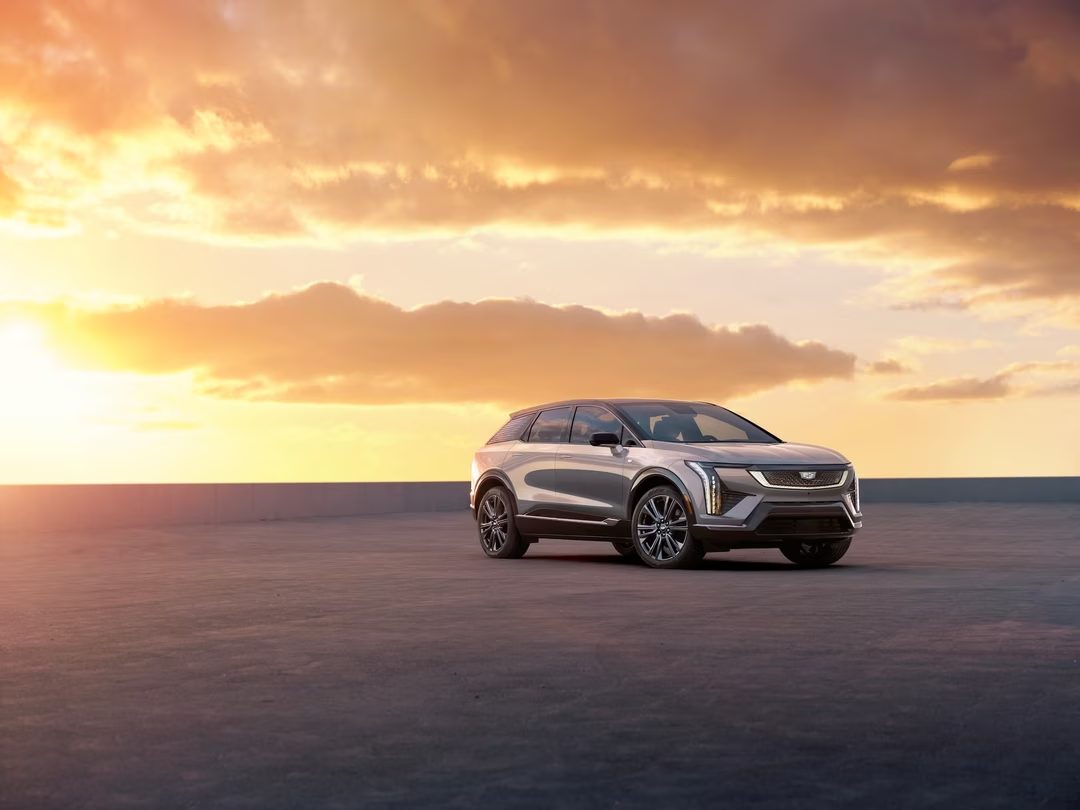
The electrification strategy doesn’t stop with one model. Cadillac has already revealed the next move. The Optiq is coming. This is a compact all-electric SUV. It was designed specifically for the European market.
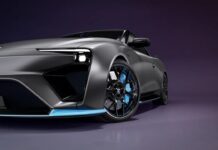
The lines are bold. The light signature is dynamic. Technical specs are still under wraps. Full details haven’t been confirmed yet. But the autonomy will be competitive. Performance will match European expectations.
The launch in France is scheduled for 2025. This reinforces Cadillac’s footprint in the electric vehicle sector. They aren’t just dipping a toe in the water. They are building a full lineup. The Lyriq starts the conversation. The Optiq continues it.
What happens when the rest of the market catches up? The pressure is on.

Cadillac’s electric pivot targets the French market
The French market is waking up. Cadillac isn’t just dropping a badge here. They are betting big on electrification. The strategy is blunt. Go direct. Cut out the middlemen. Target buyers who actually care about carbon footprints and tech. This isn’t a nostalgia play. It’s a complete reset.
Cadillac wants to prove it can sell to a new demographic in France. The traditional dealer model is getting tired. Direct sales offer transparency. It appeals to the tech-savvy driver who wants to know the price upfront. No haggling. No hidden fees. Just the car and the specs.
The zero-emission timeline
The goal is aggressive. Cadillac aims for an all-electric lineup by the end of this decade. That means less than five years. For a legacy automaker, that is fast. It signals a departure from the V8s of the past. It’s about software-defined vehicles now.
This shift isn’t just about marketing. It’s about survival in Europe. The EU emissions regulations are tightening. There is no room for hesitation. Cadillac is positioning itself as a premium alternative to Tesla and Audi in the EV space.
“The return marks a significant step in the brand’s overall strategy, aiming to propose a fully electric range by the end of the decade.”
Why France matters
France is a crucial battleground. It’s one of the largest car markets in Europe. Yet, it remains skeptical of American brands. Cadillac has to earn its keep. The direct-to-consumer approach removes friction. It allows for a controlled brand experience. This is vital for a brand trying to rebuild trust.
The focus on environmental issues aligns with French consumer sentiment. Buyers there are increasingly conscious of where their money goes. They want sustainable luxury. Cadillac is trying to merge that desire with American design cues.
The road ahead
The transition will be messy. Supply chains are fragile. Charging infrastructure is uneven. But Cadillac is moving anyway. They are betting that the allure of bold design and direct service will outweigh the logistical hurdles.
It’s a gamble. A risky one. But staying static is riskier. The market is shifting under their feet. The question isn’t if they can pull it off. It’s how quickly they can adapt. The clock is ticking. The electric era doesn’t wait.