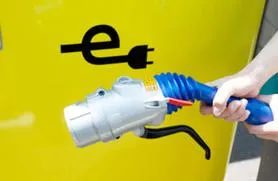
Electric vehicles are no longer science fiction. They are hitting the US mass market. Companies like Ford, Nissan, Mitsubishi, and Mini have plans on the drawing board. These cars run solely on battery power. No gasoline. No internal combustion engine.
But money matters. Early tech is pricey. However, federal and state governments are offering incentives. You might need a designated garage charger for quick charging. The Tesla Roadster is a prime example.
The real question is about the electric bill. Will it skyrocket when you plug in your green grocery-getter?
No. It won’t.
The Real Cost of Electricity
Plug In America estimates a full charge costs between $2 and $4. That price gets you about 100 miles of range. Your mileage may vary. Electricity prices in your city matter. Your driving style matters too.
Let’s look at the math.
Portland, Oregon, is a hotbed for EV adoption. The local utility provides charging infrastructure. Electricity there costs about 6 cents per kilowatt-hour (kWh).
The Mini E is in field trials. It uses 0.22 kWh per mile. For 100 miles, you use 22 kWh. In Portland, that costs $1.32.
Compare that to gas.
The 2011 Mini Cooper gets 31 miles per gallon (MPG) combined. That’s EPA data. You need 3.2 gallons to go 100 miles.
Gas costs about $2.70 a gallon. AAA says so.
3.2 gallons times $2.70 equals $8.64.
The electric Mini E costs $1.32. The gas Mini costs $8.64.
That is a huge difference. The electric car wins on cost. It also wins on emissions.
Why This Matters Now
You might think the upfront cost of an EV is too high. The technology is expensive. But the running cost is low. You save money every time you charge.
Charging infrastructure is growing. Portland is just one example. Other cities are following suit.
The future is electric. It is cheaper. It is cleaner. It is here.
Don’t let the high sticker price fool you. Look at the total cost of ownership. The savings add up fast.
Your electric bill won’t break the bank. It might even go down.
The question isn’t if EVs will take over. It’s when.