



We’ve all been there. The grocery run. The backpack full of textbooks. The cat that refuses to stay in the carrier. Carrying heavy loads is a universal human struggle. Your arms aren’t built for endless trips hauling milk jugs and fragile produce. You spill. You drop. You hurt your back.
Cars face the same problem. Just on a larger, more dangerous scale.
Towing a trailer or lugging cargo across the country puts immense strain on your drivetrain. The engine works harder. The transmission shifts under load. Suspension components compress to their limit. Overloading doesn’t just mean more trips. It means risk. To yourself. To others on the road. And to the mechanical integrity of the vehicle itself.
So, what is the actual limit? How much can you safely put in that bed, trunk, or cabin?
What Payload Actually Means
Payload is a simple term with significant weight. Literally.
It refers to everything the vehicle carries that isn’t part of its standard curb weight. This includes:
- Fuel
- Passengers
- Cargo
- Tires
- Optional equipment
Many drivers make a critical error here. They assume payload only refers to what they throw in the back seat. It doesn’t. People count.
A full tank of gas counts. Your kids in the back seat count. The aftermarket rims on your wheels count. Everything adds up. If you ignore the human element, you’re likely already over the limit.
The Math Behind the Limit
Finding your vehicle’s payload capacity isn’t a guess. It’s subtraction.
The formula is straightforward:
Curb Weight + Payload Capacity = Gross Vehicle Weight Rating (GVWR)
To find your actual payload capacity, look at the sticker on your driver’s side door jamb. It lists the GVWR. Then, find your vehicle’s actual curb weight. This number varies by trim, options, and engine. Subtract the curb weight from the GVWR. The remainder is your payload capacity.
Do not use the sticker’s “maximum payload” number if it hasn’t been updated with your specific options. Factory numbers often assume a base model. Your truck likely has more stuff in it than the base model.
Why It Matters for Safety
Exceeding payload capacity isn’t just a violation of the manual. It’s a safety hazard.
Braking distance increases. The vehicle sits lower, changing its center of gravity. Handling becomes sluggish. Steering response dulls. In an emergency stop, an overloaded vehicle doesn’t stop. It plows.
Towing amplifies this. If your tow vehicle is maxed out on payload, adding a trailer’s tongue weight can push you well over the limit. The trailer sways. The rear suspension bottoms out. Control is lost.
Knowing your numbers keeps you on the road. It keeps you alive. It keeps your parts intact.
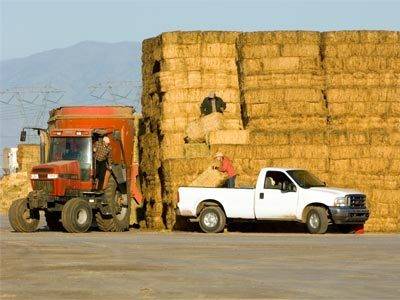

The math is brutal if you ignore it. You want to haul gear, people, or equipment. But how much weight are you actually allowed to strap to the chassis? The answer lies in two numbers you likely already have, tucked away in the driver’s side door jamb or the owner’s manual. You need the Gross Vehicle Weight Rating (GVWR) and the curb weight. Subtract one from the other, and you get your payload capacity.
What the Numbers Actually Mean
Let’s break down the jargon so you aren’t guessing at the pump or the trailer hitch.
Gross Vehicle Weight Rating (GVWR) isn’t just the weight of the metal. It’s the absolute ceiling. It covers the vehicle itself, all operating fluids (gas, oil, coolant, brake fluid), and every pound of cargo, fuel, and human being inside it. The manufacturer sets this limit based on suspension strength, braking capability, and tire ratings. If you exceed it, you’re playing Russian roulette with your brakes and frame.
Curb Weight is the baseline. It’s what the vehicle weighs when it’s empty of passengers and cargo. But it’s not a shell. It includes a full tank of fuel and all necessary fluids to run the machine. This is the weight you see on the window sticker or in the spec sheet.
The Subtraction Equation
Payload capacity is simply the difference between these two figures.
GVWR – Curb Weight = Payload Capacity
Here is the concrete example from the source data. Take a vehicle with a GVWR of 3,500 pounds. Let’s say its curb weight sits at 3,000 pounds.
3,500 pounds (GVWR) – 3,000 pounds (curb weight) = 500 pounds (227 kilograms) of payload capacity
That 500-pound margin is what you have left to fill with passengers, tools, luggage, or aftermarket modifications. Miss a zero? You’re overweight. Overload the suspension? The ride height drops, handling degrades, and tires wear unevenly.
Do Truck Payloads Differ from Cars?
You might think this logic applies only to trucks. It doesn’t. But the stakes change depending on what you’re driving.
A sedan with a 3,000-pound GVWR and 2,500-pound curb weight has 500 pounds of payload. Add three adults and a suitcase. You’re right at the limit. Now swap that sedan for a mid-size truck. The truck likely has a higher GVWR, but also a significantly higher curb weight due to larger frames and beefier components. The percentage of usable payload often shrinks as the vehicle gets larger and heavier.
Truck Payload Specifics
Trucks present a unique challenge. The “payload” isn’t just stuff in the bed. It’s the weight of everything resting on the rear axle beyond the vehicle’s own empty weight. This includes:
- The Bed Cap: If you add a camper shell or cap, that counts.
- The Load: Furniture, tools, livestock, gravel.
- The Passengers: Everyone in the cab adds to the rear axle load.
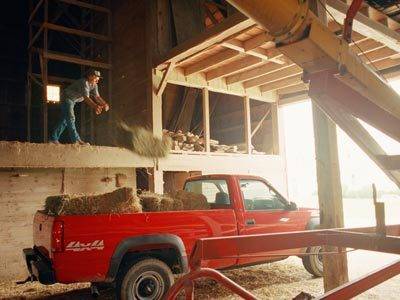
Payload isn’t just weight. It’s a specific limit that changes drastically depending on the vehicle in question. You wouldn’t haul half a sheet of plywood for a home renovation inside a compact station wagon. Conversely, you definitely don’t need a Class 8 semi to transport a few bags of dog food and groceries.
The difference comes down to what you are actually carrying. In the trucking world, payload typically involves heavier, denser cargo. To understand the limits, you have to look at how the industry defines these vehicles.
Understanding GVWR and Weight Classes
The U.S. government doesn’t leave truck classification to guesswork. They use the Gross Vehicle Weight Rating (GVWR) as the primary metric. This is the maximum operating weight mandated by the manufacturer, including the vehicle itself, passengers, fuel, and cargo.
These ratings fall into eight distinct classes. It’s not just about tonnage; it’s about regulatory categorization. If you know which class your truck belongs to, you immediately know the ceiling for what you can legally and safely haul.
| Weight Class | Maximum GVWR |
|---|---|
| Class 1 | 6,000 lbs (2,722 kg) |
| Class 2 | 10,000 lbs (4,536 kg) |
| Class 3 | 14,000 lbs (6,350 kg) |
| Class 4 | 16,000 lbs (7,258 kg) |
| Class 5 | 19,500 lbs (8,845 kg) |
| Class 6 | 26,000 lbs (11,793 kg) |
| Class 7 | 33,000 lbs (14,969 kg) |
| Class 8 | > 33,000 lbs (> 14,969 kg) |
“Knowing where your truck falls within these categories will make it easier for you to determine how much payload you can afford to carry during your trips.”
Light, Medium, and Heavy Duty Breakdown
While the eight-class system provides granular detail, the U.S. Department of Transportation (DOT) simplifies things into three broader buckets. This distinction matters for licensing, insurance, and maintenance expectations.
Light-duty trucks encompass Class 1 and Class 2. These are the pickups and vans most consumers interact with. A standard half-ton pickup often sits right at the upper edge of Class 2.
Medium-duty trucks cover Classes 3 through 5. This is where things get interesting for commercial use. You’ll find cutaway vans, box trucks, and larger shuttle buses here. The jump from Class 2 to Class 3 requires a significant leap in frame strength and suspension capability.
Heavy-duty trucks include Class 6 and above. Once you cross into Class 6, you are dealing with large delivery trucks, tow trucks, and the beginning of the heavy-haul sector. Class 7 and Class 8 are the long-haul rigs, dump trucks, and concrete mixers
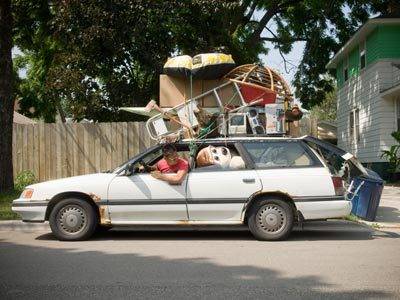
You assume an SUV is a weight-lifting beast compared to a sedan. That assumption is usually right, but the math gets tricky fast.
Most car drivers ignore payload. Truck drivers don’t. Why? Because a truck’s job is hauling. A car’s job is moving people. But when you pack a family into a sedan for a cross-country trip, you’re flirting with limits. You don’t usually ask, “Do we have the necessary payload?” You just buckle up. The danger is subtle. Heavy items fit. Too heavy items might not fit at all. But the total count matters.
Passengers are cargo. Every empty seat is a loaded bank account. Manufacturers use a standard 150-pound figure per person. Sixty-eight kilograms if you prefer metric. It’s a conservative baseline. Real adults often weigh more. Kids weigh less. But the system doesn’t care.
Let’s look at the back seat. It’s built for three. Empty, that’s 450 pounds of unused capacity. Two hundred and four kilograms. You can fill that void with luggage, gear, or spare tires. Once you hit that number, things get shaky. Not in a dramatic, crash-worthy way. Just in a handling, brake, and suspension way. Your center of gravity shifts. Your ride height drops. Your stopping distance increases.
Now, enter the SUV.
SUV Payload Calculations
An SUV carries far more weight than a car. That’s the selling point. But it’s not infinite.
The difference lies in the frame. Trucks use body-on-frame construction. It’s built for torque and load. Unibody crossovers and SUVs share DNA with cars. They’re lighter. They’re nimble. They handle like cars. But they still have payload limits.
Here’s where the confusion starts. People see “Max Towing Capacity” and assume “Max Payload.” They’re different numbers. The Gross Vehicle Weight Rating (GVWR) is the ceiling. It includes the vehicle itself, fluids, passengers, cargo, and the tongue weight of any towed trailer.
Subtract the curb weight. Subtract the driver and fuel. What’s left? That’s your payload.
For a mid-size SUV, that number might be 1,000 pounds. Four hundred and fifty-four kilograms. Sounds like a lot. Try filling it.
Five adults. That’s 750 pounds. Gone.
You have 250 pounds left for luggage.
Add a roof rack. Add a bike carrier. Add the spare tire you forgot you needed.
You’re over.
Towing changes the equation entirely. When you attach a trailer, the tongue weight counts against your payload. A 5,000-pound trailer might push 500 pounds onto your hitch. That’s half your remaining capacity gone before you even pack a bag.
Why Payload Matters More Than You Think
It’s not just about legality. It’s about physics.
Overloading an SUV affects braking. It affects steering response. It wears out tires faster. It can void your warranty if you push beyond engineered limits. Some manufacturers offer heavy-duty suspension packages. They raise the GVWR. They cost extra. They’re worth it if you tow often.
If you’re planning a trip, check the door
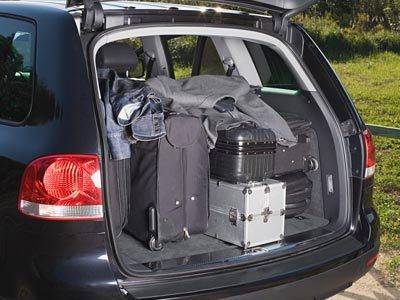
The romantic idea of the SUV is a hybrid beast. You want the hauling prowess of a pickup with the plush interior of a sedan. It’s a marketing dream. Reality? It’s a compromise. An SUV’s payload sits squarely between a light-duty truck and a standard passenger car. You can usually haul more than you would in a Civic, sure. Fold down the rear seats, and you’ve got a cavernous, flat floor ready for bulkier gear. Heavy-duty equipment fits better here than in a crossover with a trunk that barely accepts a weekend bag.
But there are hard limits.
Pickups have beds. You can stack pallets high. SUVs have roofs. You are bounded by metal and glass. More critically, treating an SUV like a work truck is a recipe for disaster. The center of gravity is already high. Stack it with cargo, and you turn a utility vehicle into a potential rollover hazard. The perception of all-terrain capability often masks the physics at play. Overloading an SUV doesn’t just strain the suspension. It compromises stability.
Manufacturers heard the complaints. Rollover fears drove the adoption of electronic stability control as a standard safety feature rather than a luxury add-on. The government stepped in too. Since September 2004, the National Highway Traffic Safety Administration (NHTSA) has mandated a specific label. You’ll find it on the door jamb of any vehicle with a Gross Vehicle Weight Rating (GVWR) under 10,000 pounds. That label lists the maximum combined weight of all occupants and cargo. Read it. Ignore it at your peril.
“The center of gravity on an SUV is typically much higher than a car’s, making rollover significantly more likely when overloaded.”
But what if the label isn’t enough? What if you have a specific job that requires pushing past the factory limits? Can you legally or mechanically increase that payload capacity? The answer involves modifications, upgrades, and a lot of careful calculation.
When Payload Isn’t Enough: The Towing Package Reality
You know the numbers. You’ve checked the sticker. The payload capacity on your door jamb is a hard limit, not a suggestion. But what happens when your gear, your passengers, and your pet all push you to the edge? Or worse, what if you’re eyeing a rig that just doesn’t have the oomph for the load you’re hauling? You don’t just add weight. You upgrade the machine.
Manufacturers know you want to drag more than the stock setup allows. That’s why they bundle towing packages. These aren’t just marketing fluff. They are engineering solutions designed to increase the performance of the tow vehicle and provide the necessary tools for safe hauling.
What’s actually in the box? It varies by brand, but the core components are usually consistent. You’ll typically get a factory-installed trailer wiring harness. No more cutting into your taillight assemblies. You get a heavy-duty hitch receiver. And safety chains. But the real meat is under the hood and in the chassis.
“A truck with a towing package might come with a trailer wiring harness, a heavy-duty hitch and safety chains. The manufacturer might also install a bigger engine, stronger brakes and a better cooling system for overall increased performance.”
Think about that cooling system. Standard radiators can’t handle the thermal load of pulling 5,000 pounds up a mountain pass. Towing packages often swap in heavy-duty radiators or transmission coolers. They might up the ante with stronger brakes. Stop distance matters when you’re moving mass. It’s not just about going. It’s about stopping.
The Legal and Safety Line
Here is the hard truth: overloading a vehicle with too much payload is a dangerous situation. It’s not a minor infraction. It’s a liability.
Overloading harms you. It harms your passengers. It harms the driver in the car next to you. Your suspension bottoms out. Your tires overheat. Your brakes fade. You lose control.
If a police officer pulls you over and sees your suspension sagging or your tires smoking, they can ticket you for unsafely loading a vehicle. Nobody enjoys that ticket. Nobody enjoys the fine. But the cost of the ticket is nothing compared to the cost of an accident.
Know your limits. Respect them. If you need to carry more, don’t break the law. Upgrade the vehicle’s capability properly.
Payload Data by Make: The Raw Numbers
Depending on the make and model year of your car or truck, you may be able to find your vehicle’s payload on the following chart. Browse by Make.
- Acura
- Audi
- BMW
- Buick
- Cadillac
- Chevrolet
- Chrysler
- Dodge
- Ford
- GMC
- Honda
- HUMMER
- Hyundai
- Infiniti
- Isuzu
- Jaguar
- Jeep
- Kia
- Land Rover
- Lexus
- Lincoln
- Mazda
- Mercedes-Benz
- Mercury
- MINI
- Mitsubishi
- Nissan
- Pontiac
- Porsche
- Saab
- Saturn
- Scion
- smart
- Subaru
- Suzuki
- Toyota
- Volkswagen
- Volvo
Acura Payload Specs
The data below reflects maximum payload in pounds. Gaps indicate data not available or not applicable for that specific trim/year combination.
| Year | Model | Max Payload (lbs) |
|---|---|---|
| 2006 | MDX | – |
| RL | – | |
| RSX | – | |
| TL | – | |
| TSX | – | |
| 2007 | MDX | 1158 |
| RL | – | |
| RDX | 870 | |
| TL | – | |
| TSX | 850 | |
| 2008 | MDX | 1158 |
| RL | – | |
| RSX | 870 | |
| TL | – | |
| TSX | 850 | |
| 2009 | MDX | 1158 |
| RL | – | |
| RSX | 870 | |
| TSX | 850 |
More Acura Specs:
– Acura GVWR
– Acura GAWR
– Acura GCWR
– Acura Cargo Carrying Capacity
– Acura Curb Weight
– Acura Towing Capacity
Audi Payload Specs
Audi’s numbers tend to be tighter on the performance sedans, with the larger SUVs carrying more.
| Year | Model | Max Payload (lbs) |
|---|---|---|
| 2006 | A3 | – |
| A4 | – | |
| A6 | – | |
| A8 | 1213 | |
| S4 | – | |
| TT | 728 | |
| 2007 | A3 | – |
| A4 | – | |
| A6 | – | |
| A8 | – | |
| Q7 | – | |
| RS4 | – | |
| S4 | – | |
| S6 | – | |
| S8 | 1213 | |
| 2008 | A3 | – |
| A4 | – | |
| A5 | – | |
| A6 | – | |
| A8 | – | |
| Q7 | – | |
| R8 | – | |
| RS4 | – | |
| S4 | – | |
| S5 | – | |
| S6 | – | |
| S8 | – | |
| TT | – | |
| 2009 | A3 | – |
| A4 | – | |
| A5 | – | |
| A8 | – | |
| Q7 | – | |
| R8 | – | |
| S4 | – | |
| S5 | – | |
| S8 | – | |
| TT | – |
More Audi Specs:
– Audi GVWR
– Audi GAWR
– Audi GCWR
– Audi Cargo Carrying Capacity
– Audi Curb Weight
– Audi Towing Capacity
BMW Payload Specs
BMW’s payload numbers are spread across their lineup. The X5 and X6 tend to have higher capacities, while the Z4 sports car is limited significantly.
| Year | Model | Max Payload (lbs) |
|---|---|---|
| 2006 | 325 | 1058 |
| 330 | 1058 | |
| 525 | 1102 | |
| 5 |
Chevy’s Heavy Lifters
Look at the numbers for the 2006 Chevy Silverado 3500 HD. It can handle 5,169 pounds of payload. That is serious weight. Compare that to the 2009 Traverse, which isn’t even listed because the payload capacity varies too wildly depending on how many seats you have or if you have the V6 or V8. You have to check the sticker.
The Avalanche tells a story of shifting priorities. In 2006, the 1500 model carried 1,387 lbs. By 2007, that dropped to 1,258 lbs. Then it bounced back to 1,444 lbs in 2008. Why? Probably because they changed the frame or the engine options. The 2500 version of the Avalanche kept things steady around 2,000 lbs until it disappeared from the list.
If you are looking for a workhorse, the Express van is the consistent one. From 2006 through 2009, the Express 1500 holds 2,306 lbs. The 2500 jumps to 3,262 lbs in 2009. The 3500 hits 4,147 lbs. It’s a bucket. Throw stuff in it.
The Tahoe and Suburban are interesting. The Tahoe 1500 dropped from 1,522 lbs in 2006 to 1,835 lbs in 2007 and stayed there. The Suburban 2500, however, lost capacity. 2006 had it at 2,828 lbs. By 2009, it was down to 2,561 lbs. Heavier engines? More safety gear? The curb weight went up, so payload went down. That’s the trade-off.
The HHR is small. 900 lbs. Whether it’s the panel version or the hatchback, you’re not hauling pallets of concrete in that. The Colorado sits around 1,250 to 1,500 lbs depending on the year. Not bad for a midsize truck.
The Silverado 1500 Hybrid is the outlier. 2006 had it at 1,162 lbs. By 2008, the hybrid was gone from the 1500 list. They likely realized the battery weight killed the payload utility for most buyers. The classic Silverado 1500 HD held steady at 3,129 lbs for years. That’s a solid number.
Chrysler and Dodge Durability
Chrysler didn’t list many payloads for the 2006 models. The 300? Nothing. The PT Cruiser? Nothing. You had to guess. Then in 2007, they started listing things. The PT Cruiser jumped to 1,907 lbs. The Town & Country minivan sat at 1,200 lbs. The Aspen SUV held 1,600 lbs.
The Aspen Hybrid dropped that capacity to 1,500 lbs in 2009. Batteries again. You gain MPG, you lose carrying power. It’s physics.
Dodge was more aggressive with the numbers. The Ram 3500 in 2006 carried 4,660 lbs. By 2009, that number seemed to confuse the data, showing 3,560 lbs. That’s a huge drop. Maybe they changed the cab configuration or the axle ratio. The Ram 2500 was more consistent, hovering around 3,100 to 3,260 lbs.
The Sprinter vans are weird. The Sprinter Wagon 2500 had 4,824 lbs of payload in 2006. Then in 2007, it dropped to 3,074 lbs. A massive loss. Then it stayed there. The Sprinter Van 3500 gained capacity over time. 3,950 lbs in 2006 to 4,530 lbs in 2009. They made the van stronger or lighter. Or both.
The Durango held steady at 1,750 lbs for the V8 models. The Hybrid version dropped to 1,500 lbs in 2009. The Dakota was consistent at 1,630 lbs from 2008 onward. Before that, it was higher.
Ford’s Work Van Dominance
Ford’s E-Series vans are beasts. The E 350 Super Duty in 2006 carried 4,165 lbs. In 2007, it hit 4,200 lbs. By 2009, it was down slightly to 4,060 lbs. Still, that’s nearly two tons. If you need to move equipment, this is the truck.
The F-Series trucks tell a clearer story of the industry shift. The F 150 in 2006 carried 1,640 lbs. It stayed at 1,650 lbs for a few years. Then in 2009, the number jumped to 3,030 lbs. What happened? They probably switched to a higher trim or a specific package. Or maybe the 2009 data includes the new aluminum body (though that was later). Wait, the 2009 F 150 showing 3,030 lbs looks like an error or a specific heavy-duty package. The standard 2009 F 150 usually carries less. The F 250 in 2008 was 3,030 lbs. The F 350 was 3,900 lbs in 2008 and 2009. The F 450 is a different animal entirely, starting at 6,120 lbs in 2008 and dropping to 3,900 lbs in 2009? No, that 2009 F 450 number is likely a typo in the source or a specific configuration. Generally, the F 450 is a super-duty rig with massive payload.
The Escape Hybrid is consistent. 1,040 lbs from 2006 to 2009. The non-hybrid Escape is lower at 960 lbs. They made the hybrid carry more? That’s rare. Usually, it’s the other way around. Maybe the non-hybrid had more options available.
The Explorer held around 1,400 to 1,500 lbs. The Expedition EL dropped capacity compared to the standard Expedition. 1,697 lbs vs 1,822 lbs. The extra length didn’t help the payload.
GMC’s Twin Strategy
GMC does what Chevy does. They share platforms. The Sierra 1500 in 2006 carried 1,889 lbs. In 2007, it jumped to 1,952 lbs. Then down to 1,842 lbs in 2009. The fluctuations match the Chevy Silverado exactly. It’s the same truck, just different badges.
The Sierra 3500 is the heavy hitter. 2006 had it at 4,658 lbs. By 2009, it hit 4,812 lbs. That’s a gain. They reinforced the frame. The Sierra 2500 hovered around 3,900 lbs.
The Canyon is the midsize option. 1,547 lbs for years. Then in 2009, it dropped to 1,422 lbs. Why? Maybe the new generation launched? The second-gen Canyon started later, but the transition period might have caused this drop.
The Yukon and Yukon Hybrid are identical in payload. 1,830 lbs. The Yukon XL (extended) is lower. 1,592 lbs in 2009. The longer wheelbase adds weight, subtracting from payload. It’s a simple equation.
The Savana vans are the GMC equivalent of the Chevy Express. 2,306 lbs for the 1500. 3,262 lbs for the 2500. 4,147 lbs for the 3500. These numbers haven’t changed much from 2006 to 2009. Stability. Reliability. Boring, but effective.
The Hybrid Trade-off
Look at the trend across all brands. The hybrids.
Chevy Tahoe Hybrid: 1,830 lbs. Non-hybrid Tahoe: 1,835 lbs. A 5 lb difference. Negligible.
Ford Escape Hybrid: 1,040 lbs. Non-hybrid: 960 lbs. The hybrid carries more here.
GMC Yukon Hybrid: 1,830 lbs. Non-hybrid: 1,830 lbs. Same.
It’s not always a penalty. Sometimes the hybrid system adds structure or weight distribution that helps. But generally, the battery pack eats into the payload. The Aspen Hybrid is the clear loser. 1,600 lbs for the V8, 1,500 lbs for the hybrid. That’s 100 lbs of batteries sitting in your trunk.
If you are buying used, check the year
Honda Payload Capabilities (2006–2009)
The Honda lineup from this era tells a story of utility meeting efficiency. If you are looking for Honda payload capacity, the numbers vary wildly depending on whether you are hauling people or cargo.
In 2006, the Ridgeline was the king of the pack with a 1549 lbs max payload. The Odyssey sat comfortably behind it at 1349 lbs. The Insight? A mere 400 lbs. Most sedans like the Accord and Civic didn’t list specific payload figures in the standard data, suggesting they were lower or heavily dependent on trim.
By 2007, the Civic jumped to a usable 385 lbs, and the Element held steady at 675 lbs. The Pilot entered the fray with 1322 lbs. The Ridgeline and Odyssey remained steadfast at their previous highs.
2008 saw little change. The Civic, Element, Odyssey, Pilot, and Ridgeline kept their numbers. It was a year of stability.
2009 brought a shift. The Civic lost its listed payload figure. The Odyssey and Pilot held at 1349 lbs and 1322 lbs respectively. The S2000, Element, and CR-V dropped out of the specific listings, likely due to lower utility focus or trim variance.
- Honda GVWR
- Honda GAWR
- Honda GCWR
- Honda Cargo Carrying Capacity
- Honda Curb Weight
- Honda Towing Capacity
HUMMER Payload Capacity (2006–2009)
HUMMER didn’t play by the same rules. These trucks were built to eat weight.
The 2006 H1 Alpha was a beast, offering 3087 lbs of payload. The H3 was more modest at 1150 lbs. The H2? Data missing for 2006 and 2007.
When the H2 data finally appeared in 2008, it jumped to 2200 lbs. The H3 stayed at 1150 lbs through 2008, then ticked up to 1312 lbs in 2009. The H3T joined the party in 2009 with 1090 lbs.
- HUMMER GVWR
- HUMMER GAWR
- HUMMER GCWR
- HUMMER Cargo Carrying Capacity
- HUMMER Curb Weight
- HUMMER Towing Capacity
Hyundai Payload Specs (2006–2009)
Hyundai’s payload data for this period is notably sparse in the available records. For the Accent, Azera, Elantra, Santa Fe, Sonata, Tiburon, and Tucson across 2006–2008, no max payload figures are listed. The same is true for the Entourage and Veracruz in 2007–2008.
The Genesis arrived in 2009, but again, payload figures are absent from the standard list. This suggests either very low payloads for the sedans or a lack of standardized reporting for these specific trims in the source data.
- Hyundai GVWR
- Hyundai GAWR
- Hyundai GCWR
- Hyundai Cargo Carrying Capacity
- Hyundai Curb Weight
- Hyundai Towing Capacity
Infiniti Payload Limits (2006–2009)
Infiniti leaned into luxury SUVs, and the payload reflects that.
The 2006 QX56 led the charge with 1440 lbs. The FX35 offered 1183 lbs, while the FX45 dropped to 1091 lbs. The G35 was lighter at 886 lbs.
2007 saw the QX56 drop out of listings, while the FX35 and FX45 held their ground. The G35, M35, and M45 all disappeared from the payload charts.
2008 introduced the G37 with 1040 lbs. The M35 and M45 returned with 996 lbs and 1010 lbs respectively. The QX56 bounced back with a healthy 1553 lbs.
2009 brought the FX 35 to 1213 lbs and the FX 50 to 1185 lbs. The QX56 remained at 1553 lbs.
- Infiniti GVWR
- Infiniti GAWR
- Infiniti GCWR
- Infiniti Cargo Carrying Capacity
- Infiniti Curb Weight
- Infiniti Towing Capacity
Isuzu Payload Data (2006–2008)
Isuzu kept it simple. The Ascender hovered around 1133 lbs from 2006 through 2008.
The i-series trucks offered more utility. The i-280 (2006) and i-290 (2007–2008) started at 1532 lbs, dipping slightly to 1512 lbs in 2008. The i-350 offered 1190 lbs in 2006, rising to 1516 lbs in 2007, then dropping to 1260 lbs in 2008.
- Isuzu GVWR
- Isuzu GAWR
- Isuzu GCWR
- Isuzu Cargo Carrying Capacity
- Isuzu Curb Weight
- Isuzu Towing Capacity
Jaguar Payload Capacity (2006–2009)
Jaguars are heavy luxury vehicles, so their payloads tend to be lower than trucks.
The X-Type held steady at 1058 lbs from 2006 to 2008. The S-Type, XJ8, XJR, and XK8 had no listed payloads in 2006–2007.
2008 brought the XK and XKR into the fold. The XK offered 815 lbs, while the XKR offered 772 lbs.
2009 saw the XF arrive without a listed payload. The XKR stayed at 772 lbs, and the XK Coupe held at 815 lbs. The XJ8 dropped out of the list.
- Jaguar GVWR
- Jaguar GAWR
- Jaguar GCWR
- Jaguar Cargo Carrying Capacity
- Jaguar Curb Weight
- Jaguar Towing Capacity
Jeep Payload Ratings (2006–2009)
Jeep’s ruggedness shows up in the numbers.
The 2006 Commander offered 1620 lbs. The Grand Cherokee sat at 1100 lbs, Liberty at 1150 lbs, and Wrangler at 800 lbs.
2007 brought the Compass (925 lbs ) and Patriot (no data). The Commander dropped to 1310 lbs. The Grand Cherokee fell to 1050 lbs. The Wrangler rose to 1000 lbs.
2008 saw the Commander at 1300 lbs, Grand Cherokee at 1180 lbs, Liberty at 1150 lbs, Patriot at 925 lbs, and Wrangler/Unlimited both at 1000 lbs.
2009 kept the Commander, Compass, Grand Cherokee, Liberty, Patriot, and Wrangler steady. The Wrangler Unlimited jumped to 1150 lbs.
- Jeep GVWR
- Jeep GAWR
- Jeep GCWR
- Jeep Cargo Carrying Capacity
- Jeep Curb Weight
- Jeep Towing Capacity
Kia Payload Specs (2006–2009)
Kia offered a mix of compact cars and crossovers.
The 2006 Rio offered 1273 lbs, Rio 5 1200 lbs, Sorento 1202 lbs, and Sportage 1195 lbs.
2007 saw the Sorento rise to 1318 lbs, Sportage to 1289 lbs, and Sedona debut with 1532 lbs. The Rio and Rio 5 held steady.
2008 kept the Rio, Rio 5, Sedona, and Sportage at their 2007 levels. The Sorento dipped to **1277 lbs
Mazda Payload Capacity by Year
If you’re hauling gear in a Mazda, knowing the exact max payload numbers is the difference between a smooth ride and a sagging suspension. The data below covers models from 2006 through 2009. Note that Mazda3 models during this period are listed without specific payload figures in the source data, likely due to trim variations or regional differences.
2006 Mazda Models
The B-series trucks dominated the heavy lifting here. The B3000 handled up to 1,680 lbs. The B2300 and B4000 were capped at 1,260 lbs. The MX-5, being a lightweight roadster, had a strict limit of 637 lbs. The RX-8 could carry 779 lbs, while the larger MPV managed 1,506 lbs. The Tribute and Mazda6 sat around the 988 to 1,319 lbs mark. The Mazda5 minivan handled 1,239 lbs. The MazdaSpeed6, with its heavy turbocharged drivetrain, dropped to 963 lbs.
2007 Mazda Models
The CX-9 entered the fray with 1,493 lbs of capacity. The CX-7 wasn’t listed with a specific number. The B-series trucks held steady at their 2006 limits. The Mazda6 payload dropped slightly to 1,080 lbs. The RX-8 saw a minor decrease to 765 lbs. The MX-5 stayed at 637 lbs. The Mazda5 remained at 1,239 lbs. The MazdaSpeed3 wasn’t assigned a figure.
2008 Mazda Models
The CX-9 and CX-7 lacked specific payload data for this year. The B2300 and B4000 continued at 1,260 lbs. The Tribute Hybrid actually offered slightly more capacity than the standard Tribute, at 1,083 lbs versus 1,057 lbs. The Mazda6 was at 1,087 lbs. The Mazda5 dropped to 1,191 lbs. The RX-8 stayed at 765 lbs. The MX-5 lost a pound, coming in at 633 lbs.
2009 Mazda Models
The Tribute wasn’t listed. The B2300 dropped to 1,200 lbs, while the B4000 held at 1,260 lbs. The CX-7, CX-9, Mazda3, and MazdaSpeed3 had no figures listed. The Mazda6 was at 1,082 lbs. The Mazda5 remained at 1,191 lbs. The RX-8 decreased to 754 lbs.
Mercedes-Benz Payload Capacity by Year
Mercedes-Benz models vary wildly in their max payload ratings. Luxury sedans like the C-Class and S-Class often lack listed figures in this dataset, whereas the rugged G-Wagon and large SUVs carry significantly more weight.
2006 Mercedes-Benz Models
Only the SUVs and R-Class had listed payloads. The ML350 handled 1,616 lbs, while the ML500 was rated for 1,496 lbs. The R-Class was the heavy hitter at 2,000 lbs. Other sedans and coupes like the C-Class, CL-Class, CLK, CLS, E-Class, S-Class, SL, SLK, and SLR McLaren had no specific payload numbers provided.
2007 Mercedes-Benz Models
The E-Class entered the list with 1,157 lbs. The G500 could carry 1,289 lbs. The GL models were mixed: the GL320 handled 1,086 lbs, and the GL450 managed 1,620 lbs. The ML range saw updates: the ML350 rose to 1,635 lbs, the ML320 was at 1,422 lbs, the ML500 hit 1,620 lbs, and the high-performance ML63 AMG was limited to 1,257 lbs. The R-Class dropped to 1,635 lbs. The SLR McLaren could only carry 626 lbs.
2008 Mercedes-Benz Models
The E-Class stayed at 1,157 lbs. The G500 jumped significantly to 1,764 lbs. The G55 was rated for 1,433 lbs. The GL450 and GL550 both handled 1,620 lbs. The GL320 was not listed. The ML320 was at 1,422 lbs. The ML350 remained at 1,635 lbs. The ML550 was at 1,620 lbs. The ML63 AMG had no figure. The R-Class was not listed. The SLR McLaren dropped drastically to 342 lbs.
2009 Mercedes-Benz Models
The E-Class held steady at 1,157 lbs. The GL450 and GL550 stayed at 1,620 lbs. The ML350 was at 1,635 lbs. The ML320 was at 1,422 lbs. The ML550 was at 1,620 lbs. The ML63 AMG decreased to 1,300 lbs. The R-Class dropped to 1,365 lbs. The C-Class, CL-Class, CLK, CLS, S-Class, SL, and SLK had no figures.
Mercury Payload Capacity by Year
As a subsidiary of Ford, Mercury shares platforms with Ford and Lincoln, which impacts their max payload ratings. The Mountaineer was the primary hauler, while the Mariner and Monterey handled moderate loads.
2006 Mercury Models
The Mountaineer could carry 1,549 lbs. The Monterey handled 1,320 lbs. The Mariner managed 1,075 lbs, while the Mariner Hybrid was lighter at 920 lbs. The Grand Marquis, Milan, Montego, and Sable (not listed for 2006) had no figures.
2007 Mercury Models
The Mountaineer dropped slightly to 1,443 lbs. The Monterey held at 1,320 lbs. The Mariner stayed at 1,075 lbs. The Mariner Hybrid remained at 920 lbs. The Grand Marquis, Milan, Montego, and Sable had no data.
2008 Mercury Models
The Mountaineer held at 1,443 lbs. The Mariner dropped to 1,059 lbs. The Mariner Hybrid stayed at 920 lbs. The Sable wasn’t listed. The Grand Marquis, Milan, and Montego had no figures.
2009 Mercury Models
The Mountaineer remained at 1,443 lbs. The Mariner held at 1,059 lbs. The Mariner Hybrid stayed at 920 lbs. The Sable wasn’t listed. The Grand Marquis, Milan, and Montego had no data.
MINI Payload Capacity by Year
MINI cars are small, which means their max payload limits are tight. You need to account for driver weight, passengers, and fuel when calculating how much cargo you can actually load.
2006 MINI Models
The Cooper Convertible could carry 771 lbs. The Cooper Hardtop managed 816 lbs.
2007 MINI Models
The Cooper Convertible held at 771 lbs. The Cooper Hardtop stayed at 816 lbs.
2008 MINI Models
The Cooper Clubman entered the lineup with 816 lbs. The Cooper Convertible remained at 771 lbs. The Cooper Hardtop stayed at 816 lbs.
2009 MINI Models
The John Cooper Works Hardtop handled 816 lbs. The John Cooper Works Clubman also managed 816 lbs.
Mitsubishi Payload Capacity by Year
Mitsubishi offered a mix of crossovers, sedans, and trucks. The Raider pickup and Outlander SUV generally offered higher max payload ratings than the Eclipse or Galant sedans.
2006 Mitsubishi Models
The Raider was the king of payload at 1,590 lbs. The Montero handled 1,165 lbs. The Endeavor carried 1,055 lbs. The Lancer managed 981 lbs. The Galant was at 969 lbs. The Outlander handled 904 lbs. The Eclipse could carry
Saturn Payload Specs (2006-2009)
Saturn’s final years were marked by a shrinking lineup, but the payload capacity data for what remained is specific. If you were looking at the 2006 Saturn Relay, you were looking at a minivan with a max payload of 1350 lbs. The VUE from the same year could handle 1331 lbs, while the Ion sedan offered no listed payload capacity.
By 2007, Saturn introduced the Aura (sedan and hybrid) and the Outlook (a rebadged Chevy Captiva Sport). The Outlook was the hauler here, boasting a max payload of 1678 lbs. The VUE Hybrid was surprisingly robust, rated for 1511 lbs, whereas the standard VUE sat at 1331 lbs. The Aura sedan was rated for 1009 lbs. The Sky roadster and Aura Hybrid had no specific payload data listed for this year.
2008 saw a drop in capacity for some models. The VUE payload plummeted to 1000 lbs, and the VUE Hybrid dropped to 1111 lbs. The Outlook held steady at 1678 lbs. The Astra hatchback was rated for 893 lbs. The Sky remained without a listed payload figure.
In 2009, the Outlook gained a slight bump to 1709 lbs. The VUE and VUE Hybrid stayed at 1000 lbs and 1111 lbs respectively. The Astra was discontinued or had no data listed. The Aura continued its run with 1009 lbs until Saturn ceased operations.
“Payload is not just cargo. It’s people, pets, and gear combined.”
Scion Payload Specs (2006-2009)
Scion was all about youth and customization, but their payload numbers are surprisingly sparse in public records. For the tC coupe, xA hatchback, xB boxy wagon, and xD small hatchback, no maximum payload figures are consistently listed for the 2006-2009 model years.
This absence of data is common for subcompact platforms where manufacturers prioritize curb weight and GVWR without breaking down payload in consumer-facing literature. If you’re planning to heavily modify a Scion tC or stack gear in an xB, you’ll need to calculate payload manually using the door jamb sticker (GVWR minus Curb Weight). The lack of standardized online data doesn’t mean they can’t carry a load; it just means you have to do the math yourself.
smart Payload Specs (2008)
The smart fortwo is an extreme case study in efficiency. For the 2008 model, the max payload is a tight 463 lbs.
That number includes the driver, any passengers, and all cargo. It’s not a margin for error. Put two adults and a suitcase in, and you’re flirting with the limit. The fortwo is built for urban micro-mobility, not utility. If you need to move more than a few bags, this car isn’t the tool for the job. The low payload reflects the tiny chassis and the trade-off for its exceptional parking footprint.
Subaru Payload Specs (2006-2009)
Subaru’s AWD reputation is built on reliability, but payload varies wildly by body style. In 2006, the B9 Tribeca was the heavy hitter at 1560 lbs. The Legacy Wagon could take 1300 lbs, and the Outback sat at 1245 lbs. The Baja had a modest 1070 lbs, while the Impreza WRX STI was surprisingly low at 794 lbs —likely due to heavy brakes, turbo components, and reinforced suspension.
2007 brought changes. The B9 Tribeca held its 1560 lbs. The Legacy Sedan dropped to 1055 lbs, and the Legacy Wagon fell slightly to 1290 lbs. The Outback saw a significant drop to 995 lbs. The Forester dropped to 1010 lbs.
In 2008, the Tribeca payload crashed to 660 lbs, which seems like an anomaly or a specific trim limitation. The Impreza WRX STI recovered to 1080 lbs. The Outback improved to 1085 lbs. The Legacy remained at 1055 lbs.
2009 saw the Forester jump to 1230 lbs, making it one of the most capable small SUVs for cargo. The Tribeca stayed at 660 lbs. The Legacy and Outback were stable at 1055 lbs and 1078 lbs respectively.
“The WRX STI’s low payload is a reminder that performance parts eat into carrying capacity.”
Suzuki Payload Specs (2006-2009)
Suzuki’s North American exit began quietly, but their SUVs had some serious numbers. The XL7 was a workhorse. In 2006, it could carry 1168 lbs. By 2007, that number skyrocketed to 1626 lbs. It stayed at 1626 lbs through 2008.
The Grand Vitara was consistent. 2006 : 1175 lbs. 2008 : 1178 lbs. The Aerio and Forenza sedans/hatchbacks had mixed availability. In 2006, the Forenza carried 981 lbs. In 2008, it dropped to 926 lbs. The Reno also dropped from 941 lbs (2006) to 926 lbs (2008).
The SX4 arrived in 2008 with a 893 lbs payload. The Equator (a rebadged Nissan Murano) appeared in 2009 but had no payload data listed. The Verona had no data. Suzuki’s exit left many of these specs undocumented for later years.
Toyota Payload Specs (2006-2009)
Toyota dominates the payload conversation with trucks and large SUVs. In 2006, the Tundra could haul 1835 lbs. The Highlander was close behind at 1840 lbs. The Sienna minivan carried 1570 lbs. The Tacoma truck had 1540 lbs. The Sequoia SUV took 1510 lbs.
Hybrids were lighter. The Highlander Hybrid (2006) carried 1605 lbs. The Prius had 1085 lbs.
2007 saw the Tundra drop to 1470 lbs. The Highlander increased slightly to 1844 lbs. The Highlander Hybrid stayed at 1605 lbs. The Sienna dropped to 1420 lbs. The FJ Cruiser entered with 1280 lbs. The Prius payload dropped to 863 lbs.
2008 kept the Highlander at 1821 lbs. The Highlander Hybrid dropped to 1427 lbs. The Land Cruiser increased to 1585 lbs. The Tundra remained at 1470 lbs. The Sienna held at 1420 lbs.
2009 saw the Sienna jump to 1513 lbs. The Tacoma returned to 1540 lbs. The FJ Cruiser increased to 1325 lbs. The Corolla payload rose to 1113 lbs. The RAV4 and 4Runner stayed steady at 1130 lbs and 1285 lbs respectively. The Matrix and Prius had no data listed for 2009.
Volkswagen Payload Specs (2006-2009)
VW’s lineup is diverse, from compact hatchbacks to full-size SUVs. In 2006, the Touareg was the payload king at 1400 lbs. The Passat Sedan carried 1140 lbs. The **


