
We’ve all been there. You stand in your driveway with your arms crossed and realize that you underestimated how many shopping bags and cardboard boxes can fit in one trip. This is a universal struggle. You might be able to do something about it, like throwing your backpack in the backseat. Sometimes disaster awaits: milk spills, fruit crumbles and your back screams in protest. The human body has its limits. Just like us, cars don’t always follow these boundaries.
Overloading a vehicle is not just a nuisance; This is dangerous. Pushing your car, truck, or SUV beyond its intended limits not only strains your muscles, but also strains your engine, transmission, suspension, and brakes. You are putting yourself and other drivers on the road at risk. Understanding Vehicle Load Capacity is more than just putting stuff in the back seat. This prevents flat tires and broken brakes.
Payload sounds technical, but it’s simple. This is the total weight added to the curb weight of the vehicle. This includes cargo, fuel and of course people. Passengers are counted as payload. Every time a family of four travels by car, the cargo capacity increases significantly. Ignoring this fact is a common mistake. Drivers often look at the cargo hold and think, “I could fit all that gear,” not realizing that the person behind the wheel eats up a large portion of their pocket money.
So what are the practical limits? How do you know how much weight a particular trailer or daily driver can carry without causing mechanical failure or safety hazards? The answer lies in a few numbers and deductions printed on a sticker printed on the inside of the door frame. Let’s break down the calculation.
Mathematics beyond borders
To determine your vehicle’s true limits, you need to know two important numbers: gross vehicle weight (GVWR) and vehicle weight.
GVWR is the maximum safe weight of the entire vehicle including the vehicle itself, all liquids, passengers and cargo. Set by the manufacturer based on frame, suspension and brake strength. Exceeding this number is like running a marathon with a backpack full of bricks. The leg can survive, but the joints can’t.
Vehicle weight is the weight of the vehicle itself, including all standard equipment, accessories and all fluids (fuel, oil, coolant). However, passengers and cargo * are not included in the price.
This is the basic formula.
Payload capacity = GVWR – vehicle weight
The result is the combined weight of passengers and luggage.
Let’s look at a hypothetical example. Let’s say you have an SUV with a gross weight of 6,000 pounds and a curb weight of 4,500 pounds.
6,000 – 4,500 = £1,500
You have £1,500 to play with. But wait. It does not take into account the driver, passenger or full gas tank. If you have four passengers, each weighing an average of 180 pounds, that’s 720 pounds lighter. Also, it costs around £150 to fill up with petrol. What you need to do now is

You don’t need an engineering degree to determine if you’re overweight. The main thing is that you can find two numbers without calling a mechanic. You need the gross Curb Weight rating (GVWR) and the Curb Weight.
that’s it. Subtract one from the other and you get the margin.
Important numbers
GVWR is a hard limit. This is the maximum permissible weight of a complete vehicle when packed, fueled and ready to drive. This number includes the car’s metals, fluids (oil, coolant, gas), all passengers and all cargo. Manufacturers set this limit. It’s not buried in the dashboard. Look for the sticker on the driver’s side door frame near the door lock. It may also be listed in the owner’s manual or online vehicle database.
Vehicle weight is the weight of the vehicle at rest. There are no passengers. There are no products. Just steel, glass and the fluids needed to run it. This means that full tank of gas and full gas storage tanks are taken into account.
The simplicity of mathematics is brutal.
GVWR minus Curb Weight equals payload.
Let’s look at an example. Consider a vehicle with a gross Curb Weight of 3,500 lb (1,588 kg). Curb weight is 3,000 pounds (1,361 kilograms).
3,500 – 3,000 = 500 pounds (227 kilograms).
You have 500 pounds to play with. This includes passengers, tools and equipment. If your three friends and their golf clubs weigh 450 pounds, you have 50 pounds to spare before suspension failure or brake problems are at risk.
Does the calculation change depending on the vehicle type? No. This formula applies whether you drive a car, an SUV or a pickup truck. The restrictions are just different.
Loading capacity of the truck
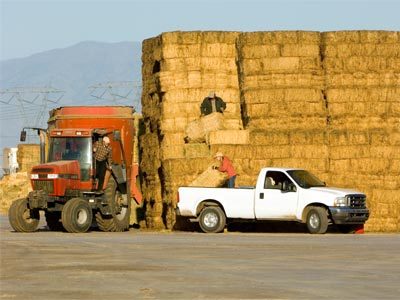
this gets tricky for pick-up trucks. People think that because trucks look sturdy, they can carry anything. They can’t. They have specific limits.
Trucks often lower than you’d think. Manufacturers build these vehicles for towing and utility, not for unlimited cargo space. A half ton truck can only carry 1500-2000 pounds. that’s it. When you add the weight of a driver, toolbox, and gravel, you’re often close to the limit.
Check the sticker on the door frame. GVWRs are listed. Subtract the curb weight. This is mentioned in the manual or online specification. The result is a hard limit. Don’t guess. Don’t assume. Weigh it if necessary.
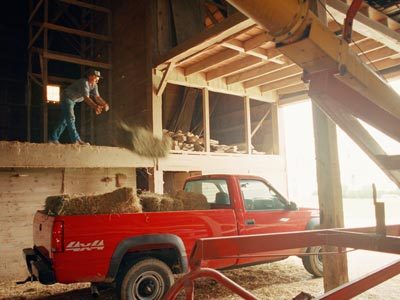
The definition of payload varies greatly depending on whether the cargo is strapping cargo into a sedan or transported in a bed of a pickup. You can’t fit 10 feet of plywood in a compact station wagon. In contrast, you don’t really need a Class 8 semi-trailer to haul a few bags of groceries from the supermarket.
Trucks are typically used to transport heavier and larger goods. To understand these restrictions, you need to understand how the United States classifies these vehicles based on their gross vehicle weight rating (GVWR). This is the maximum operating weight of the vehicle as stated by the manufacturer, including the vehicle itself, passengers, fuel and cargo.
These classifications can be viewed from two perspectives: specific weight classes and broader functional categories. The US government divides the GVWR range into eight different categories.
Weight Class
GVWR
Class 1
6,000 pounds (2,722 kg)
Class 2
10,000 pounds (4,536 kg)
Class 3
14,000 pounds (6,350 kg)
Class 4
16,000 lb (7,258 kg)
Class 5
19,500 lb (8,845 kg)
Class 6
26,000 lb (11,793 kg)
Class 7
33,000 lb (14,969 kg)
Class 8
Anything higher than 33,000 pounds
The US Department of Transportation (DOT) divides these detailed classes into three main categories: Classes 1 and 2 are light trucks. Think of a standard bed of a pickup or work van. Classes 3 through 5 are medium-duty trucks. These are the box trucks and shuttle buses that you see around town. Anything above Class 6 is heavy. These are big rigs and freight haulers.
When you know which bucket your truck lands on, you can see exactly how much weight it can carry without destroying its suspension or violating federal regulations. Trucks are not only judged by what they can carry, but also by what they can carry safely.
On the next page, we look at how much cargo you can carry in your car.
汽车有效载荷
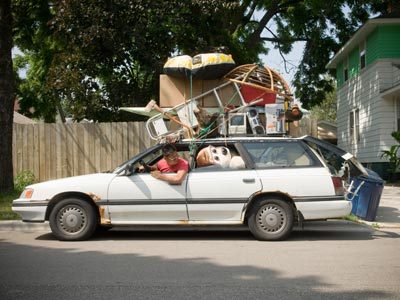
忘记卡车思维。 当您驾驶轿车或掀背车时,有效负载并不是您关注的第一件事。 你把孩子们装上车,把袋子扔进后备箱,然后上路。 谁在乎后悬架是否吱吱作响? 这是一辆家庭用车,而不是一辆主力车。 这种忽视是有逻辑的。 大多数汽车根本没有足够的体积来容纳足够重的东西来实际突破其有效载荷限制。 如果标准汽车的重量足以造成结构性危险,那么它可能根本不适合放在货物区域。
但这并不意味着您应该忽略这些数字。 忽视有效载荷是导致行驶不顺畅和操控性受损的捷径。 一旦你不再将乘客视为普通人,数学就会出人意料地简单。
The Hidden Weight of Passengers
Car manufacturers don’t just tell you the maximum weight of their equipment. The weight of the person is also taken into account. Industry standards assume a weight of 150 pounds (68 kg) per seat. This is the starting point. When you’re planning a trip, an empty slot is basically like a bank account with $150 that you can use to buy luggage, pets, and gear.
Take advantage of our mid-size sedan that can fit three people in the back seat. When the rear is empty, it not only saves space, but also maintains a 450 lb (204 kg) payload. There are three teenagers in the room and half their pocket money is gone before they even touch the bag. This begs the question: “How much weight can a car carry?” Trunk space is rarely the only thing. It is the sum of all the souls and suitcases in the vehicle.
Most car manufacturers allow 150 lb (68 kg) per person per seat. This means that each available seat adds 150 pounds of available payload.
This calculation changes everything when it comes to packaging. You can’t just look at a vehicle’s weight and gross vehicle weight (GVWR) and stop there. You have to subtract the driver, the passengers, and the full tank of fuel. What remains is the true margin of error. In addition to this, there is a danger of the brakes fading, poor cornering and tire breakage. On a Sunday drive, the tire might not break, but you can definitely feel the chassis fighting on the highway.
SUV payload
An SUV can carry far more weight than a car, right? The answer is yes, but there is a catch. SUV bodies have become bigger and stiffer, allowing for more cargo to be carried, but making it easier for owners to overload. SUVs are more than tall cars. This is a different machine with different weight distribution challenges. The higher the center of gravity, the greater the potential mass.
The following page examines the operation of the payloads of these vehicles.
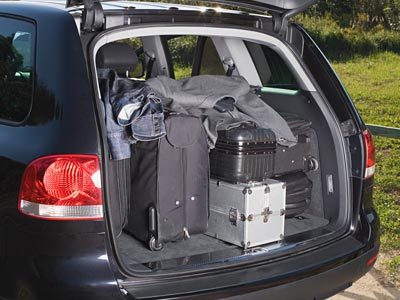
Most people think of SUVs as the ultimate hybrid. They want the appeal of a pickup truck and the comfort of a sedan. But the reality of SUV payload capacity is somewhere in between. Of course, it’s more than just a car. But this is not a truck.
The layout helps. Almost all modern SUVs have a spacious, flat cargo area when the rear seats are folded down. Store bulky gear, tents, furniture, etc. that won’t fit in the sedan. But here’s the problem. You can’t stack your stuff on the ceiling like you can with a bed. The roof exists for a reason.
More importantly, loading your SUV like a work truck is a bad idea. Safety experts have known this for decades.
SUVs sit higher. A high center of gravity is a double-edged sword. You can climb over rocks. However, it also increases the likelihood of rollovers. An overloaded SUV is a game of dice. You might think it’s fine because it’s stable when it’s empty. Physics comes into play when you add weight and change balance.
Manufacturers heard to complaints. Consumers got scared. The result? Electronic stability control (ESC) is standard. It’s not just a luxury feature anymore. It’s a necessity.
There is also a legal side to the matter. The National Highway Traffic Safety Administration (NHTSA) stepped in back in 2004. They mandated a sticker on the doorjamb of all vehicles with a GVWR of less than 10,000 pounds.
This sticker indicates the maximum weight limit for occupants and cargo. This is not advice. It’s the hard line.
So what happens if your gear exceeds this limit? Can you tweak the vehicle to carry more? This is where it gets tricky.
Can You Increase Payload Capacity?
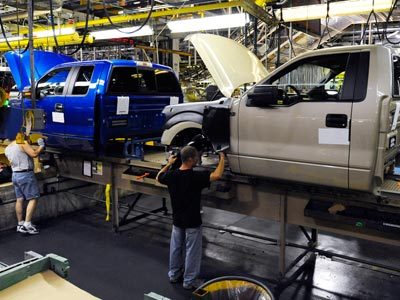
The first step is to know the payload of your vehicle. That’s the number you need to stick with. But what happens when this limit feels too narrow? What if there is equipment, passengers or cargo pushing past the sticker figure? Is there a way to carry more?
The short answer is: sometimes you can improve performance, but you can’t just ignore physics. Overloading is dangerous. It affects drivability, braking and safety. If the police find out you’re overweight, you don’t just risk collapsing. You are looking at a ticket for unsafe loading. No one wants this hassle.
So how do you get more out of your rig without breaking the law or the suspension?
Upgrade with towing packages
Most manufacturers offer optional trailer packages. These are not just marketing gimmicks. These are technical solutions to increase performance and benefit. The content varies from brand to brand, but the goal is the same: to help the vehicle carry more weight safely.
A typical package contains heavier components. You may get a reinforced trailer wiring harness. A heavy-duty hitch replaces the stock receiver. Safety chains are often bundled. However, the real benefit comes from the mechanical upgrade.
“To withstand the strain, manufacturers are installing larger engines, stronger brakes and better cooling systems.”
These updates fix bottlenecks. The stock engine may lack torque for heavy loads. A better cooling system prevents overheating when driving uphill. More powerful brakes shorten the braking distance. Depending on the configuration, this combination allows for larger trailer loads and sometimes slightly higher payload limits.
Check your list of options. Look for terms like “Heavy Duty Towing Package” or “Max Trailer Tow”. This is usually an additional cost, but the performance pays off.
Find your own numbers
General knowledge helps, but you need specific information about your exact vehicle. Load capacity varies by model year, engine choice and equipment level. The basic model may have a different curb weight than the fully equipped luxury version. A lower curb weight means that there is more payload for the load.
If you don’t have the manual at hand or you want to buy a used vehicle, you can search for historical data. The charts below provide an overview of the most important brands. Use these numbers as a guide, but always check your car’s door jamb sticker. It is the only legitimate source of truth for your VIN.
Acura payload information
Acura vehicles generally offer modest payloads compared to full-size trucks. The MDX and RSX were the workhorses of their class. Although the RL and TL were luxury sedans, they had reasonable passenger and luggage limits.
year | Model | **Max.
Load Capacity (lbs)**
— | — | —
2006 | MDX | –
2006 | RL | –
2006 | RSX | –
2006 | TL | –
2006 | TSX | –
2007 | MDX | 1158
2007 | RL | –
2007 | RDX | 870
2007 | TL | –
2007 | TSX | 850
2008 | MDX | 1158
2008 | RL | –
2008 | RSX | 870
2008 | TL | –
2008 | TSX | 850
2009 | MDX | 1158
2009 | RL | –
2009 | RSX | 870
2009 | TSX | 850
Other Acura specifications:
* Acura GVWR
Acura GAWR
Acura GCWR
* Acura cargo capacity
* Acura Curb Weight
* Acura towing capacity
Audi payload information
Audi’s product range focuses on performance and luxury. Payload figures reflect this. The A8 and S8 are large sedans with considerable weight, with payload to around 1,213 lbs. As a smaller sports car, the TT has a significantly smaller limit. The Q7 SUV offers a middle ground, although individual years vary considerably.
| year | Model | Max. Payload (lbs) |
|---|---|---|
| 2006 | A3 | – |
| 2006 | A4 | – |
| 2006 | A6 | – |
| 2006 | A8 | 1213 |
| 2006 | S4 | – |
| 2006 | TT | 728 |
| 2007 | A3 | – |
| 2007 | A4 | – |
| 2007 | A6 | – |
| 2007 | A8 | – |
| 2007 | Q7 | – |
| 2007 | RS4 | – |
| 2007 | S4 | – |
| 2007 | S6 | – |
| 2007 | S8 | 1213 |
| 2008 | A3 | – |
| 2008 | A4 | – |
| 2008 | A5 | – |
| 2008 | A6 | – |
| 2008 | A8 | – |
| 2008 | Q7 | – |
| 2008 | R8 | – |
| 2008 | RS4 | – |
| 2008 | S4 | – |
| 2008 | S5 | – |
| 2008 | S6 | – |
| 2008 | S8 | – |
| 2008 | TT | – |
| 2009 | A3 | – |
| 2009 | A4 | – |
| 2009 | A5 | – |
| 2009 | A8 | – |
| 2009 | Q7 | – |
| 2009 | R8 | – |
| 2009 | S4 | – |
| 2009 | S5 | – |
| 2009 | S8 | – |
| 2009 | TT | – |
Other Audi technical data:
* Audi GVWR
* Audi GAWR
* Audi GCWR
* Audi Cargo Carrying Capacity
* Audi Curb Weight
* Audi’s towing capacity
BMW payload data
BMW offers a wide range of models from the compact 1 Series to the large X5 SUVs. Carrying capacity varies greatly. The Z4 Roadster has a low limit of 551 lbs. The M3 and M5 sit around 1,000 to 1,058 lbs. The X5’s payload increased especially in later years, reaching nearly 1,300 lbs in 2009.
| year | Model | Max. Payload (lbs) |
|---|---|---|
If you are hauling anything heavier than a few grocery bags, the numbers below matter. These tables cover the maximum payload capacity for Chevrolet, Chrysler, Dodge, Ford, and GMC vehicles from 2006 through 2009. Payload is the total weight of passengers, cargo, and optional equipment the vehicle can carry. It is not towing capacity. Ignore it at your peril.
Chevrolet Payload
Chevy trucks dominated the heavy-duty segment, but their light-duty pickups and SUVs showed some interesting shifts in capacity over these four years. The Silverado line was the workhorse. The 3500 HD could handle over 5,000 lbs in 2006. That number dipped slightly in later years before rising again.
The Tahoe and Suburban family stayed consistent. The Suburban 1500 hovered around 1,600 lbs. The 2500 version carried nearly 2,800 lbs in 2006. Smaller trucks like the Colorado held about 1,300 lbs. The Express van was a solid hauler, sitting at 2,306 lbs for the 1500 model.
| Year | Model | Max Payload (lbs) |
|---|---|---|
| 2006 | Avalanche 1500 | 1387 |
| 2006 | Avalanche 2500 | 2072 |
| 2006 | Colorado | 1532 |
| 2006 | Express | 2306 |
| 2006 | HHR | 900 |
| 2006 | Silverado 1500 | 1913 |
| 2006 | Silverado 1500 Hybrid | 1162 |
| 2006 | Silverado 1500 SS | 1253 |
| 2006 | Silverado 1500 HD | 3129 |
| 2006 | Silverado 2500 HD | 3606 |
| 2006 | Silverado 3500 HD | 5169 |
| 2006 | Suburban 1500 | 1731 |
| 2006 | Suburban 2500 | 2828 |
| 2006 | Tahoe | 1522 |
| 2006 | TrailBlazer | 1194 |
| 2006 | TrailBlazer EXT | 1429 |
| 2007 | Avalanche 1500 | 1258 |
| 2007 | Colorado | 1316 |
| 2007 | Express | 2306 |
| 2007 | HHR | 900 |
| 2007 | HHR Panel | 900 |
| 2007 | Silverado 1500 | 1658 |
| 2007 | Silverado 1500 Classic | 1913 |
| 2007 | Silverado 1500 Hybrid Classic | 1162 |
| 2007 | Silverado 1500 SS Classic | 1253 |
| 2007 | Silverado 1500 HD Classic | 3129 |
| 2007 | Silverado 2500 HD | 3458 |
| 2007 | Silverado 2500 HD Classic | 3606 |
| 2007 | Silverado 3500 Classic | 5169 |
| 2007 | Suburban 1500 | 1593 |
| 2007 | Suburban 2500 | 2561 |
| 2007 | Tahoe | 1835 |
| 2007 | TrailBlazer | 1194 |
| 2008 | Avalanche 1500 | 1444 |
| 2008 | Colorado | 1316 |
| 2008 | Express | 2306 |
| 2008 | HHR | 900 |
| 2008 | HHR Panel | 900 |
| 2008 | Silverado 1500 | 1652 |
| 2008 | Silverado 2500 HD | 3458 |
| 2008 | Silverado 3500 HD | 3621 |
| 2008 | Suburban 1500 | 1593 |
| 2008 | Suburban 2500 | 2561 |
| 2008 | Tahoe | 1835 |
| 2008 | Tahoe Hybrid | 1830 |
| 2008 | TrailBlazer | 1194 |
| 2009 | Avalanche 1500 | 1333 |
| 2009 | Colorado | 1250 |
| 2009 | Express 1500 | 2306 |
| 2009 | Express 2500 | 3262 |
| 2009 | Express 3500 | 4147 |
| 2009 | HHR | 900 |
| 2009 | HHR Panel | 900 |
| 2009 | Silverado 1500 | 1652 |
| 2009 | Silverado 2500 HD | 3480 |
| 2009 | Silverado 3500 HD | 3873 |
| 2009 | Suburban 1500 | 1593 |
| 2009 | Suburban 2500 | 2561 |
| 2009 | Tahoe | 1835 |
| 2009 | Tahoe Hybrid | 1830 |
| 2009 | TrailBlazer | 1194 |
- Chevrolet GVWR
- Chevrolet GAWR
- Chevrolet GCWR
- Chevrolet Cargo Carrying Capacity
- Chevrolet Curb Weight
- Chevrolet Towing Capacity
Chrysler Payload
Chrysler’s payload numbers are generally lower than Chevy’s trucks. The PT Cruiser was surprisingly versatile in 2007 and 2008, handling nearly 1,900 lbs. The Aspen SUV held steady at 1,600 lbs. The Town & Country minivan was a family hauler, not a freight carrier. It maxed out around 1,200 lbs. The Pacifica was lighter, hovering near 870 lbs.
| Year | Model | Max Payload (lbs) |
|---|---|---|
| 2007 | Aspen | 1600 |
| 2007 | PT Cruiser | 1907 |
| 2007 | Pacifica | 889 |
| 2007 | Town & Country | 1200 |
| 2008 | Aspen | 1600 |
| 2008 | Pacifica | 865 |
| 2008 | PT Cruiser | 889 |
| 2008 | Town & Country | 1200 |
| 2009 | Aspen | 1600 |
| 2009 | Aspen Hybrid | 1500 |
- Chrysler GVWR
- Chrysler GAWR
- Chrysler GCWR
- Chrysler Cargo Carrying Capacity
- Chrysler Curb Weight
- Chrysler Towing Capacity
Dodge Payload
Dodge trucks are where the real muscle is. The Ram 3500 was a beast. In 2008, it could carry 4,870 lbs. That dropped to 3,560 lbs in 2009. The 2500 series stayed strong, holding over 3,200 lbs for most of this period. The Ram 1500 saw a drop in 2009, falling from 1,810 lbs to 1,490 lbs. Sprinter vans were heavy-duty workhorses. The 2006 Sprinter Wagon 2500 could handle 4,824 lbs.
| Year | Model | Max Payload (lbs) |
|---|---|---|
| 2006 | Caravan | 1682 |
| 2006 | Charger | 1 |
Honda Payload Capacity
Honda’s lineup of this era speaks of a change in priorities. The Civic and Accord dominate the sedan market, but they aren’t big hits when it comes to payload capacity. The Honda Odyssey is a consistent choice for families in need of space, with a payload holding steady at 1,349 pounds from 2006-2009. This is a solid measure of the practicality of a minivan.
For those considering a compact SUV, that number is significantly lower. No specific payload numbers were recorded for Honda CR-V and Civic Hybrid, indicating variations based on equipment and option packages. The Honda Fit also has a dash. This means you need to check the exact number on the sticker on the door frame based on your specific build.
The Honda Ridgeline stands out for utility. The maximum payload for the 2006-2008 models is 1,549 pounds, which punches above its weight for unibody trucks. Data for 2009 is not available, but trends indicate a strong platform for tools and equipment. The Honda Pilot falls somewhere in the middle, offering a 1,322-pound payload in 2007-2009. Data is missing for the 2006 model year, but consistency after that points to solid towing and hauling setups.
The Honda Element is a slight deviation. In 2006 it was rated for 675 lbs. This number remained until 2008. It’s a boxy, practical SUV, but it doesn’t have much payload capacity compared to a large truck. Limited information on the Honda Insight and S2000 indicates that the 2006 Insight showing 400 lbs. This small number makes sense, as sports cars and hybrids often sacrifice payload for efficiency and performance.
Hummer Payload Capacity
Hummer is a completely different beast. H2 is heavy lifting, but its functionality is constantly evolving. In 2006 and 2007, certain payload numbers were missing, likely due to tuning changes or data gaps. However, in 2008 and 2009 H2 was rated for a hefty 2,200 lbs. This is important. Designed for serious transport, be it a trailer or heavy equipment.
H3 Smaller, but still more powerful. From 2006 to 2008, it maintained a payload of 1,150 pounds. In 2009, it jumps to 1,312 lbs. Why is it increasing? Possibly a platform update or a change in stock weight. In 2009, the truck version H3T weighed 1,090 lbs. Considering the differences in bed space and structure, it is slightly lighter than a typical SUV.
The 2006 H1 Alpha offers 3,087 lbs. This is huge. This is a military vehicle, so it is designed for extreme environments. If you’re looking for the best payload in the Hummer line, the H1 Alpha is the answer. The H2 and H3 are more consumer-oriented, but offer strong practicality compared to conventional SUV models.
Hyundai Payload Capacity
Hyundai’s early 2000s lineup has no payload data. Accent, Azera, Elantra, Tiburon, Tucson all show dashes for 2006–2008. This suggests that payload capacity is not the main marketing point for these small and midsize sedans. The Santa Fe and Sonata also do not include specific figures, suggesting that general payload estimates may be needed rather than model-specific limitations.
also show dashes on the Entourage and Veracruz SUVs. This is unusual for larger vehicles, which tend to have higher payloads. The information may be incomplete or the values of these models vary depending on the engine option. The 2009 Genesis sedan also lacks a number.
During this period, Hyundai focused on value and reliability, not necessarily heavy hauling. If you are looking for the payload capacity of a Hyundai vehicles of this era, we recommend checking GVWR and vehicle weight calculations rather than published payload numbers. A lack of data doesn’t mean your car can’t handle weight, but it does mean you have to do the math yourself.
INFINITI payload capacity
Infiniti offers a mix of luxury sedans and SUVs with varying payload capacities. The FX35 and FX45 are very capable SUVs, but they still carry some weight. The FX35 held steady at 1,183 pounds from 2006 to 2008, increasing to 1,213 pounds in 2009. The FX45 remained at 1,091 pounds until 2008, when it became the FX50 with a rating of 1,185 lbs. This is a subtle update, but the payload remains consistent.
The G35 Sedan shows 886 lbs in 2006, but this figure disappeared in 2007. The G37 was brought back in 2008 with 1,040 lbs. This is a significant increase, likely due to chassis strengthening or engine changes. The M35 and M45 saloons show 2008 and 2009 figures of 996 lbs and 1,010 lbs respectively. These are luxury barges, but not heavy haulers.
The QX56 is the clear winner in the Infiniti lineup. In 2006, it starts at 1,440 lbs, which jumped to 1,553 pounds in 2008 and remained at that level until 2009. This is a body-on-frame SUV, so it’s built like a truck. If you need to carry passengers or equipment, the QX56 is a sensible choice. The 2006 Q45 weighed in at 979 pounds, but has since disappeared from the records.
Isuzu Payload Capacity
Isuzu is known for its trucks and SUVs, and the numbers reflect that. Ascender was a consistent performer from 2006 to 2008 carrying 1,133 lbs. It’s a midsize SUV, so it’s not a big truck, but it’s very reliable.
i-series trucks offer even more versatility. The i-280 (2006) and i-290 (2007-2008) offer £1,532 and £1,512 respectively. This is perfect for a compact pickup. The i-350 (2006) offers 1,190 lbs, while the i-370 (2007-2008) drops to 1,516 lbs and then £1,260. This variation shows that cab configuration and bed length affect load capacity.
Isuzu figures are limited to this model. During this time, the Ascender and i-Series made up the majority of the company’s products in the United States. When buying a used vehicle, check the cab and bed combination as it determines the actual load capacity.
Jaguar Payload Capacity
Jaguar’s luxury car has a low payload. The X-Type is the only model with consistent data and has a payload of 1058 pounds from 2006-2008. That number makes sense since this is a compact executive sedan. S-Type, XJ8, XJR contain dashes to indicate changing ratings or gaps in data.
The XK and XKR Coupe show figures for 2008 and 2009. The XK offers 815 lbs for the 2008 model and the XKR offers 772 lbs for the 2008 model. The XKR’s lower rating is likely due to its performance-oriented suspension and heavier components. The 2009 XK Coupe is comparable to the 2008 XK at 815 lbs.
No data is shown for 2009 XF. During this period, Jaguar focused more on design and performance than practicality. If you are looking for a payload for your Jaguar, the X-Type is the best option. Sports cars are fun, but they are not designed for hauling.
Jeep Payload Capacity
ジープはモデルに応じてさまざまな積載量を提供しています。 コマンダー は、2006 年に 1,620 ポンドで始まり、2007 年に 1,310 ポンドに下がり、2008 年から 2009 年にかけて 1,300 ポンドで横ばいになりました。 2007 年の下落は、再設計または標準装備の追加に関連している可能性があります。
グランドチェロキー は主力製品です。 1を提供します
Payload is important. This is the weight of passengers, cargo and fluids that the vehicle can actually carry without breaking suspension components or exceeding its axle limits. The following figures refer to the maximum payload in pounds for the years 2006-2009. If you see a line, the data was not available or the model did not provide a clear payload classification in the source material.
Mazda payload
Mazda’s offering has changed significantly during this time. The truck chassis (B series) remained the standard equipment for commercial vehicles, while passenger cars such as the 3 and 6 series received varying grades depending on the equipment.
2006
– B2300: 1260 lbs
– B3000: 1680 lbs
– B4000: 1260 lbs
-Mazda3:-
– Mazda5: 1239 lbs
– Mazda6: 1319 lbs
– MazdaSpeed6: 963 lbs
– MPV: 1506 lbs
– MX-5: 637 lbs
– RX-8: 779 lbs
– Tribute: 988 lbs
2007
– B2300: 1260 lbs
– B3000: 1680 lbs
– B4000: 1260 lbs
– CX-7: –
– CX-9: £1,493
-Mazda3:-
– Mazda5: 1239 lbs
– Mazda6: £1,080
– MazdaSpeed3: –
– MazdaSpeed6: 963 lbs
– MX-5: 637 lbs
– RX-8: £765
2008
– B2300: 1260 lbs
– B4000: 1260 lbs
– CX-7: –
– CX-9: –
-Mazda3:-
– Mazda5: £1,191
– Mazda6: £1,087
– MazdaSpeed3: –
– MX-5: £633
– RX-8: £765
– Tribute: 1057 lbs
– Tribute Hybrid: 1083 lbs
2009
– B2300: 1200 lbs
– B4000: 1260 lbs
– CX-7: –
– CX-9: –
-Mazda3:-
– Mazda5: £1,191
– Mazda6: £1,082
– MazdaSpeed3: –
– RX-8: £754
– Tribute:-
Other Mazda specifications:
– Mazda GVWR
-Mazda GAWR
-Mazda GCWR
– Mazda Cargo Carrying Capacity
– Mazda curb weight
– Mazda Towing Capacity
Mercedes-Benz payload
Thanks to the German design, driving comfort and drivability are often prioritized over pure payload. SUVs like the M-Class and R-Class offered the most benefit, while sedans and sports cars had lighter legs but also less capacity.
2006
– Class C: –
– CL class: –
– CLK class: –
– CLS class: –
– E class: –
– ML350: 1616 lbs
– ML500: 1496 lbs
– R-Class: 2000 lbs
– S class: –
– SL class: –
– SLK class: –
– SLR McLaren: –
2007
– Class C: –
– CL class: –
– CLK class: –
– CLS class: –
– E-Class: 1157 lbs
– G500: 1289 lbs
– GL320: 1086 lbs
– GL450: 1620 lbs
– ML350: 1635 lbs
– ML320: 1422 lbs
– ML500: 1620 lbs
– ML63 AMG: 1257 lbs
– R-Class: 1635 lbs
– S class: –
– SL class: –
– SLK class: –
– SLR McLaren: 626 lbs
2008
– Class C: –
– CL class: –
– CLK class: –
– CLS class: –
– E-Class: 1157 lbs
– G500: 1764 lbs
– G55: 1433 lbs
– GL320: –
– GL450: 1620 lbs
– GL550: 1620 lbs
– ML320: 1422 lbs
– ML350: 1635 lbs
– ML550: 1620 lbs
– ML63 AMG: –
– R class: –
– S class: –
– SL class: –
– SLK class: –
– SLR McLaren: 342 lbs
2009
– Class C: –
– CL class: –
– CLK class: –
– CLS 550: –
– E-Class: 1157 lbs
– GL450: 1620 lbs
– GL550: 1620 lbs
– ML350: 1635 lbs
– ML320: 1422 lbs
– ML550: 1620 lbs
– ML63 AMG: £1,300
– Class R: 1365 lbs
– S class: –
– SL class: –
– SLK class: –
Other Mercedes-Benz specifications:
– Mercedes-Benz GVWR
– Mercedes-Benz GAWR
– Mercedes-Benz GCWR
– Mercedes-Benz Cargo Carrying Capacity
– Mercedes-Benz curb weight
– Mercedes-Benz towing capacity
Mercury payload
During these years, Mercury was in the middle field. The Mountaineer was the workhorse, while the Mariner offered decent utility with a hybrid option that actually reduced the payload slightly due to battery weight.
2006
– Grand Marquis:-
– Mariner: 1075 lbs
– Mariner Hybrid: 920 lbs
– Milan: –
– Montego: –
– Monterey: 1320 lbs
– Mountaineer: 1549 lbs
2007
– Grand Marquis:-
– Mariner: 1075 lbs
– Mariner Hybrid: 920 lbs
– Milan: –
– Montego: –
– Monterey: 1320 lbs
– Mountaineer: 1443 lbs
2008
– Grand Marquis:-
– Mariner: 1059 lbs
– Mariner Hybrid: 920 lbs
– Milan: –
– Mountaineer: 1443 lbs
– Sable: –
2009
– Grand Marquis:-
– Mariner: 1059 lbs
– Mariner Hybrid: 920 lbs
– Milan: –
– Mountaineer: 1443 lbs
– Sable: –
Other Mercury Specifications:
– Mercury GVWR
-Mercury GAWR
– Mercury GCWR
– Mercury cargo capacity
– Mercury Curb Weight
– Mercury towing capacity
MINI Payload
MINI has maintained consistency. The Cooper Hardtop and Clubman carried similar loads, while the convertible lost structure and thus payload capacity. The JCW versions have not received any additional capacity; They just added weight somewhere else.
2006
– Cooper Convertible: 771 lbs
– Cooper Hardtop: 816 lbs
2007
– Cooper Convertible: 771 lbs
– Cooper Hardtop: 816 lbs
2008
– Cooper Clubman: 816 lbs
– Cooper Convertible: 771 lbs
– Cooper Hardtop: 816 lbs
2009
– John Cooper Works Hardtop: 816 lbs
– John Cooper Works Clubman: 816 lbs
Other MINI technical data:
– MINI GVWR
-MINI GAWR
積載量はラベルに記載されている単なる数字ではありません。 これは、安全性、ハンドリング、または構造的完全性に影響が出る前に、実際に車に搭載できるものに対する厳しい制限です。 ロードトリップに向けて荷物を積み込んだり、道具を運んだりしている場合、あるいは単に前回の食料品店への旅行後に燃費が低下した理由に疑問を抱いている場合は、自分の限界を知る必要があります。 主要ブランドの 最大積載量定格 に焦点を当てて、2006 年から 2009 年のデータを調べています。
Saturn Payload
土星在这里已处于生命的最后几年。 该品牌正在整合模型,这意味着数据很快就会变得稀疏。 如果某个型号未列出,则该数据可能不可用,或者该型号已在当年停产。
2006 Saturn Models
Relay The truck moved up to 1350lbs. The VUE Crossover weighs 1331 lbs. AEON Sedan? No data available.
2007 Saturn Models
Aura Sedan weighs 1009 lbs. The large Outlook crossover is a 1678 lb workhorse. core stabilized at 1354lbs. The VUE Hybrid offers 1511lbs, beating its non-hybrid sibling slightly than its non-hybrid sibling. Payload figures for Sky Roadster and Aura Hybrid are not listed.
2008 Saturn Models
The Astra Hatchback is light and has a maximum payload of 893 lbs. HALO is still £1009. Outlook remains strong at £1678. The VUE drops to 1000 lbs and the VUE Hybrid drops to 1111 lbs. Sky and Aura Hybrid no longer display data.
2009 Saturn Models
Astra disappeared. Aura and Aura Hybrid information is not shown. Outlook tops out at 1709lbs. Empty does not exist. VUE weighs 1000 lbs, VUE Hybrid weighs 1111 lbs.
Saturn Specifications Note: In addition to payload capacity, Saturn vehicles have specified Gross Vehicle Weight (GVWR), Gross Axle Weight (GAWR) and Combined Weight (GCWR). These numbers determine not only what’s inside the car, but how much weight the axle and assembly can handle, including towing capacity.
サイオンペイロード
サイオンの初期のラインナップは、若いバイヤーと草の根効率に焦点を当てています。 データは特に希薄です。 実際、この期間のほとんどにおいて、tC 、xA 、xB 、xD の具体的な積載量の数値は標準参照表に目立つように記載されていませんでした。これは通常、これらがこれらの軽量通勤車の主要な仕様ではなかったためです。
2006-2009 Scion Models
From 2006 to 2009, the tC Coupe, xA Hatchback, xB Boxy Hatchback, and xD Sedan were all listed as “-“. This suggests either that the source material data is not standardized, or that these vehicles are so light that payload is unlikely to be a limiting factor for the average consumer. tC is always the focus of this period.
Scion Specifications: Like the Saturn, Scion vehicles have specific GVWR, GAWR, GCWR and vehicle weight ratings. This section usually has minimal towing capacity.
The smart Payload
smart fortwo is a city microcar. Not built for payload.
2008 smart Models
ForTwo maximum payload is only 463 lbs. Not enough for 2 adults and a bag of groceries.
Note on Smart Specs: Smart cars have GVWR, GAWR, GCWR and vehicle weight ratings. The Fortwo has virtually no towing capacity.
Subaru Payload
Subaru is known for four-wheel drive and rugged practicality. The trunk space figures reflect the combination of a light sedan and a powerful SUV.
2006 Subaru Models
The B9 Tribeca holds 1560 lbs. The Baja is slightly lighter at 1070lbs. The Forester weighs 1060 lbs. Impreza trims range from 794 lbs (WRX STI) to 1132 lbs (Outback Sport). The Old sedan is 1200 lbs and the truck is 1300 lbs. The Outback Van can carry up to 1245 lbs.
2007 スバルモデル
B9 トライベッカ の重量は1560ポンド です。 フォレストマン は1010ポンド まで減少しました。 インプレッサ セダンとワゴンは 955 ~ 995 ポンド 程度です。 レガシー はセダンで1055ポンド 、ワゴンで1290ポンド に下がります。 アウトバック は995ポンド まで大幅に減少します。
2008 Subaru Models
The Forester stays at 1010lbs. The Impreza is lighter: 856 pounds for the sedan and 976 pounds for the wagon. WRX STI improved to 1080 lbs. The Legacy is still £1,055. The Outback grows slightly to 1085 lbs. Tribeca has dropped significantly to 660lbs. This is probably due to a change in model year or an increase in weight with the new generation.
2009 Subaru Models
Forester jumped to 1230lbs. The Legacy is still £1,055. The Outback is 1078 lbs. The Tribeca stays at 660 lbs.
Subaru Specifications: Subaru Payload is closely related to Gross Vehicle Weight (GVWR), Gross Vehicle Weight (GAWR) and Gross Vehicle Weight (GCWR). It is important to understand these differences when towing and towing heavy objects.
Suzuki payload
Suzuki’s influence is waning, but models like the Grand Vitara and XL7 offer solid practicality.
2006 Suzuki Models
Aerio holds 955 lbs. The Forenza costs £981. Grand Vitara controls 1175 lbs. The Reno weighs 941 lbs. The XL7 weighs 1168 lbs. Tax No information.
2007 Suzuki Models
Information is not available for models Aerio, Forenza, Grand Vitara, Reno, SX4. The XL7 jumps to 1626 lbs, a significant increase that may reflect trim and assembly changes.
2008 Suzuki Models
Forenza will set you back £926. Grand Vitara Weight 1178 lbs. Reno Weight 926 lbs. The SX4 is 893 lbs. The XL7 weighs 1626 lbs.
2009 Suzuki Models
Information is not available for the models Equator and Grand Vitara. The SX4 is still £893. XL7 This model is discontinued and no information is displayed.
Suzuki specifications: Suzuki payload is related to GVWR, GAWR, GCWR, vehicle weight. Smaller vehicles generally have a lower towing capacity.
トヨタペイロード
トヨタの商品ラインナップは小型のヤリス から大型のタンドラ まで多岐にわたります。 ペイロードは大きく異なります。
2006 Toyota Models
The 4Runner can handle 1285 lbs. The Avalon* is 1075 lbs. The Camry is 1059 lbs. The Corolla weighs 1055 lbs. The Highlander is a 1840 lb beast. The Highlander Hybrid is 1605 lbs. Land Cruiser is 1500 lbs. The Matrix is 1166 lbs. The Prius weighs 1085 lbs. The RAV4 weighs 1130 lbs. Sequoia is 1510 lbs. Sienna is