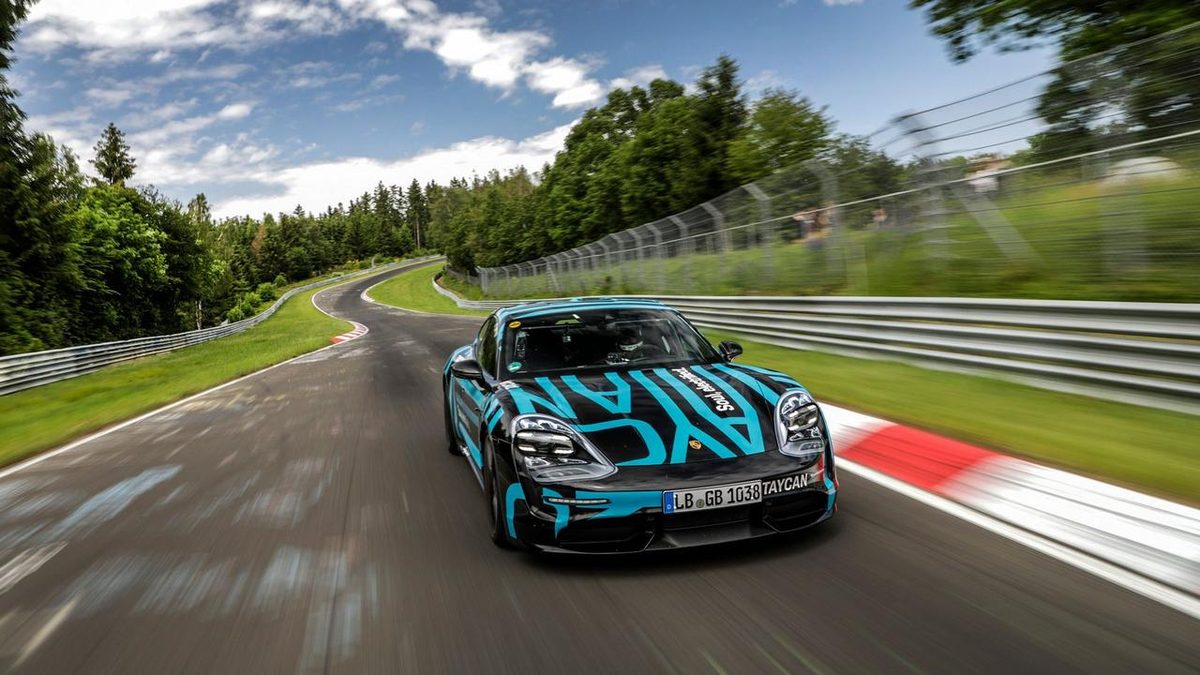
Porsche and Audi are issuing a joint recall for their flagship electric sedans. The Porsche Taycan and Audi e-tron GT models face a potential fire hazard due to defects in their high-voltage battery packs. This move affects thousands of vehicles produced between 2019 and 2024.
Owners should not panic immediately, but precautions are necessary. Until dealerships can inspect the units, drivers are being advised to follow specific safety guidelines. The core issue lies within the battery modules themselves.
The Root Cause: Production Flaws
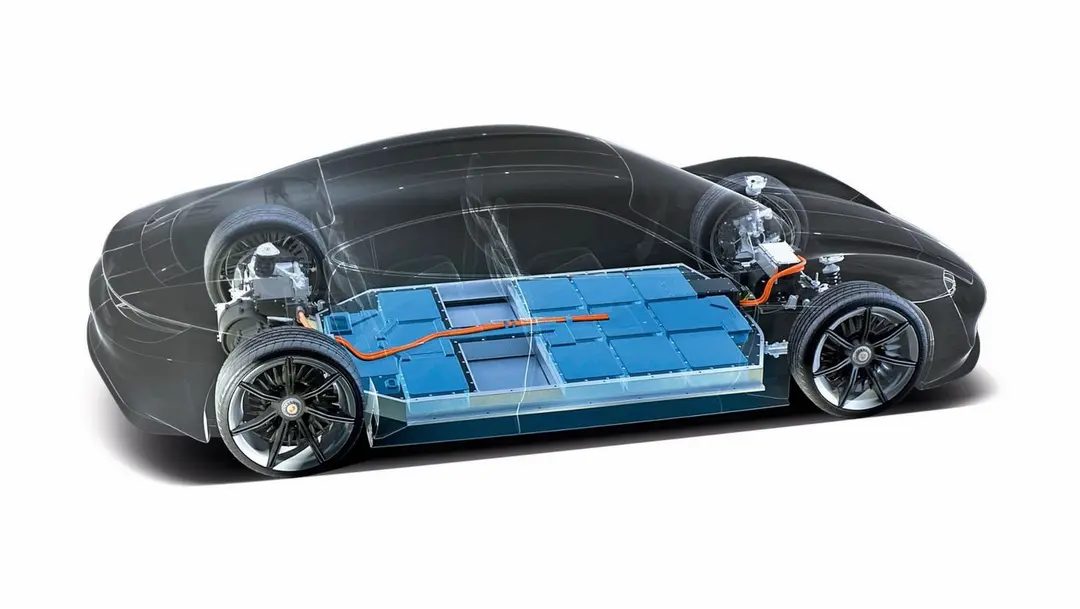
The recall stems from manufacturing defects in the high-voltage battery cells. Engineers have identified two primary failure points. First, some anode tabs may have been torn during assembly. Second, cracks can form in the production pockets of the cells.
These physical imperfections are not immediately obvious. They develop over time. As the battery cycles, the damaged areas can lead to localized overheating. In extreme cases, this thermal runaway triggers an actual fire.
“Certain battery modules may have production defects, such as torn anode tabs or cracks in the production pockets.”
Which Years Are Affected?
The Porsche Taycan and Audi e-tron GT are technically platform-sharing siblings. They use similar electrical architectures and battery technologies. This overlap explains why the recall covers both brands simultaneously.
The affected model years span from 2019 through 2024. This covers the entire first generation of these sports sedans. If you own one of these EVs, your battery pack is suspect until proven otherwise.
What Owners Should Do Now
Dealerships will need to diagnose and potentially replace faulty battery modules. This process takes time. In the interim, Porsche and Audi have issued strict safety protocols.
Drivers are urged to monitor their vehicles closely. Any sign of unusual heat near the battery compartment or warning lights on the dashboard should be treated as an emergency. Do not ignore anomalies. The risk of fire, while statistically low per unit, is severe when it occurs.
Why This Matters for EV Safety
This recall highlights the growing pains of high-performance electric vehicles. Battery density and power output come with inherent thermal management challenges. When manufacturing tolerances slip, the consequences can be catastrophic.
Porsche and Audi are acting proactively here. They identified the flaw before widespread incidents occurred. That is a positive sign for brand accountability. However, it also serves as a reminder that EV batteries are complex systems. They require rigorous quality control.
For now, sit tight. Wait for the dealership notification. Keep your vehicle plugged in when possible, and avoid charging if you notice any irregularities. The fix is coming, but it’s not here yet.
The Fix: Free Recalls and Dealer Inspections
Porsche and Audi aren’t waiting around. They’ve launched formal recall campaigns to inspect the faulty battery modules and swap them out if needed. If you own one of the affected vehicles, don’t wait for the letter to arrive. Contact your dealer immediately to schedule an appointment.
The good news? The repairs are free. No surprise invoices for hardware or labor. Just show up and let the technicians handle the swap.
Driving Habits: What to Do Now
Until that appointment happens, your driving style needs to change. The goal is simple: keep the battery cool. Limit your charge to 80% of maximum capacity. Don’t fill it to the brim.
Also, avoid scenarios that stress the pack. Hard acceleration is out. Long highway runs at high speeds are out. These actions generate heat, and heat is the enemy right now. These precautions are temporary measures to reduce the risk of overheating until the hardware is corrected.
“Limit charge to 80% and avoid high-speed, high-load driving until the module is replaced.”
It’s a hassle. You’re mid-range on power and driving cautiously. But it’s better than a fire.