Ford’s decision to prioritize trucks and commercial vehicles over traditional passenger cars—specifically the Mondeo, Fiesta, and Focus—is proving to be a high-stakes gamble with potentially severe consequences for its market share. While the company chases higher-margin segments, it’s alienating a significant customer base and handing opportunities to competitors.
The Hackett Era and the Shift in Strategy
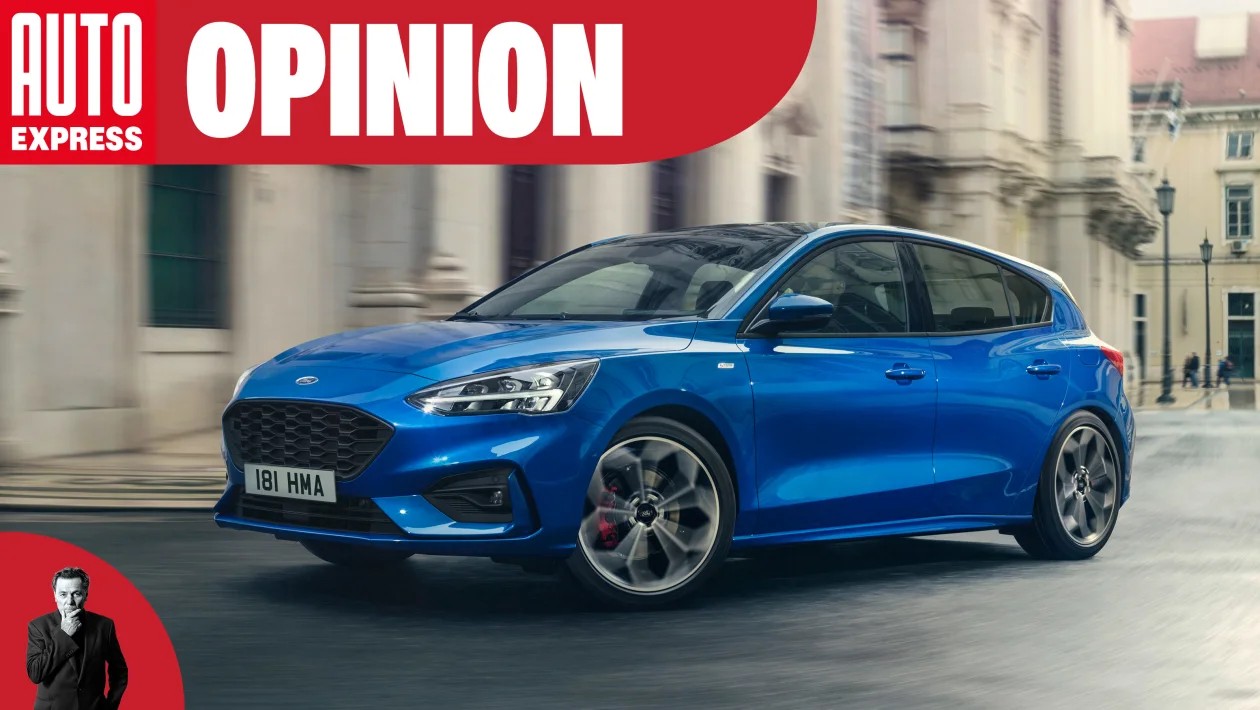
The roots of this shift trace back to the tenure of Jim Hackett, who took the helm as CEO in 2017 despite limited automotive industry experience. His leadership saw Ford double down on trucks, vans, and SUVs while progressively phasing out popular car models. The Mondeo was discontinued in 2022, followed by the Fiesta in 2023, and finally, the Focus ceased production earlier this year.
This move, while financially driven, has come at a clear cost: Ford has lost its position as the top-selling automaker in the UK, as customers who once favored these models are now turning to rival brands that still offer comparable vehicles.
The Consequences of Narrow Focus
The decision to abandon core car lines isn’t just about lost sales; it’s a fundamental shift in Ford’s identity. The Fiesta and Focus, in particular, were key players in the European market, competing directly with strong sellers like the VW Polo and Golf. Their absence creates a void that competitors are quickly filling.
The market doesn’t wait for companies to decide what it wants. If Ford doesn’t provide the cars customers demand, they’ll simply buy from someone else.
Ford’s delayed response to the growing discontent—with a promised update on its passenger car strategy pushed back to 2026—only exacerbates the problem. This lack of immediate action leaves customers with few options and further fuels defection to competing brands.
The Future: Trucks, EVs, or Strategic Partnerships?
Ford now faces a critical crossroads. Its current course of betting heavily on trucks and commercial vehicles leaves it exposed to market fluctuations and dependent on a narrower consumer base. A full-scale pivot to electric vehicles is another option, but requires substantial investment and faces its own set of challenges.
Meanwhile, potential collaborations—such as the tech tie-ups with Volkswagen seen at the Shanghai Auto Show—offer a possible path forward, but they also involve ceding control over key product lines.
The company’s current trajectory is unsustainable. Unless Ford reconsiders its aggressive abandonment of passenger cars or commits to a rapid and effective transition to electric alternatives, it risks further erosion of its market share and a permanent loss of customer loyalty.