The British automotive landscape is undergoing a seismic shift. Recent sales data from the first quarter of 2026 reveals a startling trend: the traditional dominance of long-established car manufacturers is being challenged by a rapid influx of Chinese brands. As consumer preferences pivot toward new players, the concept of lifelong brand loyalty appears to be fading fast.
A Record-Breaking Debut
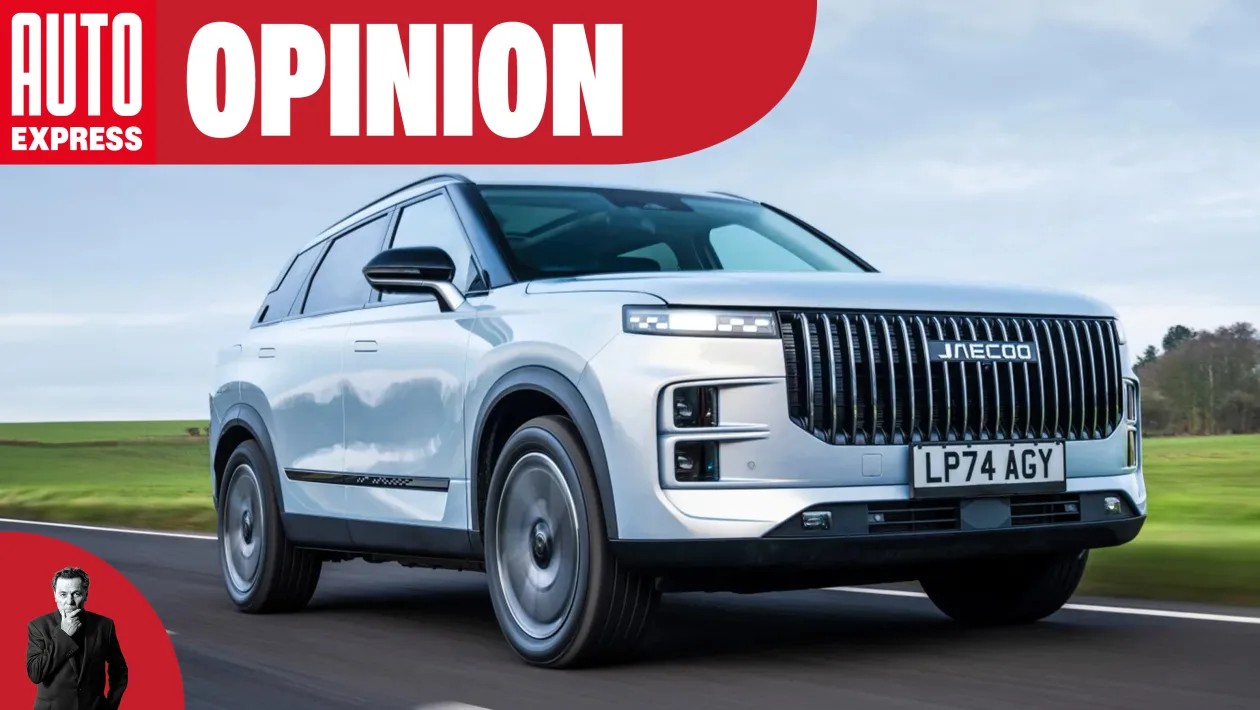
The most striking evidence of this disruption comes from the March registration figures. The Jaecoo 7, a model from a company that did not even exist 37 months ago, claimed the title of Britain’s best-selling car for the month. With a retail price of £29,210, it has managed to outpace much more established names.
While the Ford Puma and Kia Sportage remain top performers on the quarterly charts, the sheer velocity of growth among newer entrants is unprecedented.
Explosive Growth Metrics
When comparing the first quarter of 2026 to the same period in 2025, the growth rates for Chinese manufacturers are not just significant—they are transformative. The data shows a massive surge in interest across several brands:
- Leapmotor: +1,504%
- XPeng: +881%
- Jaecoo: +485%
- Skywell, BYD, and Omoda: Between +114% and +183%
- GWM: +27%
Even more notable is the performance of brands like Chery, which has entered the UK market so recently that year-on-year comparisons are not yet possible. Despite its newcomer status, Chery is already outselling venerable brands such as Honda, Fiat, Jeep, and Lexus. If current trajectories hold, Chery is positioned to overtake mass-market staples like Suzuki, Dacia, and Mazda before the year concludes.
Why This Matters: The Death of the “Establishment” Brand
This shift represents more than just a change in sales figures; it signals a fundamental change in consumer psychology. For decades, the UK automotive market was defined by loyalty to “establishment” firms—brands with deep histories in the UK.
However, a new pattern has emerged. UK drivers are increasingly willing to bypass traditional names in favor of vehicles that offer:
1. Modern Aesthetics: “Handsome” designs that rival or exceed legacy models.
2. Competitive Pricing: High-quality features offered at tempting price points.
3. Technological Appeal: New entrants often lead with advanced software and EV integration.
The scale of this shift is now undeniable. Chinese-made vehicles are now second only to German cars in terms of demand and appeal in the UK. In fact, Chinese brands are currently outselling vehicles from Japan, Korea, France, Italy, Spain, Sweden, America, and the UK combined.
Conclusion
The rapid ascent of Chinese automakers proves that in the modern market, value and innovation can quickly override historical brand prestige. As these new players continue to scale, the traditional automotive hierarchy in Britain faces an uncertain future.