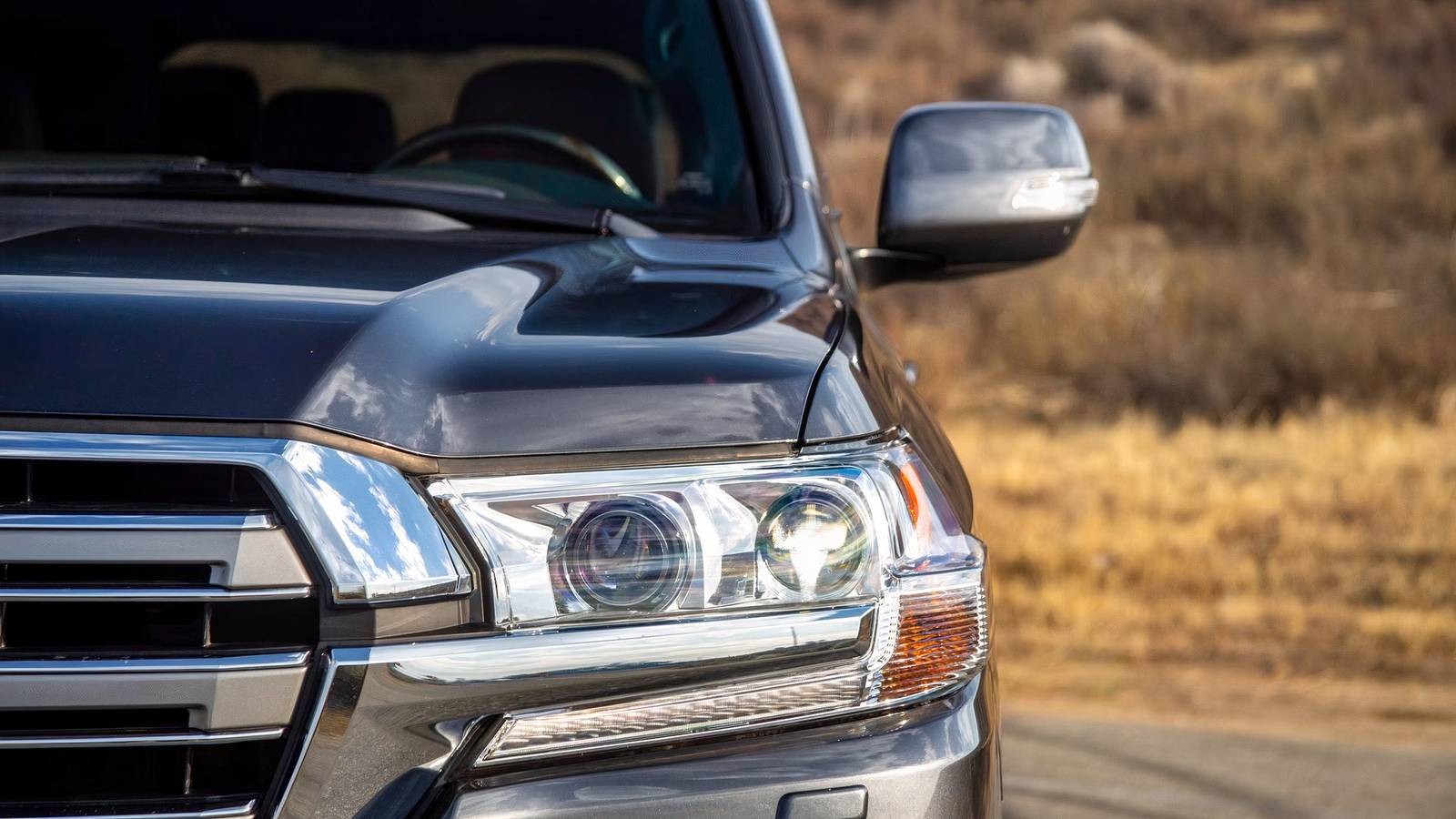
In an era of rapidly evolving automotive technology and “disposable” consumer goods, few vehicles command the lifelong loyalty seen with the Toyota Land Cruiser. While many modern SUVs are designed as mere road-going appliances—prioritizing comfort and efficiency—the Land Cruiser has carved out a niche as a tool of survival and exploration.
This is not merely a vehicle; it is a global standard for dependability that transcends generations.
The Anatomy of Durability
Reliability in the automotive world is often measured by low maintenance costs and high satisfaction scores, but for the Land Cruiser, it goes deeper. True dependability requires ruggedness : the ability to endure extreme neglect and harsh environments without catastrophic failure.
To achieve this, Toyota engineers components to withstand the most punishing conditions on Earth, from scorching deserts to polar tundras. This commitment to “overbuilding” allows the Land Cruiser to achieve milestones that most vehicles cannot:
– Extreme Longevity: While many modern SUVs struggle to reach the 200,000-mile mark due to complex turbochargers or sensitive CVTs, the Land Cruiser is celebrated for consistently crossing the 250,000-mile threshold.
– Body-on-Frame Construction: Unlike the “unibody” crossovers common in suburban driveways, the Land Cruiser utilizes a truck-based, body-on-frame design. This provides the structural integrity necessary to handle heavy-duty stress and uneven terrain without compromising the vehicle’s frame.
A Legacy Forged in Necessity
The Land Cruiser’s reputation was not built in a showroom, but on the battlefield and in the wilderness. Developed in response to the rugged requirements of the Korean War era, Toyota designed the vehicle to navigate jungle terrains where failure was not an option.
This history of utility has created a unique market phenomenon: exceptional resale value.
A five-year-old Toyota Land Cruiser typically retains nearly 75% of its original price, whereas most SUVs lose roughly half their value in the same period.
This high residual value creates a “virtuous cycle” for owners. Because the vehicle holds its worth, owners are financially incentivized to keep it longer, fostering a culture of preservation rather than constant replacement.
Engineering Philosophy: Reliability Over Trends
A key reason for the Land Cruiser’s longevity is Toyota’s historical preference for proven technology over unproven complexity.
The Evolution of Power
For decades, the Land Cruiser relied on simple, robust engines—moving from the classic F-type inline-six to the legendary 5.7-liter V8. These engines were designed for endurance rather than peak fuel efficiency, ensuring they could run for hundreds of thousands of miles.
The Modern Shift
The latest generation marks a significant technological pivot. Moving away from the V8, Toyota has introduced a gas-electric hybrid powertrain featuring a turbocharged 2.4-liter four-cylinder engine. While this represents a shift toward modern efficiency, it maintains the brand’s core values:
– Efficiency meets Power: The hybrid setup produces 326 horsepower.
– Refined Reliability: By applying its vast experience with hybrid technology to a rugged platform, Toyota aims to make modern off-roading more sustainable without sacrificing the “old-school” toughness.
A Global Standard of Trust
The Land Cruiser’s impact is felt most heavily in sectors where vehicle failure can be life-threatening. Its reputation has made it the primary choice for government fleets and international organizations operating in remote, high-risk regions. When a vehicle must venture into the unknown and return safely, the Land Cruiser is the gold standard.
This global trust has cultivated a massive, dedicated enthusiast community. In a world of planned obsolescence, the Land Cruiser stands as a rare exception—a vehicle that owners don’t just drive, but truly depend on for decades.
Conclusion
The Toyota Land Cruiser remains a dominant force in the automotive market because it prioritizes structural strength and proven engineering over fleeting trends. By blending a rugged, truck-based legacy with modern hybrid efficiency, it continues to secure a level of owner loyalty that few other vehicles can match.