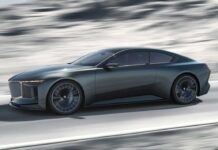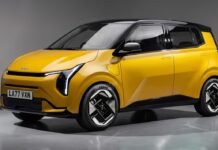
First look. Official images confirmed the reborn Citroen 2EV exists. It hits European streets in 2029 as part of Stellantis’ cheap ‘E-Car’ plan. The news sparked applause at an investor briefing. Financial analysts loved it, which is a bad sign for your wallet but great for nostalgia.
Xavier Chardon, the man running Citroen, stood there and said it loud. Icons make you feel things. Reconnecting brands to people, that’s the trick. Yes, the 2VC is back.
Shadows on screen hinted at the design. Flared wheel arches. Tall. A horseshoe-shaped back. High roof. Small footprint likely under four meters long, distinct from the C3 model. Space inside counts for more than bulk outside.
“In 1949, the 2CV moved millions,” Chardon told us. Now, eighty years later, it democratizes electric mobility. Fully electric. Made in Europe. Priced under fifteen thousand Euros. A car for actual life, not a showpiece.
- It’s happening.
- Show the world a concept in October in Paris.
- Assembly in Italy? Yes. At Pomigliano d’arco plant where Fiat Pandas roll out.
An affordable Fiat EV joins the party too. Replaces the old electric Fiat 500 line. Complex cars? Not their thing anymore. Simple wins. Intuitive rules. The future belongs to the simple ones. Citroen calls this returning to the future.
Not just nostalgia
Design boss Pierre Leclercq knows what worked with the Renault 5. Over one hundred thousand orders for that guy. Europe’s favorite electric box recently. Neo-retro. That’s the word he likes. Recreate the soul, not just the shape.
They’ve tried this before. Remember the Revolte? Plug-in hybrid from two thousand and nine? Short DS3 body, eye-shaped lights. Cute? Sure. Cool? Also yes. But that one didn’t last.
The new one isn’t a joke. Leclercq keeps reminding teams that values matter more than visuals. Keep it cheap. Roomy. Comfortable. Efficient. Translate that philosophy to today.
“Nostalgia for its own sake doesn’t work,” Chardon says bluntly. You need to know why the first 2VC mattered. Post-war freedom. Farmers riding together under one roof. Potato hauler capable. Now swap farmers for nurses. Same problem, new faces.
Size matters less than price point here. Compare it to Renault’s upcoming Twingo if you must, but remember that’s seven grand higher.
Architecture? Call it special. Stellantis built STLA One globally, but these E-cars get bespoke treatment. Separate from Smart Car platform used for the C3 family. Lithium Iron Phosphate batteries, probably. Leapmotor from China helps keep tabs in check. Cost-cutting measures everywhere.
Power? Don’t expect much.
Benchmark looks at Renault’s Twingo tech. Twenty-seven-point-five kWh battery. LFP chemistry again. Sixty-three miles max range maybe? Motor tuned down low—eighty horsepower feels weak on paper. Seventeen Newton-metres torque. Slow starts. Happy smiles.
M1E category looming over their heads. European Commission cooking up new rules for sub-two-fivek EVs. Less than four meters long. Built here, in Europe. Local subsidy eligibility hangs on production location.
Spain joins forces with CATL battery giant. Billion-euro factory near Zaragoza opening late twenty-twenty-six. Pack manufacturing local again. Fast-tracking supplies fills gap left behind during pandemic shifts. Three million people stopped buying new cars entirely since covid. Sixty percent cite lack of affordable options.
“No cars under fifteen grand,” says Chardon sadly.
That hole needs plugging fast.
Electric 2VC arrives in production form next summer, maybe early twenty-thirty-one instead if regulators delay. Simple plan: give back mobility at cost. Not perfection. Just enough.