Mercedes-Benz has unveiled its first electric C-Class, marking a significant strategic pivot for the luxury automaker. By moving away from the radical, futuristic silhouettes of its recent electric models, the company is betting that traditional elegance and familiar styling will win over drivers transitioning from internal combustion engines (ICE) to electric vehicles (EV).
A New Design Philosophy: Bridging the Gap
For the past few years, Mercedes-Benz pursued a “two worlds” strategy, where its electric models (such as the EQS and EQE) featured distinct, aerodynamic, “one-bow” shapes that looked nothing like their gasoline-powered counterparts. The new C-Class EV breaks this trend.
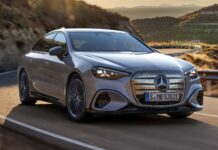
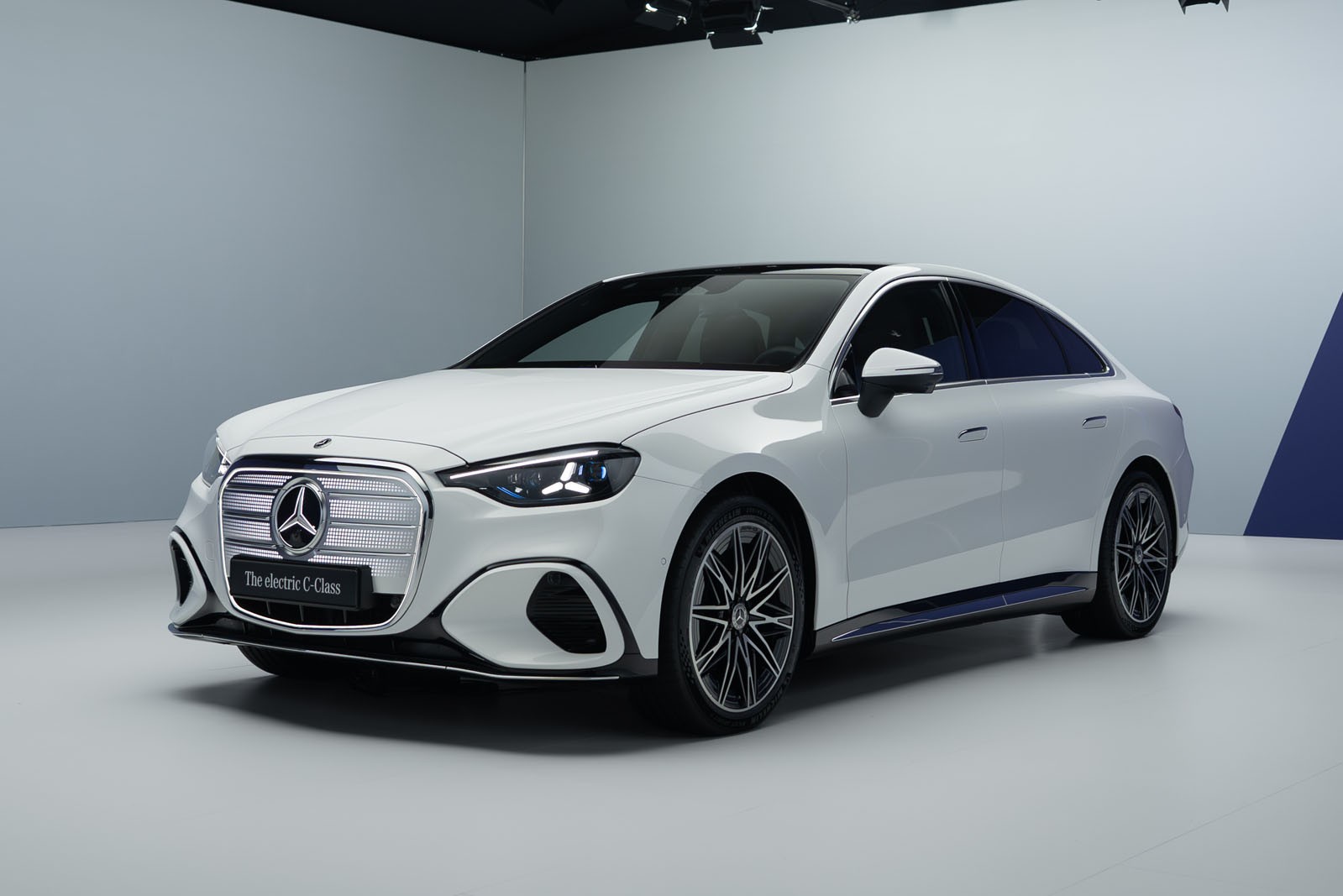
Designed on the new MB.EA platform, the electric C-Class retains the classic proportions of a traditional saloon. According to Robert Lesnik, Mercedes’ head of exterior design, the brand is moving toward a unified aesthetic where the powertrain no longer dictates the car’s shape.
Key design changes include:
* Traditional Proportions: Unlike previous EVs with a “cab-forward” look, this model maintains a standard front-end height to preserve a sense of “status and presence.”
* Iconic Branding: The car features a large, illuminated grille—a design element intended to serve as a visual signature across both electric and combustion models.
* Visual Continuity: The styling aims to make the transition from an ICE C-Class to an electric one feel seamless rather than jarring.
Performance and Market Positioning
The C-Class EV is positioned to compete directly with BMW’s recently revealed i3. It occupies a vital middle ground in the Mercedes lineup, sitting above the smaller CLA and serving as the technological precursor to a larger electric E-Class expected next year.
Initial Specifications and Launch
The rollout will begin in the UK later this year with a focus on high-performance versatility:
* Primary Model: The initial launch will feature the dual-motor 400 4Matic, offering all-wheel drive.
* Range: The vehicle boasts an impressive estimated range of 472 miles.
* Pricing: The entry point is expected to be under £60,000.
* Future Variants: Mercedes plans to expand the lineup later with single-motor long-range versions and dedicated high-performance models.
Why This Shift Matters
This move represents a broader trend in the automotive industry. While early EV pioneers prioritized “futuristic” aesthetics to signal a technological revolution, many luxury buyers still prefer the prestige and familiar silhouettes of classic luxury sedans. By making their EVs look like their ICE siblings, Mercedes-Benz is attempting to reduce the “barrier to entry” for traditional luxury owners, proving that going electric does not require sacrificing a classic driving identity.
“There is no differentiation between the combustion-engined car and electric car… This car has the same-height front end as a combustion car. It’s not lower… It has more status and presence.” — Robert Lesnik, Head of Exterior Design at Mercedes
Conclusion
By blending high-range electric performance with a traditional design language, Mercedes-Benz is attempting to normalize the electric transition for luxury consumers. The C-Class EV signals the end of the “distinctly electric” era in favor of a unified, brand-consistent aesthetic.