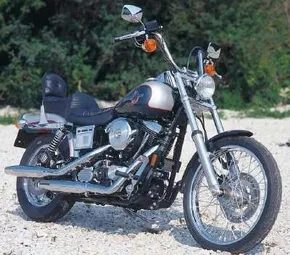
Harley-Davidson has survived near-death experiences more times than most startups. By 1993, the Milwaukee brand was back from the brink. Orders piled up. Dealers struggled to keep stock. And when the company needed a hero to celebrate its 90th anniversary, it didn’t reach for a retro revival. It reached for a modern reinterpretation. The 1993 Harley-Davidson FXDWG Wide Glide wasn’t just a commemorative bike. It was a statement.
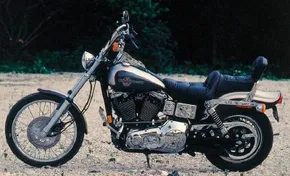
The original Wide Glide debuted in 1980. It looked aggressive. Flamed “Fat Bob” gas tank. Ape hanger handlebars. Forward controls. Bobbed rear fender. Narrow front wheel. Wide-spaced fork tubes gave the model its name. It was pure muscle cruiser.
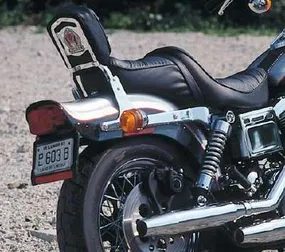
Harley kept the silhouette for the 90th Anniversary Edition. But they updated the details. Flames became a two-tone silver paint scheme. The aggressive stance remained. But under the hood, things changed.
The Evolution V-Twin and Belt Drive Difference
Beneath the custom styling lay Harley’s standard mechanicals. Modern suspension. Disc brakes. And the thumping 80-cubic-inch Evolution V-twin. This engine was workhorse. It delivered power with reliability.
The original 1980 Wide Glide used a chain drive. Chains need lubrication. They stretch. They wear. They make noise.
The 1993 FXDWG Wide Glide motorcycle replaced the chain with a silent-running, maintenance-free belt drive. This wasn’t just cosmetic. It was a significant upgrade. Riders didn’t need to adjust tension. They didn’t need to grease links. The belt ran clean. It ran quiet.
For enthusiasts, this shift marked a turning point. Harley moved away from the high-maintenance chains of the past. The belt drive became a hallmark of reliability. It signaled that the brand had evolved. It wasn’t just about style anymore. It was about substance.
Why the 1993 Wide Glide Matters
To those who know Harley history, the 90th Anniversary model is more than a badge. It’s a survivor’s tale. Harley looked extinct in the early 1980s. Sales dropped. Production slowed. But by 1993, the tables turned. Demand outstripped supply.
The 1993 FXDWG Wide Glide added to this surge. It wasn’t just a collector’s item. It was a daily rider. It combined classic aesthetics with modern convenience. The belt drive reduced upkeep. The V-twin delivered torque. The silver paint set it apart from the flame jobs of the past.
This wasn’t a limited run meant to sit in a garage. It was a bike for the road. For the rider who wanted style without the chain grease. For the enthusiast who valued the Evolution engine’s reputation. The 1993 model bridged the gap between heritage and innovation.
It’s rare to find a bike that captures a brand’s resilience in one chassis. The Wide Glide did. It looked back at 1980. It looked forward to the future. And it did it with a belt that never needed adjusting.
The silver
The Mechanics Under the Skin
The 1993 Harley-Davidson FXDWG Wide Glide hid a lot of innovation behind that aggressive, custom look. Most people saw the stretched front end and the wide stance and assumed it was all about style. They were wrong. Beneath the custom styling, the bike relied on standard Harley mechanicals that were actually quite advanced for the era. It wasn’t just a big cruiser. It was a tech upgrade wrapped in chrome and black paint.
Modern Suspension and Braking
Harley had been playing catch-up with the Japanese manufacturers for years. The Wide Glide closed that gap by integrating modern suspension components. You didn’t get the old, soft rubber-mounted rear shocks of the past. Instead, you got a setup that handled weight and curves far better than previous models.
Braking was another area where this bike pulled ahead. The disc brakes provided serious stopping power. You could actually trust them in wet conditions. That’s not something you could say about every cruiser from the late eighties. The hydraulic disc system gave you modulation. You pulled the lever and felt immediate feedback. No more pumping the brakes and hoping for the best.
The 80-Cubic-Inch Evolution Engine
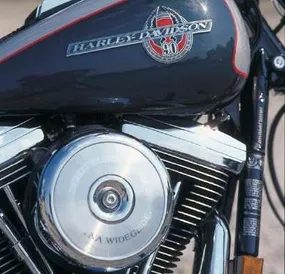
The heart of the machine was the Evolution V-twin. This engine displacement came in at 80 cubic inches. That is roughly 1,340cc of air-cooled horsepower. It was torque-heavy. The power delivery was smooth and low-end focused, perfect for rolling out of parking lots or cruising on the highway.
This wasn’t the old Twin Cam. It wasn’t even the earlier Evolution engine that had some durability issues. The 1993 model year refined this block. It ran cooler. It breathed better. The cylinder heads were revised to improve airflow. You got more torque at lower RPMs. That made passing easier. You didn’t have to rev the engine to the redline to get out of the way of traffic.
Why This Matters Now
Collectors often overlook the mechanical specs in favor of the visual impact. They see the Wide Glide and think “custom.” But the 1993 FXDWG was a significant step for Harley-Davidson. It proved that American motorcycles could adopt modern engineering without losing their soul. The suspension handled the weight. The brakes stopped the mass. The engine provided the muscle.
The combination created a riding experience that was far more composed than its predecessors. It wasn’t just a loud bike with a big tank. It was a refined machine. And that refinement is what keeps these models interesting today. You can still buy parts for it. You can still ride it safely. The engineering held up.
The 1993 Wide Glide wasn’t just about looking tough. It was about riding smarter.
Some riders still prefer the older, softer rides. They like the vibration. They like the way the old shocks bounce over bumps. But the Wide Glide offered control. You could lean into corners without feeling like you were going to slide out. You could stop on a dime. The engine responded instantly to throttle inputs.
There is a reason why these bikes are gaining traction in the used market. Not just because they look cool. But because they were built differently. They were built with a focus on performance, not just aesthetics. The 80-cubic-inch Evolution engine still runs strong. The
Where to Ride Next
You want more bikes? The links above are your best bet.
- Classic Motorcycles: Vintage metal. Stories of iron and oil.
- How Motorcycles Work: The mechanics behind the madness.
- Harley-Davidson Motorcycles: American icons. Heavy chrome. Loud exhaust.
No fluff. Just rides.