In the past, if you wanted to know how dirty your car was, you looked at the exhaust pipe. that’s it. Now BMW is changing the script. With the latest update to the My BMW App, owners can see their vehicle’s complete carbon footprint in real time. It’s not just an exhaust problem. This is cradle-to-grave transparency.
This is a small step in interfaces, but a giant leap in environmental awareness.
In addition to tailpipe emissions
BMW is a pioneer in this matter. This new feature reveals the total amount of CO2 emissions over the life of the vehicle. We are talking about production. logistics. For daily use. Even end-of-life disposal.
Previous approaches were reductive. Only exhaust gas emissions are calculated. This new approach is holistic. So we need to take a closer look at the real costs of mobility.
Users can access detailed update information. These figures are adjusted based on the specific model, powertrain and personal driving habits. The goal is twofold: accountability and validation. BMW wants to show that its new electric and hybrid models are much cleaner than some critics think. This is supported by certified data and a complete life cycle analysis.
Why this matters to owners
Consumers are asking more. They want evidence. By providing such detailed information, BMW aims to give drivers peace of mind. Responds to the growing demand for environmental transparency.
You can now see exactly how your choices affect the planet. Not only when you drive the car, but also when your car is manufactured and eventually disposed of. This changes the conversation from simple fuel efficiency to complete environmental responsibility.
The application makes the invisible visible. Convert abstract concepts like “manufacturing emissions” into concrete data points. For hobbyists who value efficiency, this adds another layer of tracking metrics. It’s not just about horsepower anymore. This relates to CO2 emissions per kilometer over the life of the asset.
This is not a trick. This is a response to a market that understands all the costs of ownership. Whether you drive a combustion engine, a plug-in hybrid or an all-electric car, the information is there. Honest. The way we think about each kilometer changes.
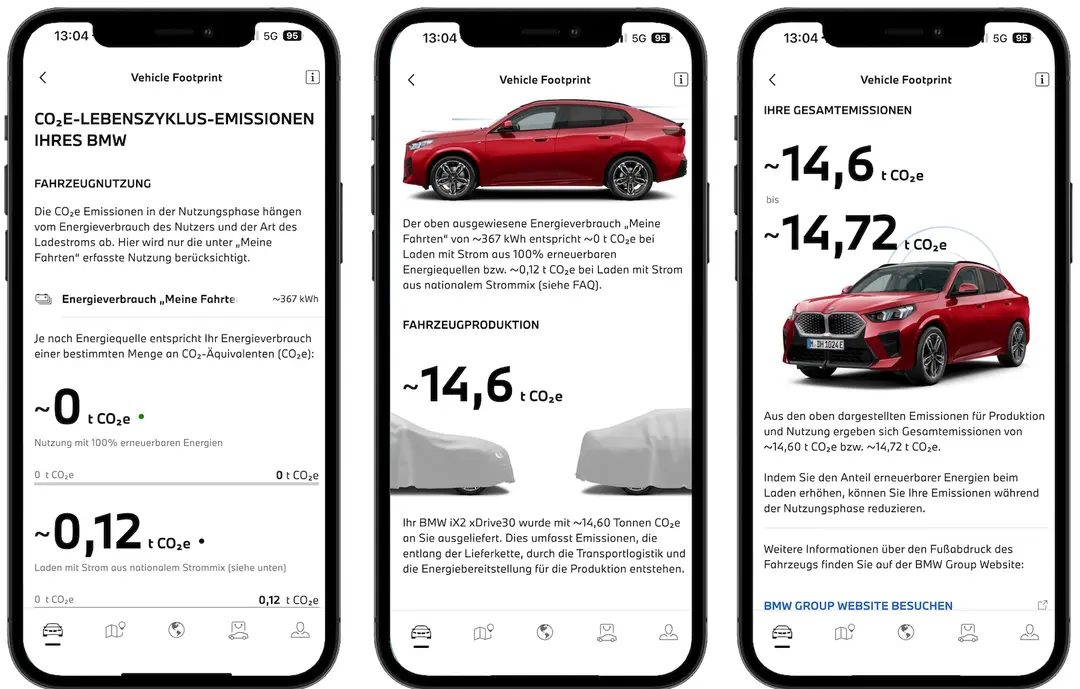
The dynamic between the driver and the manufacturer has changed. Proprietary data previously locked in the factory database is now visible to the driver. BMW pushes this real-time environmental impact of the vehicle into the cockpit, forcing us to rethink how we drive and what we buy. This is not just a marketing ploy. This is a direct communication channel with users and allows them to monitor the carbon footprint of a particular vehicle over time. You can see the numbers. You are the one who shapes your habits. The feedback loop is immediate.
For BMW, this is a strategic move. This confirms the company’s significant investments in ecological design, electrification and sustainable manufacturing. The brand shouts about its commitment to the environment and quietly educates its customer base. It’s not just about buying a car. You buy into a lifecycle.
Will other car manufacturers follow suit?
BMW may have just set the industry benchmark. The question is whether the others will catch up. Mercedes-Benz, Tesla and Volvo all are watching. Regulatory pressures are increasing. Consumer demand for honesty continues to grow. The entire industry may have to offer this level of transparency in the near future.
BMW is currently in the lead. They provide tools to understand the planetary impact on the planet. These create the basis for a truly sustainable mobility model. But the rest of the pack is closing in. Dashboards are no longer just about speed and fuel. This is for conscience. This changes the whole way we think about machines.