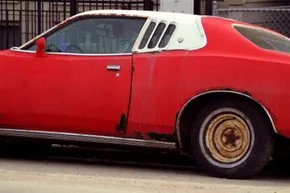
The engine oil must be changed immediately. You rotate the tires. Check the fluid. But if you ignore this enemy that silently crawls inside your car’s structure, you’re wasting your money. Rust is not just an eyesore. This is a structural threat. If left unchecked, panels can corrode, weaken the frame and turn your trusty daily driver into a liability.
Let’s solve the mystery. What really happens under the paint?
Electrochemistry of Decay
Rust is iron oxide. Technically, it is a molecule consisting of two iron atoms and three oxygen atoms. But in reality this is the visible result of an electrochemical process called corrosion. This is not magic. This is physics.
Three specific elements are required for rust to form.
1. Anode.
2. Cathode.
3. electrolyte.
Think of an anode as a metal that gives up electrons when the conditions are right. The cathode is the metal that accepts them. electrolyte are liquid bridges that allow these electrons to move.
As electrons flow from the anode to the cathode through the electrolyte, the anode begins to corrode. If the metal contains iron, it will rust. As a metal weakens, its strength decreases. Rusty frames just don’t look bad. It fails.
Where rust hides (and how to find it)
Your car is a maze of possible weaknesses. Some areas are more vulnerable than others. The main targets are the engine compartment, frame, chassis, exhaust system and even the trunk. Don’t forget the undercarriage. Road salt and moisture collect there, creating the perfect environment for corrosion.
The use of accessories increases the risk even more. Trailer hitches, roof racks and aftermarket spoilers can trap moisture against the body. Even painted surfaces are not safe. A stone chip exposes bare metal. Once the seal is broken, the electrochemical process begins.
Prevention is better than cure
Rust removal is expensive. This takes time. Often requires cutting, welding and repainting. Prevention is infinitely cheaper. An ounce of prevention is worth a pound of cure. This is more than just a statement. This is a financial fact for every car owner.
Specific corrosion-promoting conditions are analyzed in detail. We look at practical steps to stop it before it starts. If you see signs of rust, we’ll tell you how to deal with it before it spreads. Because ignoring it won’t make it go away. This just makes the repair bill even more expensive.