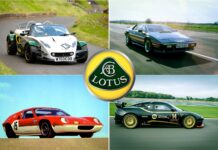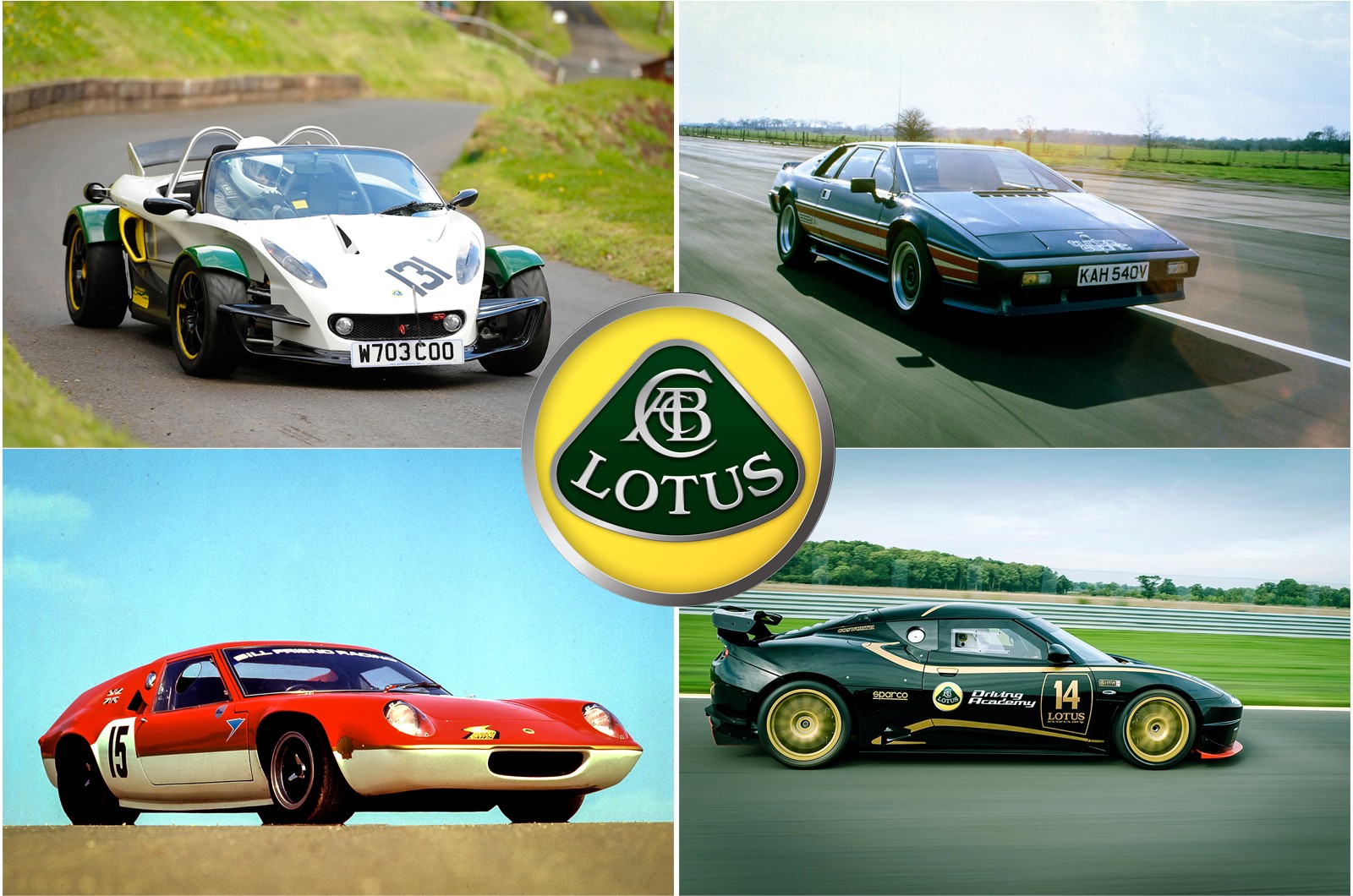
Colin Chapman started this thing in 1952, and yeah, it worked. For decades, Lotus built British sports cars that people actually wanted.
Not just dream cars, real ones. But which ones moved? Which ones sat on shelves? Here’s the breakdown. No fluff, just sales figures and the weird reasons why they sold.
We’re looking at the biggest movers.
The Big Ten (In Ascending Order of Pain)
10: Lotus Seven (1957–73) — 2,477 Sold
It’s simple. Open top. Two seats. That’s it.
Chapman’s brainchild was a weekend warrior. Drive to work Tuesday, qualify for a race Saturday. It was raw. Some owners went full madman, building their own from a box of parts to dodge the taxman.
9: Lotus Esprit (1974–90) — 2,919 Sold
Hollywood did it.
Literally. Parked it outside Albert “Cubby” Broccoli’s London office. He saw it. James Bond got it. The Spy Who Loved Me rolled around in it, and suddenly, everyone wanted the wavy plastic thing. It had good handling, sure. But free advertising? Priceless. Though, no, the torpedoes don’t work. Don’t bother asking.
8: Lotus Exige 2S (2006–2011) — 3,306 Sold
Born on track, sold on street.
Toyota engine, supercharged, angry face. Track-day drivers love it because it’s sharper than a razor blade and louder than a shout. People bought them, then stripped the seats, then bought them again.
7: Lotus Elise Series 2 (2002–2006) — 4,535 Sold
GM money made this possible.
Same soul as the original, just louder interior and better looks. The Vauxhall VX220 wore the same face in Europe. It looked like it meant business.
6: Lotus Elan (1989–1992) & Elan S2 (1,994–1995) — 4,655 Sold
Front-wheel drive? For a Lotus?
First time, and last. General Motors put up the cash. An Isuzu engine ran it—reliable, boring, functional. Turbo option if you liked it mean. They couldn’t make the numbers work, so they sold the rights to Kia. Kia kept it running for another three years. Strange family tree.
5: Lotus Elan+2 (1967–1974) — 5,168 Sold
Add a foot of space, sell a few more.
The name says it all. Two rear seats squeezed into the back. More weight needed more power, so they shoved a bigger twin-cam in. No kits available this time. You bought a car, not a Lego set. Reliability went up because people actually used tools, not glue.
4: Lotus Elise S1 (1,996–2,001) — 8,613 Sold
This saved the company.
Bankruptcy was looming, and the Elise stared it in the eye and blinked last. Getting in felt like crawling over a wall, getting out involved folding up the roof while sweating through a shirt, but you’d do it for the steering.
Weight low. Feedback high. Love affair.
3: Lotus Elise Series 2 111S/R (2003–2010) — 8,628 Sold
Japan helped here too.
Toyota again. The 111S (and 111R, a tighter sibling) pushed out more horsepower and got an extra gear ratio. Crucial part? The emissions. Previous engines were too dirty for the USA. Toyota’s tech got Lotus back into American showrooms.
Sales don’t mean everything, of course.
Maybe the 1,400-odd Evija owners feel pretty smug about that exclusivity. Or the 72 people who bought an Elite. Numbers tell a story, sure. They just aren’t always the story you expected to read. 🏎️