The 2026 motorcycle market is loud. Radar tech costs less than the price of a used sedan. Ducati makes practical sport bikes that don’t scare you to death. But amidst this rush of new gadgets and inflated price tags, one motorcycle keeps defying logic.
It’s a 27-year-old formula from Suzuki. It looks like an exotic Italian machine. It rides with a refinement that modern bikes often forget. And you can buy it for under $10,0 Under $8,200, even.
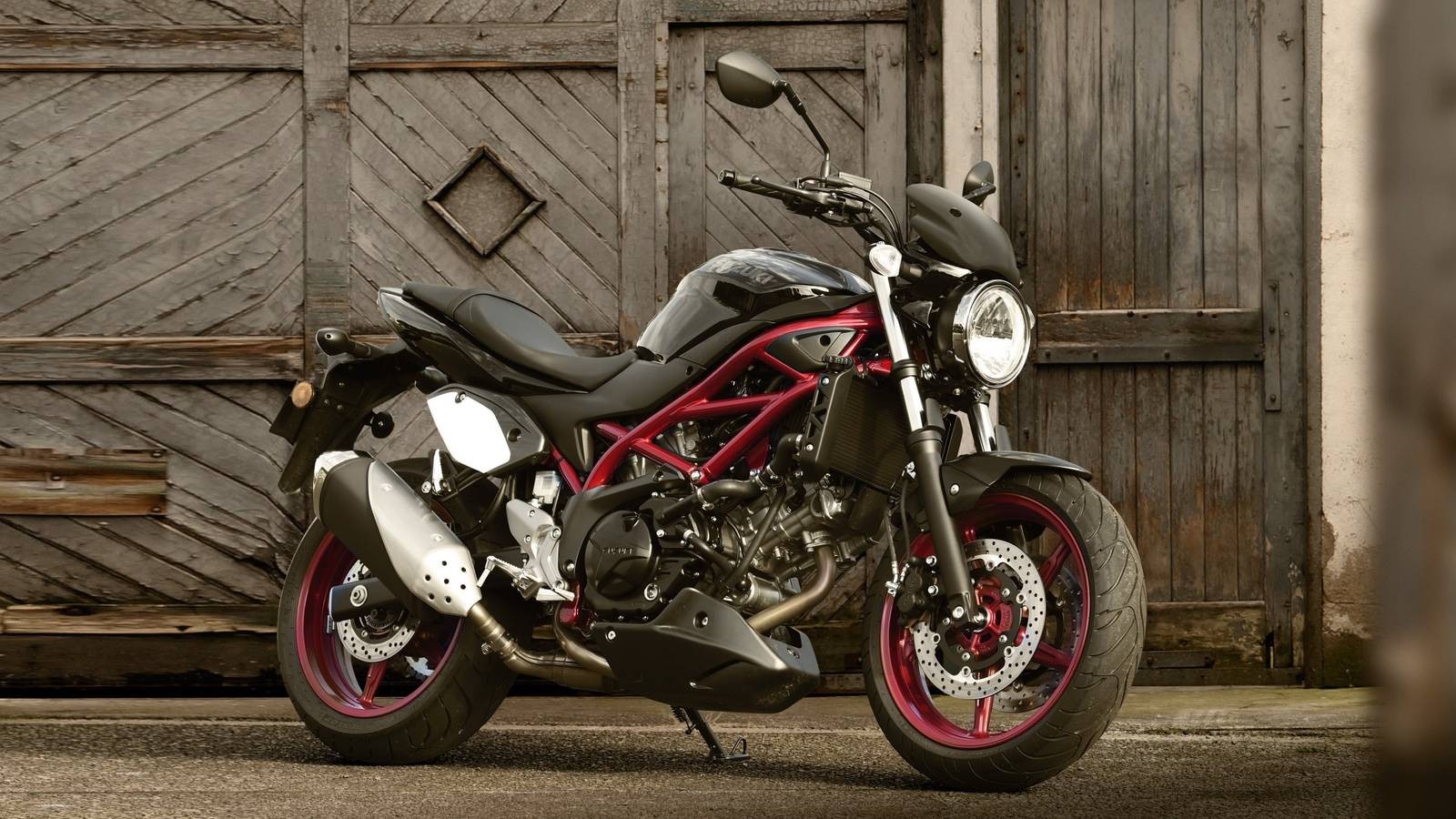
We aren’t talking about a hypercar of a bike. We are talking about the Suzuki SV650. While everyone chases the latest spec sheet updates, the SV650 sits there. Quiet. Capable. Weirdly perfect.
Suzuki’s Strategy Is Refinement Over Flash
Suzuki is the odd one out among the Japanese big four. Honda, Yamaha, and Kawasaki chase tech. They add screens, ride-by-wire, AI integration. Suzuki? They tweak what already works.
Remember the hype around the new Hayabusa? People expected turbocharging. Active aerodynamics. Rocket fuel. Instead, Suzuki gave us better ergonomics. Lighter weight distribution. A more refined engine.
Some call it boring.
I call it stress-free ownership.
This approach builds trust. The V-Strom line doesn’t change much, yet it lasts forever. The GSX-S series rides old GSX-R engines to provide sport-touring comfort at a price that hurts rivals. Even the 20-year-old Boulevard M109R still crushes Harley-Davidson cruisers in power and presence.
But the crown jewel of this strategy? The SV650.
It isn’t the fastest. It isn’t the smartest. But it offers a blend of style and reliability that no other streetfighter in its class can touch.
What Makes The Suzuki SV650 Unique?
Price: $8,149
The SV650 survives on consistency. Its core platform dates back nearly three decades. Suzuki has tweaked it, yes. Fresh colors. Minor engine updates. But the soul remains identical to the original.
“The secret is sticking to a simple formula.”
Most modern motorcycles try to be everything to everyone. The SV650 accepts its niche. It looks Italian. It rides Japanese. It feels affordable.
The design alone deserves respect. Exposed trellis frame? Check. Naked engine as the centerpiece? Check. Round headlamp with retro cues? Double check. It borrows heavily from the OG Ducati Monster vibe. But while Ducati demands a premium, Suzuki hands you the keys for less than many modern commuter cars.
It’s compact. It’s light. It doesn’t pretend to be a race bike.
Specs And Ride Quality Of The Best Streetfighter
Let’s look at the numbers, because they tell a different story than the brochure implies.
- Engine : 645cc V-Twin
- Power : 75 HP / 47 lb-ft Torque
- Weight : 437 lbs (curb)
- Seat Height : 30.9 inches
- Price : ~$8,150
That engine is legendary. It powers the new SV-7GX crossover now. It’s tuned for mid-range torque. You don’t need high RPMs to get moving. The torque arrives early. Around 3,000 rpm, it pulls. It feels meaty.
The chassis is equally balanced. 41mm telescopic forks up front. Adjustable rear monoshock. Brakes use twin 290mm discs with four-piston Tokico calipers. It’s not race-grade hardware. It’s street-grade reliability.
The bike fits everywhere. The wheelbase is under 57 inches. It’s narrow enough for city traffic. Light enough for a daily ride. The rider position is relaxed but slightly forward. It encourages engagement without causing back pain.
You get fun without the complexity.
Honda CB750 Hornets: A Tougher Rival Emerges
In 2026, the competition finally stepped up.
The new Honda CB750 Hornet costs $7,999. It is faster. It has a parallel-twin with a 270° firing order that mimics the sound of a triple or a V4. It comes with an electronic clutch (E-Clutch). A TFT screen. Smartphone connectivity. Ride modes.
On paper, Honda wins. Hands down.
So why buy the Suzuki?
Try riding them side-by-side.
The Honda is sharper. It is more technologically stacked. It appeals to the spec-geek in us all. But it lacks charisma.
The SV650 has something the Hornet cannot copy: an exotic aura. The trellis frame isn’t just structure; it’s design language. The V-twin layout is distinct. The ride feels planted and predictable in a way that high-tech bikes often struggle with when sensors intervene.
Plus, the SV650’s maintenance is simpler. There is less software to debug. Less wiring to fail.
Which is more valuable? A flashy screen, or a bike that just works, looks stunning, and costs pennies to maintain?
Final Verdict: Does The SV650 Deserve The Attention?
The motorcycle industry loves new. We are trained to believe that old is obsolete. The SV650 proves that narrative wrong.
It isn’t perfect. The electronics are bare bones. The suspension is standard. You will never lap a track record on it.
But as a street bike? It’s flawless.
It gives you the look of a premium Italian import. It delivers the reliability of a Japanese engineering marvel. And it asks for very little money.
When was the last time a 27-year-old design outshone a brand-new contender in desirability?
Probably never.