There is a silent war going on in America’s garages. On one side, you have the purists, swear that cars made decades ago are bulletproof. On the other side, you have, drivers know that modern machines break down less often. This is not just nostalgia. It’s engineering.
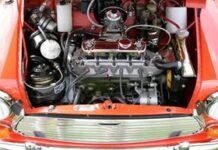
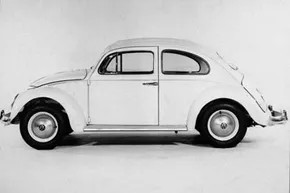
Classic cars like the 1960s Volkswagen Beetle are known for their simplicity. They used air cooling and relies on airflow across the engine block instead of a complex liquid cooling system. Fewer parts means fewer problems. Even the average person can keep these air-cooled engines running with just a wrench. Try that with a 2024 sedan. The difference in complexity is huge. However, not all vintage cars are so easy to fix.
The data suggests a different truth, though. Modern vehicles are more reliable than old vehicles. Look at the “Cash for Clunkers” program from 2009. The government wanted to swap out old inefficient vehicles with new ones to promote economic development and reduce emissions. It was a tacit admission that newer cars are better in terms of performance and efficiency.
Does that mean older cars are trash? No. But this means that the average modern driver faces fewer surprises.
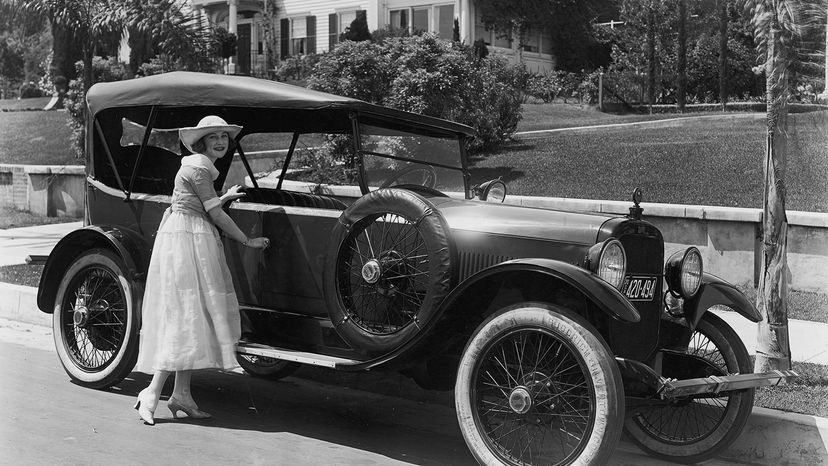
Take the 1989 Saab 900SPG, the record-holder for the most miles driven on a single car. A traveling salesman from Wisconsin drove the car 1,001,385 miles over 17 years before finally retiring it. This is an amazing achievement for a car that is nearly 30 years old. It turns out that with proper care, old cars can last forever. But it also highlights the exception rather than the rule.
Meanwhile, maintenance costs are dropping. In the UK, average car maintenance costs fell by 13% between 1997 and 2009. Better reliability means people can keep their cars longer. J.D. Power and Associates reports that the average trade-in age for a US car in 2009 was 73 months. Just three years prior, the number was 65 months. On average, people keep their modern cars almost six years longer.
Why the shift? Part of that is the on-board computer. These systems accurately diagnose problems and enable targeted repairs. But it also introduces new complexities that can be harmful if not properly managed.
The Double-Edged Sword of Electronics
The biggest factor in this change in reliability is the integration of on-board computers. These systems monitor everything from fuel injection to transmission shifts. They catch issues early, preventing catastrophic failures. This is a clear advantage for modern drivers.
However, this technology is not without its flaws. A single sensor failure can trigger a series of error codes leaving even seasoned mechanics stumped. The convenience of digital diagnostics comes with the trade-off of dependence on specialized equipment and software.
The double-edged sword of the modern automotive industry
The clean air efforts of the 1970s didn’t just change the way cars breathe. It changes their thinking. New EPA emissions regulations are forcing US manufacturers to move away from purely mechanical systems and adopt electronic control systems. This is no small adjustment. This is a fundamental change that will turn cars into rolling computer networks.
result? The complexity skyrockets. The same goes for the price tag.
Look at the numbers. A 1968 Toyota Corolla costs around $1700. In 2009, the base model cost about $15,000. This is almost 10 times more expensive (adjusted for inflation) than buying the same basic mode of transportation. In return, you get better fuel economy, better safety and better performance. But we also invite a new kind of vulnerability into our garage. The more interdependent a system is, the more likely a failure will bring down the entire system.
Why OBD-II is changing the way repairs are done
For the average driver, this story is interesting. Modern engines are not silent, even when they break down. The OBD-II system was standardized by the Society of Automotive Engineers in the 1980s and mandated in 1996, giving mechanics a direct connection to the car’s brain.
Do you see the “check engine” light? That’s what the car is talking about. The mechanic connects the scanner to the port and the vehicle prints a diagnostic code. Codes are cross-referenced to an extensive database to pinpointing the issue with surgical accuracy. No more guessing. No more replacing parts one by one in a desperate search for the culprit.
This digital transparency makes the initial diagnosis cheaper and faster. You don’t pay for a mechanic’s intuition. You pay for a mechanic’s intuition. You pay for their expertise to solve a specific problem.
Hidden costs of packed hoods
However, don’t let the simple diagnosis fool you into thinking that repairs are cheap. Repairs on modern cars are usually more expensive than repairs on older cars. Why? Space.
Engineers have become wizards at packing more technology. Sensors, computers, actuators – they all require space. This density makes labor-intensive work a nightmare. Replacing simple parts may require removing the entire dash or engine mounts. Because cars are complicated to drive efficiently, they are also a pain to repair.
The costs of repairing accidents have also increased significantly. Managing sensors and electronic modules in a modern bumper or fender is much more expensive than welding sheet metal together. This bill reflects the difficulty of restoring a highly integrated system.
Are Modern Cars Actually Better?
Do modern cars have fewer problems? It depends on how you define “problem”.
If you’re thinking, “Isn’t that more environmentally friendly?” the answer is “yes”. Controlling emissions cleans the air significantly.
If you mean “Is it easy to own?” then the data suggests that we are shift toward reliability. According to a 2009 J.D. Power report on vehicle reliability, modern vehicles actually becoming less problematic for owners over time. The reliability gap is closing as manufacturers improve their electronic systems and mechanics have better access to tools like OBD-II.
They are certainly easier to diagnose. They are difficult to deal with. And it’s even more expensive to buy. Whether this tradeoff is worth it depends on your tolerance for complexity and your desire for performance and efficiency. The check engine light might be flashing, but at least you know exactly what it’s saying.