
We’ve all been there. I tried to carry a mountain of shopping bags, but I saw milk exploding on the sidewalk and apples being crushed. Or maybe you’re trying to pack enough books and boxes into your sedan and it feels like a failed game of Tetris. My hands are getting tired. My back hurts. The trip home was more of a test of endurance than the trip to work.
Cars, trucks and SUVs face the same physical challenges. These are not magical cargo holds. Packing it beyond the limits stresses the engine, transmission, suspension and brakes. It’s not just about whether the vehicle can “move” the load. It all depends on whether you can stop safely.
Ignoring load limits can turn a simple task into a dangerous one. to you. For passengers. For everyone else on the road.
So what is payload? It’s not just thrown in the trunk. Payload is the total weight of everything in the vehicle. This includes cargo, fuel and passengers. If you forget to calculate the number of people in your car, you are already overestimating the passenger capacity.
Knowing the exact load capacity of your vehicle can be the difference between a safe trip and a breakdown. It shows how much you can actually store. It tells you how many trips you have to make. Avoid treating your SUV like a freight train.
Let’s take a closer look at how this number is calculated so you can stop guessing and start downloading with confidence.
Mathematics behind the magic
You might think that load capacity is just a number on a sticker on the door frame. this is. However, this number is the result of subtraction. In order to check load capacity, you need to know the difference between the vehicle’s design capacity and its current weight.
All vehicles have a GVWR (Gross Vehicle Weight Rating). This is the maximum total weight that the vehicle is designed to carry, including the vehicle itself, passengers, cargo and fuel. This is a severe limitation. If this is exceeded, there is a risk of structural damage and brake failure.
To get the available payload:
- Find the GVWR. Look for the yellow and white tire and load information plate on the driver’s side door frame.
- Find the weight of the vehicle. This is the weight of the vehicle with all standard equipment, a full tank of fuel and no passengers or luggage. You can find it in the user manual or online.
- Subtract vehicle weight from GVWR.
As a result, the maximum load capacity is determined.
“Load capacity includes everything in the car: driver, children, dog and everything you carry to the garage.”
But there is a problem. The weight of the vehicle mentioned in the manual is usually a baseline. This quantity may vary due to accessories, aftermarket parts and regional differences. To get the most accurate numbers, you need to weigh your vehicle.
Who Counts as Weight?
这是大多数人搞砸的地方。 他们把行李箱装满,并认为一切都很好。 他们忘记了人类是沉重的。
成年人的平均体重在 150 至 200 磅之间。 乘以四到五名乘客。 您刚刚从 600 燃烧到 1.0
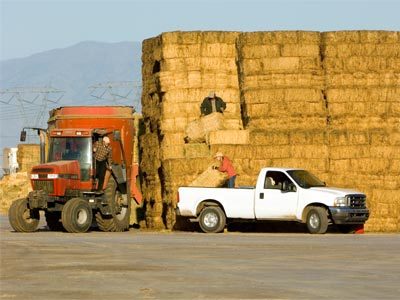

Math becomes very easy once you understand the numbers. You need the gross curb weight rating (GVWR) and the curb weight. Pull one from the other. As a result, you can now practically throw it in the backseat without breaking the laws of physics or the vehicle’s suspension.
GVWR is not a proposal. This is the absolute upper limit set by the manufacturer. It covers everything: steel, glass, fluids (oil, coolant, full tanks of gas), all passengers, all bags of dog food. This number can be found on a sticker on the driver’s side door frame or in the owner’s manual.
The weight of the vehicle is the basic weight. This is the weight of the car when it is empty and ready to drive. Fuel is full. No people. No cargo.
Calculation
“”
GVWR – Curb Weight = Payload
“”
Drive a regular midsize truck. Let’s say the GVWR is listed at 6,500 lbs. The curb weight? Probably 5,200 pounds.
6500 minus 5200 equals 1,300 pounds.
1,300 pounds is a tough limit. That seems like a lot. It isn’t. That 1,300 pounds should fit you, the co-driver, a few hundred pounds in your toolbox, your truck cap, and whatever else you’re carrying. Do the calculations before you load up.
Why truck capacity is more important than SUV capacity
People think that SUVs and trucks are interchangeable. They aren’t. This difference changes the calculation of the actual usable weight.
SUVs are built on a car platform. They prioritize comfort and passenger space. Although they typically have a high payload for their size, they have a low GVWR because they are not designed to tow heavy loads or transport dense industrial materials. Calculating the carrying capacity of your SUV is easy when transporting skis and camping gear. You fit the gear. You go.
Trucks are different. They are the workhorses. Because the frame, suspension and bed are designed for strength rather than lightness, pickup truck loads are often tighter than you’d expect As the structure of the truck itself (the weight of the vehicle) increases, there is less space left for loading cargo. Although large diesel pickups have a higher GVWR, their actual payload may be lower than that of smaller and lighter vehicles due to the significantly greater weight.
This is where people get burned. They see the rating “Class 1” on the door sticker and assume it can carry two tons of gravel. You can’t do that. The suspension will bottom out. The brakes no longer work. The frame is distorted.
Where to find the numbers
No need to guess. The manufacturer did the heavy lifting for us.
- Door frame sticker: Locate the yellow or white sticker on the driver’s side B-pillar. VIN, tire pressures, GVWR and GAWR (Gross Axle Weight Rating) are listed.
- Owner’s Guide: Usually located in the Specifications section.
- Online Databases: Websites such as Edmunds, Kelley Blue Book, or manufacturer-specific configurators list this information.
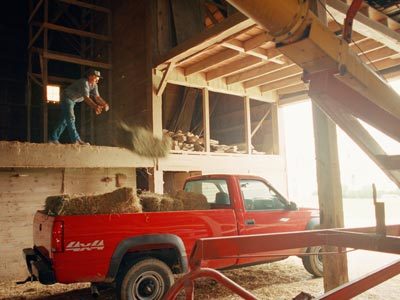
Payload in a truck is a different beast entirely compared to what you haul in a sedan or SUV. You aren’t going to fit a sheet of plywood inside a compact hatchback. Conversely, a heavy-duty rig is overkill for a few bags of dog food.
Trucks generally handle heavier loads. In the U.S., classification hinges on the Gross Vehicle Weight Rating (GVWR). The government splits these into eight specific classes based on maximum weight.
| Weight Class | GVWR |
|---|---|
| Class 1 | 6,000 lbs (2,722 kg) |
| Class 2 | 10,000 lbs (4,536 kg) |
| Class 3 | 14,000 lbs (6,350 kg) |
| Class 4 | 16,000 lbs (7,258 kg) |
| Class 5 | 19,500 lbs (8,845 kg) |
| Class 6 | 26,000 lbs (11,793 kg) |
| Class 7 | 33,000 lbs (14,969 kg) |
| Class 8 | Above 33,000 lbs |
The Department of Transportation groups these into broader buckets. Classes 1 and 2 are light-duty. Classes 3 through 5 are medium-duty. Class 6 and up are heavy-duty. Knowing your truck’s spot in this hierarchy helps you figure out how much extra weight you can safely carry without wrecking the suspension or violating regulations.
Car Payload
What about the rest of the fleet? Cars and SUVs have their own payload limits, but they operate on a much smaller scale. The same principles apply.
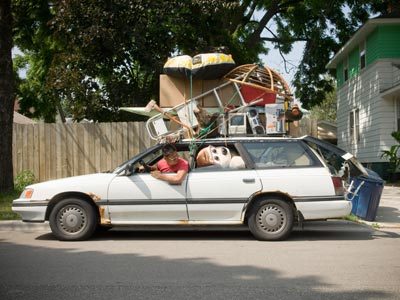
The Car Conundrum
Drivers rarely treat payload as a serious logistical hurdle. A family loading up for a cross-country trip isn’t running calculations on whether the minivan has the necessary capacity for the kids, the luggage, and the cooler. That’s because passenger cars generally have much lower payload limits compared to trucks. Sure, some items are heavy. But anything heavy enough to actually break a car’s payload limit usually won’t fit inside the cabin or trunk anyway. You’re physically restricted by space before you hit the weight ceiling.
Still, ignoring payload is a mistake if you want a smooth, safe trip. The most common oversight? Forgetting that people count as cargo. Manufacturers don’t just list the weight of the vehicle; they allocate a specific weight budget for occupants. The industry standard baseline is 150 pounds (68 kilograms) per seating position.
This changes how you view an empty car. If your rear bench is designed for three passengers but currently holds none, you haven’t “freed up” three people. You’ve freed up 450 pounds (204 kilograms) in payload capacity. That’s the exact amount of gear, fuel, and accessories you can load before the suspension sags, the brakes struggle, or handling degrades. Treat every empty seat as a 150-pound slot waiting to be filled.
SUV Payload
SUVs operate on a different scale. They are built to haul more mass, which means their payload numbers are significantly higher. But higher limits don’t mean you can throw everything in the back without consequence. As we look at how payload works for these larger vehicles, the principles remain the same, even if the numbers change.
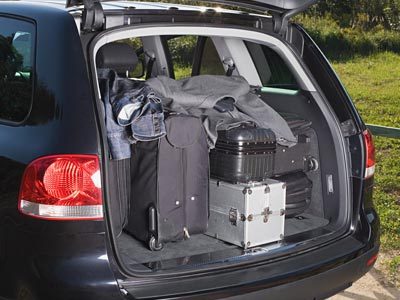
Most drivers consider sport work truck as a compromise of a hybrid vehicle. You get the hauling utility of a pick-up truck without sacrificing the interior comfort of a sedan. But the reality of SUV cargo capacity is somewhere in the middle. These vehicles can carry more cargo than regular cars, but they don’t have the raw power of work truck.
The flexibility of storage is undeniable. Folding the rear seats forward creates a spacious, flat trunk. Perfect for large, heavy gear that won’t fit on a hatchback. However, physics has its limits. SUVs have roofs. You cannot stack products indefinitely.
Additionally, overloading your SUV can cause disaster. It is dangerous to think of these vehicles as invincible carriers. Their high center of gravity makes them prone to rollover, especially as the weight distribution shifts upwards. An overloaded SUV is not only difficult to stop; it can flip.
Manufacturers also take note. Consumer concern has led to the widespread use of electronic stability control systems. Regulation is not far away. Since September 2004, the National Highway Traffic Safety Administration (NHTSA) has required vehicles with a gross vehicle weight rating (GVWR) of less than 10,000 pounds to display tire and load information labels on the door frames. This sticker indicates the combined weight of passengers and cargo. Ignoring it is not just negligence. This is illegal according to safety standards.
But what if you need move more? Can you cheat the system?
Can You Increase the cargo capacity of my SUV?
The short answer is “no”. Simply installing a stronger suspension or changing tires cannot legally or safely increase a vehicle’s carrying capacity beyond the manufacturer’s limits. GVWR is a hard limit. It is calculated by subtracting the curb weight of the vehicle from the maximum permissible weight.
Many enthusiasts look to aftermarket upgrades to get around this limitation. A lift kit, heavy duty shock absorbers or upgraded springs can be fitted. These changes may improve ride comfort and off-road performance, but do not increase load capacity. In fact, the increased weight of the suspension components slightly reduces the available load capacity.
You may have heard of people who carrying more than the label says. They did it. Some people got away with it for a while. However, the structural integrity of the frame, the stopping power of the rotor and the braking distance of the tires are designed for a certain maximum load. Exceeding this limit will void your warranty and endanger your safety.
If you often have to transport more goods than the nominal capacity of your SUV, the solution isn’t modification. This is a different vehicle. A pick-up truck or a van with a payload package is made for this purpose. SUVs are designed for versatility, not brute force.
Suspension damage and skid marks are common when you’re trying to perform like a workhorse. Restrictions are there for a reason. They are not suggestions. These are the boundaries between safe transportation and highway accidents.
So check the door frame. Weigh your gear. You leave some at home. It’s not the most exciting way to drive, but it keeps you on the road.
Can You Override the Payload Limit?
Knowing your vehicle’s payload capacity is great, but what if you wanted to carry even more? Is that possible? What if you see a truck you really want, but its payload capacity isn’t enough?
Truck manufacturers almost always offer optional towing packages for their vehicles. What’s in these packages can vary from one company to the next, but they typically increase the performance of the tow vehicle and include extra tools for better towing. For instance, a truck with a towing package might come with a trailer wiring harness, a heavy-duty hitch and safety chains. The manufacturer might also install a bigger engine, stronger brakes and a better cooling system for overall increased performance.
Remember, overloading a vehicle with too much payload is a dangerous situation, one that can harm you, your passengers and other drivers. If a police officer pulls you over and determines that your vehicle is overloaded, it’s possible that you may get a ticket for unsafely loading a vehicle — something no one ever enjoys.
Payload List
Depending on the make and model year of your car or truck, you may be able to find your vehicle’s payload on the following chart.
Browse by Make
– Acura
-
Audi
-
BMW
-
Buick
-
Cadillac
-
Chevrolet
-
Chrysler
-
Dodge
-
Ford
-
GMC
-
Honda
-
HUMMER
-
Hyundai
-
Infiniti
-
Isuzu
-
Jaguar
-
Jeep
-
Kia
-
Land Rover
-
Lexus
-
Lincoln
-
Mazda
-
Mercedes-Benz
-
Mercury
-
MINI
-
Mitsubishi
-
Nissan
-
Pontiac
-
Porsche
-
Saab
-
Saturn
-
Scion
-
smart
-
Subaru
-
Suzuki
-
Toyota
-
Volkswagen
-
Volvo
Acura Payload
| Year | Model | Max Payload (lbs) |
|---|---|---|
| 2006 | MDX | – |
| RL | – | |
| RSX | – | |
| TL | – | |
| TSX | – | |
| 2007 | MDX | 1158 |
| RL | – | |
| RDX | 870 | |
| TL | – | |
| TSX | 850 | |
| 2008 | MDX | 1158 |
| RL | – | |
| RSX | 870 | |
| TL | – | |
| TSX | 850 | |
| 2009 | MDX | 1158 |
| RL | – | |
| RSX | 870 | |
| TSX | 850 |
More Acura Specs:
– Acura GVWR
– Acura GAWR
– Acura GCWR
– Acura Cargo Carrying Capacity
– Acura Curb Weight
– Acura Towing Capacity
Audi Payload
| Year | Model | Max Payload (lbs) |
|---|---|---|
| 2006 | A3 | – |
| A4 | – | |
| A6 | – | |
| A8 | 1213 | |
| S4 | – | |
| TT | 728 | |
| 2007 | A3 | – |
| A4 | – | |
| A6 | – | |
| A8 | – | |
| Q7 | – | |
| RS4 | – | |
| S4 | – | |
| S6 | – | |
| S8 | 1213 | |
| 2008 | A3 | – |
| A4 | – | |
| A5 | – | |
| A6 | – | |
| A8 | – | |
| Q7 | – | |
| R8 | – | |
| RS4 | – | |
| S4 | – | |
| S5 | – | |
| S6 | – | |
| S8 | – | |
| TT | – | |
| 2009 | A3 | – |
| A4 | – | |
| A5 | – | |
| A8 | – | |
| Q7 | – | |
| R8 | – | |
| S4 | – | |
| S5 | – | |
| S8 | – | |
| TT | – |
More Audi Specs:
– Audi GVWR
– Audi GAWR
– Audi GCWR
– Audi Cargo Carrying Capacity
– Audi Curb Weight
– Audi Towing Capacity
BMW Payload
| Year | Model | Max Payload (lbs) |
|---|---|---|
| 2006 | 325 | 1058 |
| 330 | 1058 | |
| 525 | 1102 | |
| 530 | 1102 | |
| 550 | 1102 | |
| 650 | 838 | |
| 750 | 1058 | |
| 760 | – | |
| M3 | – | |
| M5 | 1058 | |
| M6 | 941 | |
| X3 | 1025 | |
| X5 | – | |
| Z4 | 551 | |
| Z4M | 584 | |
| 2007 | 328 | 926 |
| 335 | 1058 | |
| 525 | 1102 | |
| 530 | 1102 | |
| 550 | 1102 | |
| 650 | 838 | |
| 750 | 1058 | |
| 760 | 1058 | |
| Alpina B7 | – | |
| M5 | – | |
| M6 | – | |
| X3 | – | |
| X5 | 1113 | |
| Z4 | 551 | |
| Z4M | 584 | |
| 2008 | 128 | 882 |
| 135 | 882 | |
| 328 | 926 | |
| 335 | 1058 | |
| 528 | 1102 | |
シボレーのペイロード容量の内訳
シボレーの後部座席に実際にどれくらいの荷物が収まるのか考えたことはありますか?数字を見てみましょう。 これらはポンド単位の最大積載量です。 グラフに「-」が表示されている場合、そのモデルの特定のペイロード データはその年のリストにありません。 推測しないでください。ドア枠のステッカーを確認してください。
2006 Chevrolet model
Best of all is the HD pickups. The Silverado 3500 HD can handle up to 5,169 lbs. Even the Silverado 2500 HD weighed in at 3,606 pounds. The lightweight Silverado 1500 weighs 1,913 lbs. The hybrid version’s weight has dropped significantly to 1,162 pounds. Why the hit? Batteries are heavy.
Light trucks tell a different story. Colorado managed 1,532 lbs. The Avalanche 1500 weighs 1387 pounds, while the 2500 version weighs a whopping 2072 pounds. The Suburban 2500 weighs 2,828 lbs. The Tahoe is lightweight at 1522 pounds. Express Truck capacity is 2,306 lbs. HHR weighs 900 lbs. The TrailBlazer EXT has a weight capacity of 1,429 lbs. The standard TrailBlazer weighs 1,194 lbs.
2007 Chevrolet model
The Silverado 1500 Classic kept the high bar of 1,913 pounds. The new Silverado 1500 weighs 1,658 lbs. The 2500 HD weighs 3,458 lbs. The 3500 Classic still weighs in at 5,169 pounds.
The Tahoe actually adds a bit more capacity to 1,835 lbs. Suburban 1500 weight drops to 1,593 lbs. Suburban 2500 weight drops to 2,561 lbs. The Colorado weighs 1,316 lbs. AVALANCHE 1500 Up to 1,258 lbs. Express was steady at 2,306 lbs. Both HHR and HHR Panel have a maximum limit of 900 lbs. The TrailBlazer weighs 1,194 lbs.
2008 Chevrolet model
The Silverado 1500 drops slightly to 1,652 lbs. The Silverado 2500 HD is 3,458 lbs, the same as last year. Silverado 3500 HD Weight jumps to 3,621 lbs.
The Tahoe and Suburban 1500 weigh 1,593 pounds and 1,835 pounds, respectively. The Suburban 2500 is still 2,561 lbs. Express Wagon is unmodified and can carry 2,306 lbs. The Colorado is still 1,316 lbs. The Tahoe Hybrid has a listed weight of 1,830 lbs. The TrailBlazer has a weight capacity of 1,194 lbs. HHR Model weight remains at 900 lbs.
2009 Chevrolet model
The Express selection has expanded. The Express 1500 weighs 2,306 lbs. The Express 2500 jumps to 3,262 lbs. The Express 3500 weighs 4,147 lbs.
Silverado 1500 weight remains at 1,652 lbs. The 2500 HD weighs 3,480 lbs. The 3500 HD goes up to 3,873 lbs. Colorado Up to 1,250 lbs. The Avalanche 1500 weighs 1333 lbs. The Suburban models (1500 and 2500) weigh 1,593 pounds and 2,561 pounds. The Tahoe and Tahoe Hybrid weigh 1,830 pounds and 1,835 pounds, respectively. TrailBlazer weight remains at 1,194 lbs. HHR Model weight remains at 900 lbs.
Related Chevrolet Metrics
- Chevrolet GVWR
- Chevrolet GAWR
- Chevrolet GCWR
- Chevrolet cargo capacity
- Chevrolet vehicle weight
-Chevrolet’s towing capacity
Chrysler Payload Capacity Breakdown
During this period, Chrysler did not promote heavy haulage. Not required on most sedans. However, if you want to tow or transport your equipment, you need a suitable van or SUV.
2006 Chrysler model
Specific payload information is not listed for 300, 300C, Crossfire, Pacifica, PT Cruiser, Sebring or Town & Country. You must check these specific trim levels or configurations.
2007 Chrysler model
PT Cruiser Load 1,907 lbs Town and Country Minivan can carry up to 1,200 lbs. The Pacifica weighs 889 lbs. The Aspen SUV weighs 1600 lbs. 300, 300C, Crossfire, Sebring numbers are not listed yet.
2008 Chrysler model
The PT Cruiser weighs 889 lbs. The weight of the Pacifica has dropped to 865 lbs. Town and Country weight remains at 1,200 lbs. Aspen weighs 1,600 lbs. The others (300, 300C, Crossfire, Sebring ) have no data.
2009 Chrysler models
The Aspen is still 1,600 lbs. The Aspen Hybrid weighs up to 1500 lbs. PT Cruiser, Sebring, 300, 300C are not listed for payload. Town & Country There are also no specific numbers listed here.
Related Chrysler Metrics
- Chrysler GVWR
- Chrysler GAWR
- Chrysler GCWR
- Chrysler cargo capacity
- Chrysler vehicle weight
- Chrysler towing capacity
ダッジのペイロード容量の内訳
ダッジトラックは主力車です。 Ram lineupは膨大だ。 スプリンター バンは実用的な野獣です。 残り? それらは運転用です。
2006 Dodge model
The Ram 3500 is king and can haul 4,660 pounds. The Sprinter Wagon 2500 weighs 4,824 lbs. The Ram 2500 weighs 3020 lbs. The Sprinter Van 2500 and 3500 both carry 3,950 lbs.
Light trucks are tough. The Ram 1500 weighs 1750 lbs. Both the Dakota and Durango can carry 1,750 pounds. The Caravan can weigh up to 1700 lbs. The Caravan weighs 1,682 lbs. The Charger and Magnum weigh 1,270 lbs. Stratus and Viper have no data.
2007 Dodge model
The Ram 3500 goes up to 4,780 lbs. The Ram 2500 weighs 3130 lbs. The Ram 1500 remains at 1,750 lbs.
Sprinter Van 3500 weight jumps to 4,350 lbs. The Sprinter Van 2500 weighs in at 3,766 lbs. The Sprinter Wagon 2500 weighs up to 3074 lbs. The Durango weighs 1750 lbs. Dakota is down to 1,710 lbs. The Grand Caravan is still 1,700 lbs. The Caravan has a load capacity of 1,682 lbs. The Charger and Magnum are still 1,270 lbs. The Nitro weighs 1150 lbs. Caliber Information not available.
2008 Dodge model
The Ram 3500 weighs 4870 lbs. The Ram 2500 weighs 3,210 lbs. The Ram 1500 goes up to 1,810 lbs.
The Sprinter Van 3500 weighs 4530 lbs. Sprinter Van 2500 and **Wagon 2500
Honda Payload Specs
Honda’s numbers vary wildly depending on whether you are hauling passengers or just shopping. The 2006 Honda Odyssey leads the pack with 1,349 lbs. The Ridgeline does surprisingly well at 1,549 lbs, while the Insight barely clears 400 lbs. By 2007, the Pilot steps up to 1,322 lbs. The Civic holds steady at 385 lbs for 2007 and 2008. The Element sits at 675 lbs in those years too. The Odyssey never budges from 1,349 lbs through 2009.
| Year | Model | Max Payload (lbs) |
|---|---|---|
| 2006 | Insight | 400 |
| 2006 | Odyssey | 1,349 |
| 2006 | Ridgeline | 1,549 |
| 2007 | Civic | 385 |
| 2007 | Element | 675 |
| 2007 | Odyssey | 1,349 |
| 2007 | Pilot | 1,322 |
| 2007 | Ridgeline | 1,549 |
| 2008 | Civic | 385 |
| 2008 | Element | 675 |
| 2008 | Odyssey | 1,349 |
| 2008 | Pilot | 1,322 |
| 2008 | Ridgeline | 1,549 |
| 2009 | Odyssey | 1,349 |
| 2009 | Pilot | 1,322 |
Missing data for many Accord, CR-V, and Fit trims suggests payload capacity depends heavily on wheelbase and trim level.
HUMMER Payload
HUMMER trucks were built for weight. The 2008 HUMMER H2 jumps to 2,200 lbs. The H3 stays around 1,150 lbs through 2008, then ticks up to 1,312 lbs in 2009. The H3T arrives in 2009 with 1,090 lbs. The H1 Alpha in 2006 offers 3,087 lbs. That is a massive amount of usable weight.
| Year | Model | Max Payload (lbs) |
|---|---|---|
| 2006 | H1 Alpha | 3,087 |
| 2006 | H3 | 1,150 |
| 2007 | H3 | 1,150 |
| 2008 | H2 | 2,200 |
| 2008 | H3 | 1,150 |
| 2009 | H2 | 2,200 |
| 2009 | H3 | 1,312 |
| 2009 | H3T | 1,090 |
Hyundai Payload
Hyundai’s lineup for this era is frustratingly sparse on payload data. The Accent, Elantra, Sonata, and Tucson show no listed max payload in the 2006–2009 records. The Veracruz and Entourage are also blank. Only the Genesis appears in the 2009 list without a number. If you are looking for concrete Hyundai payload capacity figures for these sedans, the data is simply unavailable in this source.
| Year | Model | Max Payload (lbs) |
|---|---|---|
| 2006 | Accent | – |
| 2006 | Azera | – |
| 2006 | Elantra | – |
| 2006 | Santa Fe | – |
| 2006 | Sonata | – |
| 2006 | Tiburon | – |
| 2006 | Tucson | – |
| 2007 | Veracruz | – |
| 2008 | Veracruz | – |
| 2009 | Genesis | – |
Infiniti Payload
Infiniti mixes luxury sedans with capable SUVs. The 2006 Infiniti QX56 handles 1,440 lbs. The FX35 holds 1,183 lbs. The G35 sedan is lighter at 886 lbs. By 2008, the QX56 payload increases slightly to 1,553 lbs. The G37 arrives with 1,040 lbs. The M35 and M45 sedans sit around 1,000 lbs. The FX50 in 2009 matches the FX35 at 1,185 lbs.
| Year | Model | Max Payload (lbs) |
|---|---|---|
| 2006 | FX35 | 1,183 |
| 2006 | FX45 | 1,091 |
| 2006 | G35 | 886 |
| 2006 | Q45 | 979 |
| 2006 | QX56 | 1,440 |
| 2007 | FX35 | 1,183 |
| 2007 | FX45 | 1,091 |
| 2008 | M35 | 996 |
| 2008 | M45 | 1,010 |
| 2008 | QX56 | 1,553 |
| 2009 | FX 35 | 1,213 |
| 2009 | FX 50 | 1,185 |
| 2009 | QX56 | 1,553 |
Isuzu Payload
Isuzu focused on utility. The 2006 Isuzu i-280 delivers 1,532 lbs. The Ascender SUV sits at 1,133 lbs. In 2007, the i-370 jumps to 1,516 lbs. By 2008, the i-290 drops slightly to 1,512 lbs, while the i-370 falls to 1,260 lbs. The Ascender remains consistent at 1,133 lbs.
| Year | Model | Max Payload (lbs) |
|---|---|---|
| 2006 | Ascender | 1,133 |
| 2006 | i-280 | 1,532 |
| 2006 | i-350 | 1,190 |
| 2007 | Ascender | 1,133 |
| 2007 | i-290 | 1,532 |
| 2007 | i-370 | 1,516 |
| 2008 | Ascender | 1,133 |
| 2008 | i-290 | 1,512 |
| 2008 | i-370 | 1,260 |
Jaguar Payload
Jaguar’s British luxury cars are not built for hauling. The 2006 Jaguar X-Type is an outlier with 1,058 lbs. Most other models like the S-Type, XJ8, and XK8 show no data. In 2008, the XK sedan drops to 815 lbs. The XKR coupe sits at 772 lbs. The XF sedan in 2009 has no listed capacity.
| Year | Model | Max Payload (lbs) |
|---|---|---|
| 2006 | X-Type | 1,058 |
| 2007 | X-Type | 1,058 |
| 2008 | X-Type | 1,058 |
| 2008 | XK | 815 |
| 2008 | XKR | 772 |
| 2009 | XKR | 772 |
| 2009 | XK Coupe | 815 |
Jeep Payload
Jeeps offer decent utility for off-roaders. The 2006 Jeep Commander tops the list at 1,6
When loading beds and luggage, it is important to know how many. Payload is more than just a guess. It’s the difference between a smooth ride and a droopy suspension. Here we focus on models from 2006-2009. The information is accurate. We cover a variety of vehicles from small sports cars to large trucks.
Let’s look at the numbers brand by brand.
Mazda Payload
Mazda made some interesting choices during this period. Pickup trucks vary greatly in terms of their engine. The B3000 always supports the maximum weight. We don’t lose even against bigger competitors. The lower limit values of B2300 and B4000 are the same. Their weight is 1260 lbs. Being with passengers can be stressful.
The CX-9 was introduced in 2007 and has a payload of 1,493 pounds. Although the MX-5 didn’t have a specific number on the list in 2008 and 2009, the MX-5 has always ranked near the bottom. It is a light sports car. You can’t pack too much into it. The 637 lb limit is tough. The RX-8 weighs about 765 pounds. In 2009 it dropped slightly to 754 lbs.
For several years, the Mazda3 did not list a payload. The MazdaSpeed6’s capacity is light, weighing in at just 963 pounds. The Tribute was launched in 2006 and started at 988 lbs. By 2008, his weight had climbed to 1057 lbs. In fact, the price of the hybrid version of the Tribute has increased slightly by £1,083 for 2009. This MPV is a passenger car with a payload of 1506lbs. Not bad for a minivan.
Mercedes-Benz Payload
Mercedes-Benz does not publish the cargo capacity of most sedans. Most C, E, S, CLK, CLS and SL models show a dash. The exception proves the rule. From 2007 to 2009, the E-Class had a payload of 1,157 pounds. It appeared in 2006, but there is no information.
SUVs tell a different story. As of 2006, the ML350 weighed 1,616 pounds. In 2007, this weight rose to 1635 lbs and has remained there ever since. The ML500 is even lighter, starting at 1,496 pounds and going up to 1,620 pounds. The large GL model takes the throne. Both the GL450 and GL550 can handle up to 1,620 pounds. The GL320 is light at 1086 lbs.
The R series is designed for luggage. In 2006, started with 2000 lbs. By 2009, this figure had dropped to 1365 lbs. The G Wagon was variable. The G500 went from 1289 lbs to 1764 lbs. The G55 weighs 1,433 pounds. The SLR McLaren is a supercar. In 2007 I could barely carry 626 lbs. By 2008, that number had dropped to just 342 pounds. The vehicle does not carry cargo.
Mercury payload
Mercury was winding down. Payload information for the Grand Marquis, Milan, Montego and Sable was not listed. The Mariner was the bread and butter. In 2006 and 2007 handled 1075 lbs. By 2008 it had dropped slightly to 1059 lbs. The hybrid version is stuck at 920 lbs.
Mountaineer is the largest of them. From 2006 £1549. In 2007, 2008 and 2009 it settled at 1443 lbs. The Monterey is a larger SUV with a capacity of 1320 lbs. Nothing changes every year. Information is scarce, but you’ll need these numbers if you’re towing or packing for a trip.
MINI Payload
MINI is simply simple. The payload hasn’t changed much in four years. The Cooper Hardtop and Cooper Clubman both have a weight capacity of 816 pounds. The convertible is a light 771 pounds.
By 2009, the John Cooper Works version joined the list. Both the Hardtop and Clubman maintain the £816 limit. Cabriolet JCW is not listed. Although the quantity is small, this is a MINI. You drive a small car. Do not overload.
Mitsubishi Payload
明らかに三菱の勝ちです。 レイダーピックアップがリストの大半を占めています。 2006年の時点での重さは1590ポンドだった。 2007 年と 2008 年には、重量はわずかに減少して 1,580 ポンドになりました。 アウトランダーは奇妙にジャンプします。 2006年には904ポンドでした。 2007年には、体重は1,538ポンドまで跳ね上がりました。 その後、2008 年には 1,169 ポンドに戻りました。 2009 年アウトランダーはこのリストには載っていません。
エクリプスの重量は3年連続で794ポンドで安定している。 その後、2009 年には体重が 827 ポンドまで増加しました。 エンデバーの重量は 1,055 ポンドで安定しています。 ギャランの体重は変動し、969ポンドから始まり937ポンドまで下がり、その後981ポンドまで上がりました。 ランサーは 2008 年に導入され、重量は 1,157 ポンドです。 2009 年もその数字を維持しました。 2006 年型モンテロの重量は 1165 ポンドです。 それ以降のデータは入手できません。
Nissan payload
Nissan has a strong hitter. Titan is a beast. From 2006 £1549. By 2008, his weight had risen to 2,063 kilograms. This number remained until 2009. Armada is also very powerful. In 2006 and 2007 we handled £1,693, down from £1,453 in 2008 and 2009.
The Frontier’s weight remains stable at 1,464 pounds. Pathfinder grows over time. In 2006 and 2007, his weight started at 1,424 kilograms. By 2008, his weight had risen to 1,554 kilograms. The Maxima is light, dropping from 1,073 pounds to 999 pounds. The Murano was originally priced at £1,050 but was raised to £1,188 in 2009.
The car was having trouble. Prices for the Sentra start at £1,036. In 2007, his weight dropped to 696 kilos, and in 2008 it dropped to 652 kilos. The 350Z weighs 553 lbs. Cargo capacity for the Versa, GT-R and Altima (non-hybrid) is not listed. The Altima Hybrid weighs between 1,053 and 1,065 pounds. The Rogue weighs 953 pounds. The Quest’s weight remains stable at 1,203 pounds.
Pontiac Payload
Pontiac was dying. Payload information for G6, GTO, Grand Prix, G5, G8, Solstice and Vibe is not listed. The only consistent numbers are torrents. In 2006 and 2007 we handled £1,468. By 2008 it had dropped to £1,410. This is the 2009 issue. The 2006 Montana SV6 weighs 1246 lbs. No other information is available.
Porsche payload
Porsche is all about performance. Payload takes a back seat. The Cayenne was the only SUV released between 2006 and 2008 with a payload of 1,731 pounds. In 2009, his weight increased to 1,841 kilograms.
Sports cars are light. The 911 Carrera has a weight capacity of 915 pounds. The Boxster is light at 694 kilograms. The Cayman weighs 705 kilograms. Information is not available for 2006 and 2008 911, Boxster and Cayman. That’s a high number for a sports car, but don’t expect to haul furniture
サターン、サイオン、スマート、スバル、スズキ、トヨタ、フォルクスワーゲン、ボルボのペイロード仕様
データのギャップは、空の荷台と同じくらいイライラさせられます。 2006 年から 2009 年までのペイロード テーブルをスキャンすると、大量のハイフンに気づくでしょう。 ここでのダッシュはゼロを意味するものではありません。 これは、メーカーがこの編集で使用される標準参考資料で具体的な最大積載量の数値を公表していないことを意味します。 サイオンやその後のボルボシリーズのようなブランドでは、データの欠如は明らかでした。 これらの数値が装備にとって重要である場合は、さらに詳しく調べるか、ディーラーに直接問い合わせる必要があります。
Saturn Load Limits
The Saturn struggled in its later years, but its payload didn’t drop precipitously until the end. The Relay minivan settled at 1350 lbs in 2006 and 1354 lbs in 2007. The VUE held steady at 1331 lbs for the first two years, but then collapsed, dropping to 1000 lbs by 2008 and staying there. The VUE Hybrid is better, coming in at 1511 lbs in 2007 and holding steady at 1111 lbs in 2008 and 2009.
The weight of the Aura sedan has remained stable at 1009 lbs throughout its lifetime. The flagship product is the Outlook, Saturn’s large crossover. In 2007 and 2008 it weighed 1678 lbs, but in 2009 it increased to 1709 lbs. The load capacity figures for the Ion and Sky sports cars have not been published. Introduced in 2007 and 2008, the Astra weighed just 893 lbs before it disappeared from the US lineup.
Scion’s Missing Numbers
Scion has very few markings. tC, xB and xD show dashes for every year 2006–2009. If you’re looking for exact payload limits for the Scion tC, they’re not included in this chart. Owner’s manuals and dealer specifications have different numbers, but are not included in this data set.
スマートカーの仕様
スマートフォーツーは軽自動車です。 それほど多くを運ぶわけではありません、それは理にかなっています。 2008 年モデルの最大積載量はわずか 463 ポンドです。 これには、乗客、装備、および改造が含まれます。 軽くしておいてください。
Subaru Payload Ratings
Subaru has a diverse range from compact sedans to large SUVs. The Impreza WRX STI has always struggled with payload, which in 2006 was 794 pounds. In 2008 it improved slightly to 1080 lbs. The weight of the Impreza sedan dropped from 955 pounds in 2006 and 2007 to 856 pounds in 2008.
The Forester has seen a lot of variation. In 2006, it weighed 1,060 pounds, dropping to 1,010 pounds in 2007 and 2008 and jumping to 1,230 pounds in 2009. The Outback followed a similar path, starting at 1,245 pounds in 2006 and then dropping 7, then 925 pounds. 1.085 pounds. In 2008 it was £1078 and in 2009 it was £1078.
The Tribeca is heavy, but it also has its limitations. It started at 1,560 pounds in 2006 and 2007 and plummeted to 660 lbs in 2008 and 2009. The Baja had 1070 lbs in 2006 before being discontinued. The Legacy sedan’s weight dropped from 1200 lbs in 2006 to 1055 lbs for the rest of the decade.
Suzuki’s Final Years
Suzuki’s payload data is similarly patchy. The XL7 is a heavyweight, jumping from 1,168 pounds in 2006 to 1,626 pounds in 2007 and staying there in 2008. When data was available, the Grand Vitara hovered between 1,175 and 1,178 pounds, shows dashes for 2007 and 2009.
Weight for the 2008 Forenza and Reno held steady at 926 pounds, up slightly from 2006’s 981 and 941 pounds. The SX4 starts at 893 lbs in 2008 and 2009. The Equator shows no data for 2009. The Aerio, Forenza, Grand Vitara and Reno all showed lines in 2007, breaking the continuity of the chart.
Toyota Payload Capacity
Toyota’s figures are strong and widely quoted. The Tundra started out strong in 2006 at 1,835 pounds, but dropped to 1,470 pounds in 2007 and 2008. The Tacoma leveled off at 1,540 pounds in 2006 and 2009 and dropped to 1,415 pounds in 2007 and 2008.
The Highlander Hybrid saw a significant reduction. It started at 1605 lbs in 2006 and 2007 and dropped to 1427 lbs in 2008 and 2009. The regular Highlander started at 1840 lbs in 2006, stayed at 1844 lbs in 2007 and settled at 1821 lbs
The Land Cruiser is constantly evolving over time. It started at 1500 lbs in 2006 and 2007 and rose to 1585 lbs in 2008 and 2009. The FJ Cruiser started at 1280 lbs in 2007 and 2008 and rose to £1,325 in 2009.
Prius prices are particularly low. Weight dropped from 1,085 kg in 2006 to 863 kg in 2007 and 2008. The Camry and Corolla show the difference. Camry data is not available for 2007, 2008 or 2009. The Corolla started at £1,055 in 2006 and 2007 and rose to £1,113 in 2009.
Sequoia collapsed. In 2006 and 2007, it weighed 1,510 pounds, dropping to 1,280 pounds in 2008. The Sienna’s weight ranges from 1,420 pounds to 1,570 pounds. The Matrix was around £1,166 in 2006, 2007 and 2008, but fell short in 2009. The Avalon held steady at £1,075 between 2006 and 2009. During that time, the RAV4 held steady at £1,130. The 4Runner’s curb weight is fixed at 1,285 pounds for four years.
Volkswagen load specifications
Volkswagen’s loading capacity is very dense. From 2006 to 2009, the Jetta’s weight remained at 1,094 pounds. The Jetta Sport Wagon introduced in 2009 weighs 981 kilograms.
The Passat sedan’s weight dropped from 1,140 pounds in 2006 and 2007 to 997 pounds in 2008 and back to 1,144 pounds in 2009. The Passat wagon starts at 1,272 pounds in 2007, drops to 1,260 pounds, and reaches 1,268 pounds in 2009.
Beetle convertibles and coupes weighed 772 pounds for all years of release. Prices for the Touareg 2 start at £1,400 in 2008 and rise slightly to £1,407 in 2009. Early Touaregs started at £1,400 in 2006 and dropped to £1,325 in 2007 and 2008.
Introducing some of the Golf and GTI