Manual gearboxes are dying out. Not slowly, but in droves. You think an icon like Porsche would save them. You’d be wrong, mostly. Stuttgart has trimmed its lineup. Manual options are thin. Almost extinct.
There is a light though. The 911 Carrera T. It stands alone for the purists who still believe in moving their hands to shift.
The recipe hasn’t changed since 1968. Less is more. Light is fast. Simple is pure. Porsche knows how to execute this on the latest 991.2 chassis. They nailed it.
Pros:
– It forces you to drive manually.
– It weighs very little.
– The balance feels approachable, not mean.
Cons:
– The sticker shock. $150,00+ isn’t small change.
– Honestly that’s it.
Lighter Than Air
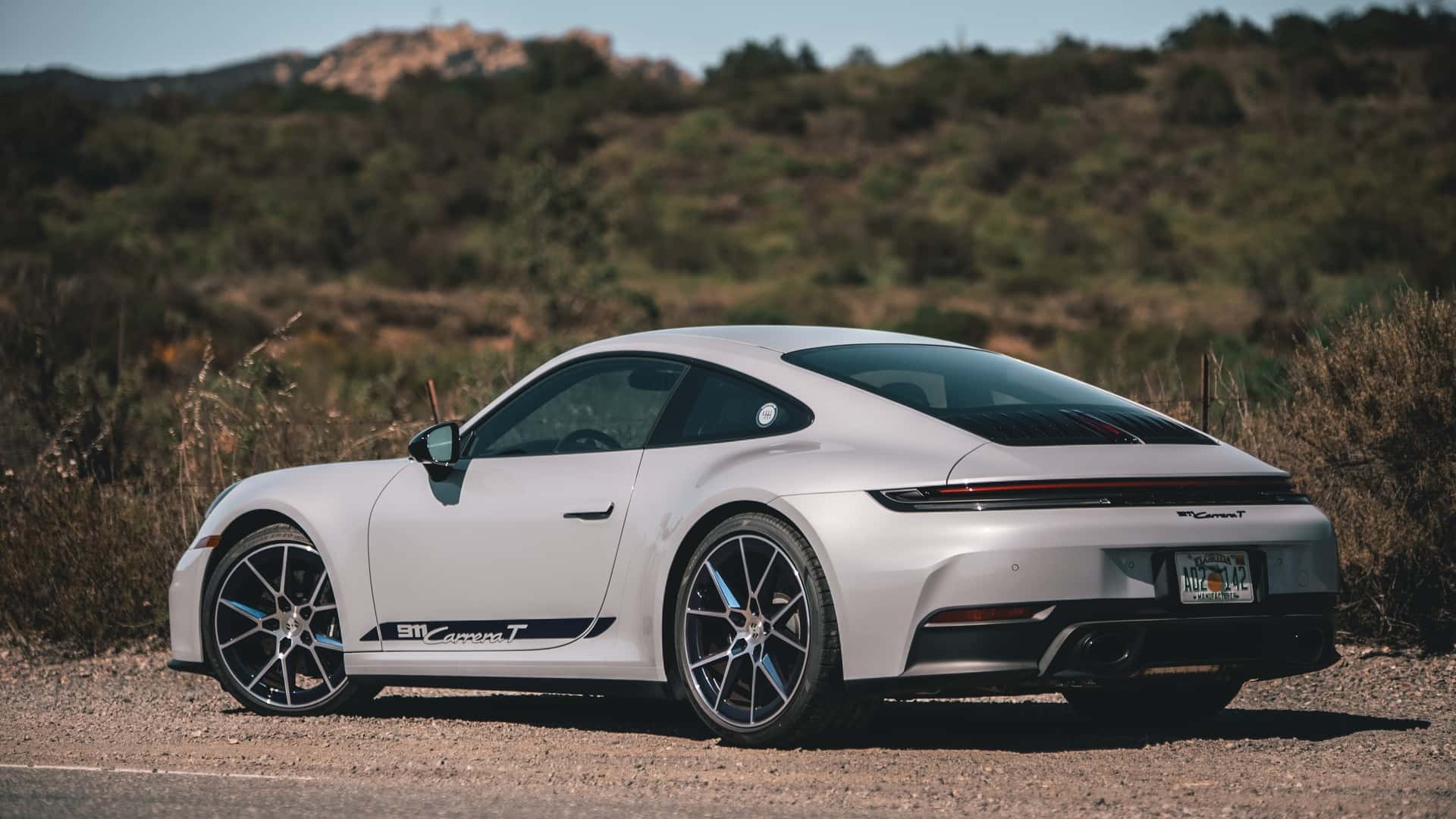
Porsche doesn’t hide the T model. It wears its badge on its sleeve, literally. The side mirrors get gray paint. A front spoiler from the GTS model sits on the nose. The exhaust tips are black stainless steel, screaming Sport. There is even a shift pattern sticker on the rear window because apparently people need to be told what the manual gears look like.
Inside? Walnut.
It looks old school. It is. The wooden ball shifter nods to the legendary 917 racer. Why wood? Weight savings. In 1970 they swapped aluminum for wood to save ounces. The car won Le Mans twice. History matters. The wood isn’t just decoration. It is a nod to victory.
The gearbox itself is strong. It drops to six speeds from seven. The engine remains a twin-turbo 3.0-liter flat-six. 388 horsepower. 331 lb-ft torque. Porsche claims a 0-60 time of 4.3 seconds
Not scary fast by 2024 standards. Real world numbers? Probably better. Porsche never advertises the full truth. It feels faster than it should. It never feels sluggish.
Less Is More Power
Climb up to the Carrera S. You get nearly 500 hp. Nice. But that extra grunt betrays the T’s philosophy. Less power keeps you engaged. It forces the driver to hunt the limits. That is where the fun lives. Balance trumps brute force here.
Porsche drops the center of gravity by 10mm with the PASM suspension. It’s standard. The brakes grow bigger with six-piston front calipers. Rear axle steer and tighter steering ratios make the car pivot like a hot knife through butter.
And yes, the 305-series rear tires aren’t scared of the torque. 400 hp is manageable for them.
Weight comes off elsewhere. Thinner glass. Less insulation. Carbon bucket seats if you ask for them. The result is the lightest 911 you can buy.
The Drive
The steering wheel is thin. Perfect for the hands. Unlike other luxury sports cars where the tiller blocks your view. The shifter clicks. It fits.
Why buy a base model when the big engines sing? Because the base engine makes this daily viable. Approachable. You don’t have to wear a helmet to drive it to work.
Balance is rare today. Porsche found it again with the Carrera T. It is one of only two 911s offering a manual. The GT3 does too. But start at $235,000 for the GT3. Then try to find one. Your dealer will laugh you out of the building.
Or you get this. Near $150,00. A lot.
But it is an experience. A tangible connection between machine and man that is fading fast. We pay for the privilege of driving. Maybe it’s worth it.
Competitors:
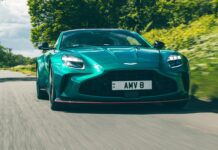
– Aston Martin Vantage
– Lotus Emira
– Mercedes-AMG GT
The era is ending. Hold on while you can.