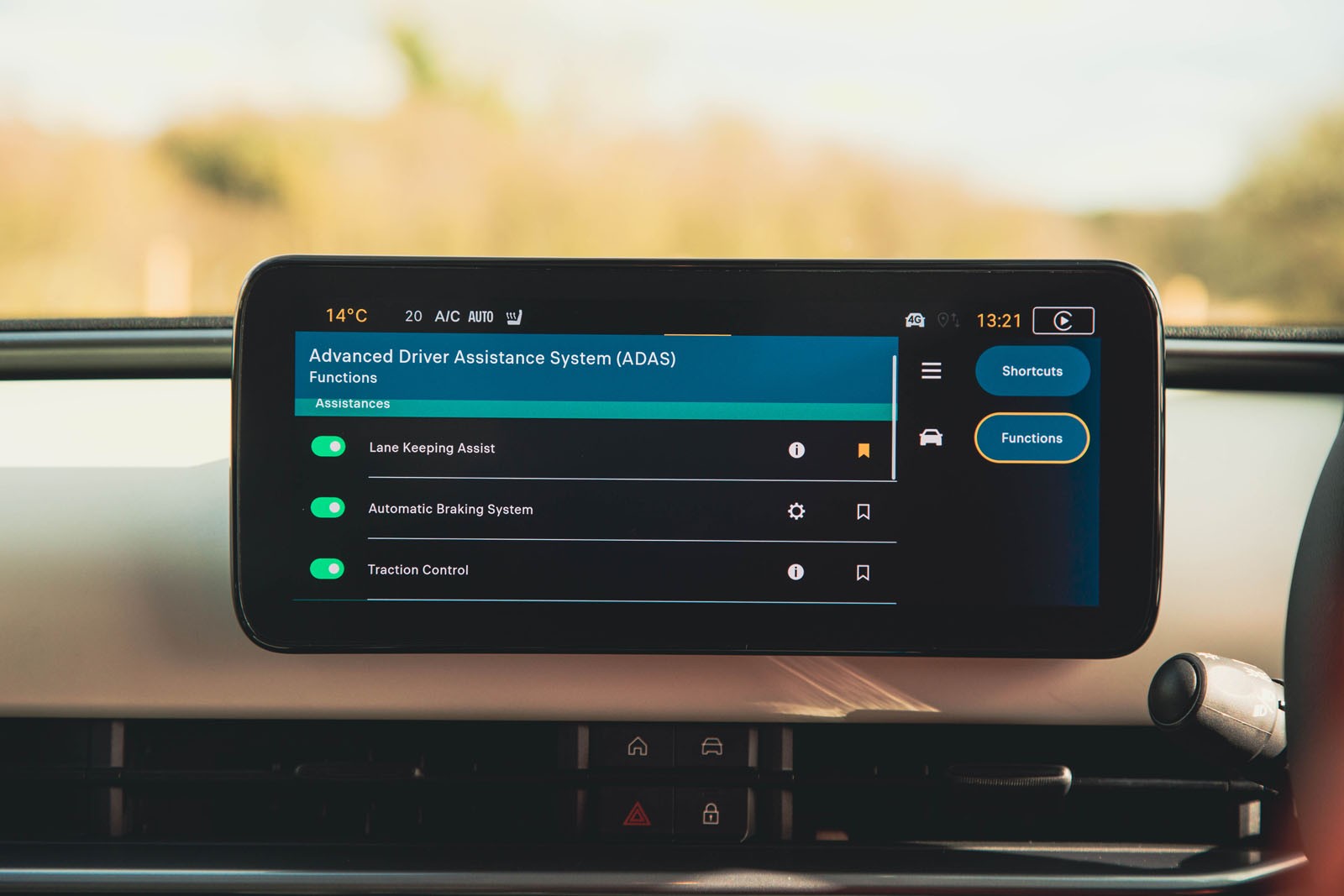
The “beep-boops” are dying out. Or at least they should. Euro NCAP says we need cars that get the driver. Not the other way around. By 2030, personalized safety tech should be standard. If not, people will just keep ignoring it.
We are seeing growing skepticism toward Advanced Driver Assistance Systems (ADAS). Euro NCAP told Autocar that fixing this isn’t about adding more features. It’s about making them smarter.
The GSR2 Problem
Here is the background. In 2019 the EU dropped General Safety Regulations 2. GSR2 for short. Mandatory ADAS hit every new car launched after 2022. Registration year 2024 means your current car likely has it too. Intelligent speed assistance? Mandatory. Emergency lane keeping? Required. Autonomous emergency braking? Check.
Drivers feel safer. Sure. Thatcham Research polled the UK and 82% reported feeling better protected.
But.
Almost a quarter of those drivers hate the experience. Distracting. Irritating. Intrusive. So what do they do? They turn it off. Every single time they start the engine. It’s a ritual of frustration.
“Understand the Driver”
Adriano Palao, ADAS technical manager for Euro NCAP, sees the issue. The current systems are too rigid. They treat everyone like a robot. We need them to adapt.
“We only want to make ADASbetter. It’s a fundamental turning point.”
Palao isn’t asking for crash tests here. He is pushing for behavioral changes in the code. The system needs to know who is driving. More importantly. It needs to know if that person is paying attention.
Take Lane Keeping Assist.
Palao thinks it is absolutely useless when he is in control. He knows he can steer. The camera sees road lines. The computer corrects. Palao pushes back. The wheel fights him. It is a tug of war on the highway. A proper Driver Monitoring System would notice his hands are steady. His eyes are up. The car should shut up.
Intervention should happen only when necessary.
The current tech often misses nuance. It flags minor distractions. Checking the radio dial? Alarm. Adjusting the temperature? Alarm. Drivers engage in these actions for legitimate reasons. The system treats it like he fell asleep at the wheel.
It feels patronizing. And that kills trust.
Smarter Seats and Airbags
The fix extends beyond steering. It goes into the harness. Euro NCAP wants smarter restraints.
Sensors. Lots of them. They should detect the size and shape of the person sitting there. Not just “average adult.” But this specific passenger. The load limiter tunes itself. The airbag adjusts.
Inflation area changes based on the occupant. Deployment force dissipates differently. It sounds complex, but it is basically common sense applied with explosives. We have always assumed everyone is the same size in a crash. They aren’t.
This approach respects the human inside the metal.
Why Do We Let Them Drive Us Crazy?
The technology is already here. Or it should be. The question is whether OEMs care enough to prioritize adaptation over basic compliance. They meet the GSR2 rules. The features work. Technically. But the driver is an afterthought in the feedback loop.
Palao says we are at a turning point. The next generation of safety won’t be about preventing accidents alone. It will be about not preventing the driver from enjoying the drive while keeping them alive.
Maybe we should trust our cars less. And their sensors more. Or perhaps we just need a better interface between man and machine. One that doesn’t feel like it’s judging us.
The systems will have to earn that trust.