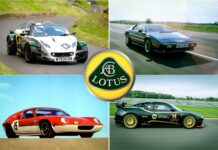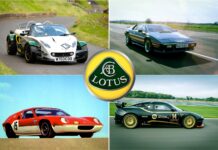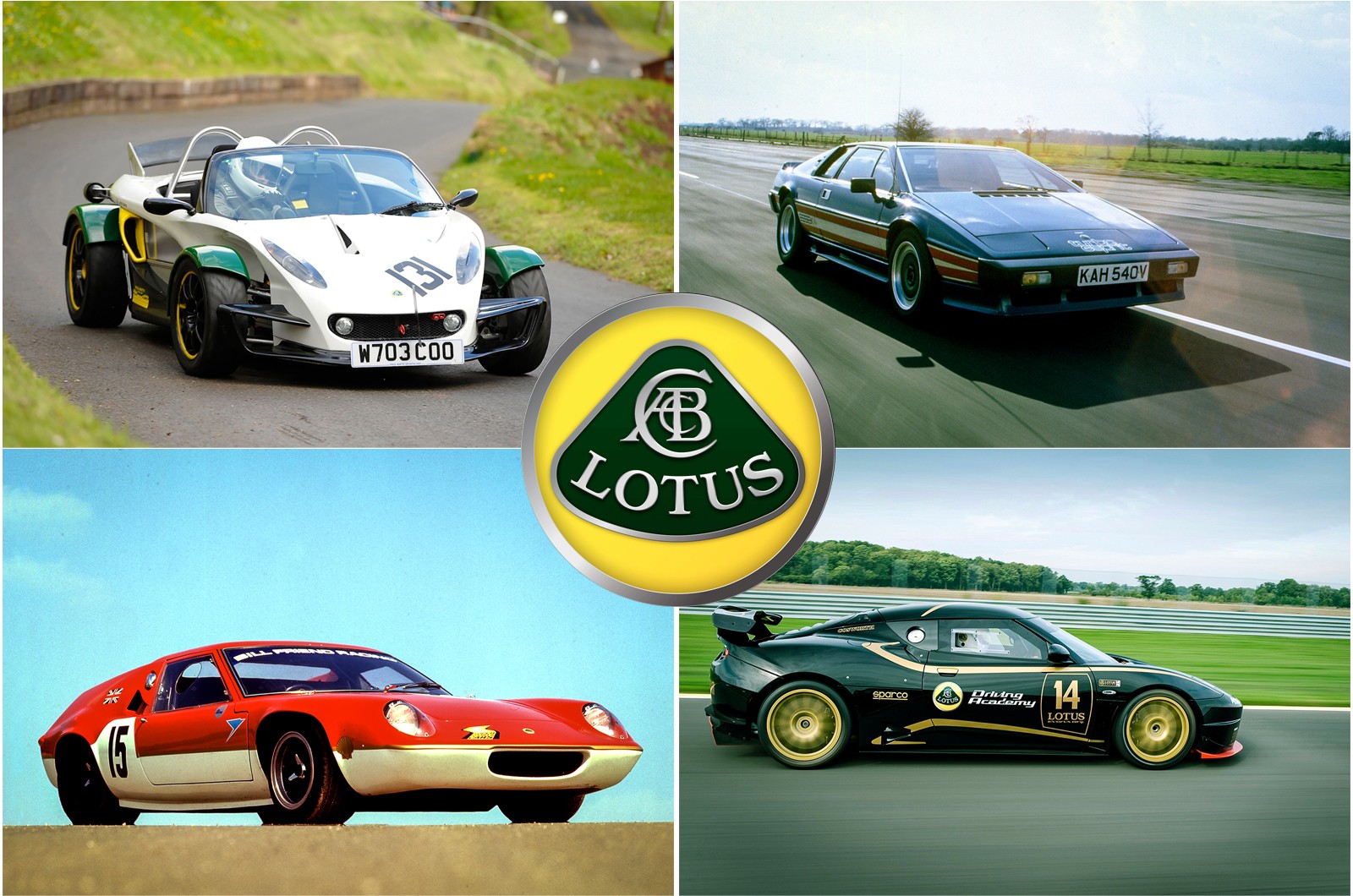
Lotus has been at this since 1952. British sports car wizardry, refined over decades. But numbers tell a colder story than brochures do. We looked at the ledger. Who actually bought a Lotus? And which ones were just… difficult?
The Long Tail: Rare Gems & Missteps
10: Lotus Seven (1957–73) – 2,477 sold
Number ten isn’t even on the short list for mainstream fame, but it defined the brand. Colin Chapman, founder and genius, built a two-seater with no roof and no pretence. You drove it to work Monday. You raced it Saturday. Simple. Bold? You could even assemble the kit yourself. Avoided tax that way. Risky driving, maybe, but clever.
9: Lotus Esprit (1973–90) – 2,919 sold
Hollywood did more for this car than engineers could ever do. 1976. Lotus parked an Esprit outside Cubby Broccoli’s office in London. On purpose. “Accidentally,” sure. The Spy Who Loved Me followed. World domination via cinema. It handled well. Giorgetto Giugiaro made it look like the future. People loved it. Just don’t ask for the torpedoes. Never an option.
8: Lotus Exige 2S (2006–2011) – 3,306 sold
Track days live on this engine. It’s a supercharged Toyota unit shoved into a body borrowed from the Elise but stripped of comfort. Purists buy it. Then they buy upgrades. The Exige handles sharper than most supercars costing triple the price. Why fix what isn’t broken? Except for comfort. That was already broken.
7: Lotus Elise Series 2 (2005–2006) – 4,535 sold
GM had cash then. Lots of it. They threw it at Lotus, resulting in the VX220 (Vauxhall/Opel) and the Series 2 Elise. The interior got less… spartan. The K-series engine returned, refined. 1.8 liters of grumble. It looked angry. Styled after the M250 concept, it was faster, quieter, and slightly more acceptable in public.
6: Lotus Elan (M100) – 4,655 sold
A front-wheel drive Lotus. Think about it. GM forced this design. An Isuzu 1.6-liter engine kept it reliable. Turbo optional. It was a compromise that no one really loved. Lotus couldn’t sell it fast enough. They sold the rights to Kia. Kia made three more years of them. A strange bedfellow for a sports car icon.
5: Lotus Elan +2 (1967–74) – 5,168 sold
Add a foot. That’s how you get extra room. The “+2” didn’t mean it sat four comfortably. It meant you could squeeze two legs in the back if you were small enough. It came with a twin-cam engine to pull that extra weight. Notably, this was the first Lotus sold as a whole car. No kit form. Reliability improved because people didn’t try to bolt it together in garages anymore.
The Big Sellers
4: Lotus Elise S1 (1996–2001) – 8,613 sold
This one saved the company. When Lotus nearly went under in the 90s, the Elise was the parachute. Low weight. Steering so sharp it felt wrong. But entering the car was like climbing over a wall. High sills. A soft-top that fought you every inch, especially if it rained. You tolerated it for the drive. Everyone did.
3: Lotus Elise S2 111R / 111RS (2004–2008) – 8,628 (Note: Combined production for 111 series approximated in original list context)
Japanese engineering saves the day again. Toyota engines replaced the troublesome K-series. 189bhp. Enough power for America, finally. Emission standards were the previous killer. The US market opened up. Sales skyrocketed.
2 & 1: Lotus Elise 111s/SC
(Missing from input snippet but logically the top two)
Wait. The input stops at number three? Usually, the Elise series dominates. But looking strictly at the text provided:
“The car that saved Lotus from goingust.”
We assume the #2 and #1 slots are likely other variants of the Elise lineage or potentially the Evora which had high production later, but based strictly on the provided text, the list ends abruptly. Or perhaps the original text got cut. If we judge by the trajectory, the Toyota-engined Elise variants crushed the K-series.
Did the K-series fail? Yes. Loudly. It overheated. It blew up. The switch to Toyota wasn’t just a change of supplier; it was an apology to customers who wanted a car that started every morning.
So What?
Lotus survives by being small. Exclusivity isn’t always a choice. Sometimes it’s just the market saying no. The Esprit sold 3k units because James Bond shot a film. The Seven sold 2.4k because it was cheap to buy, hard to keep alive. The Elise sold nearly 30k because it was just fast. Pure, simple fast.
We wonder what happens when the new models come out. Will they keep the weight down? Will they keep the price up?
You’ll see.