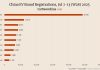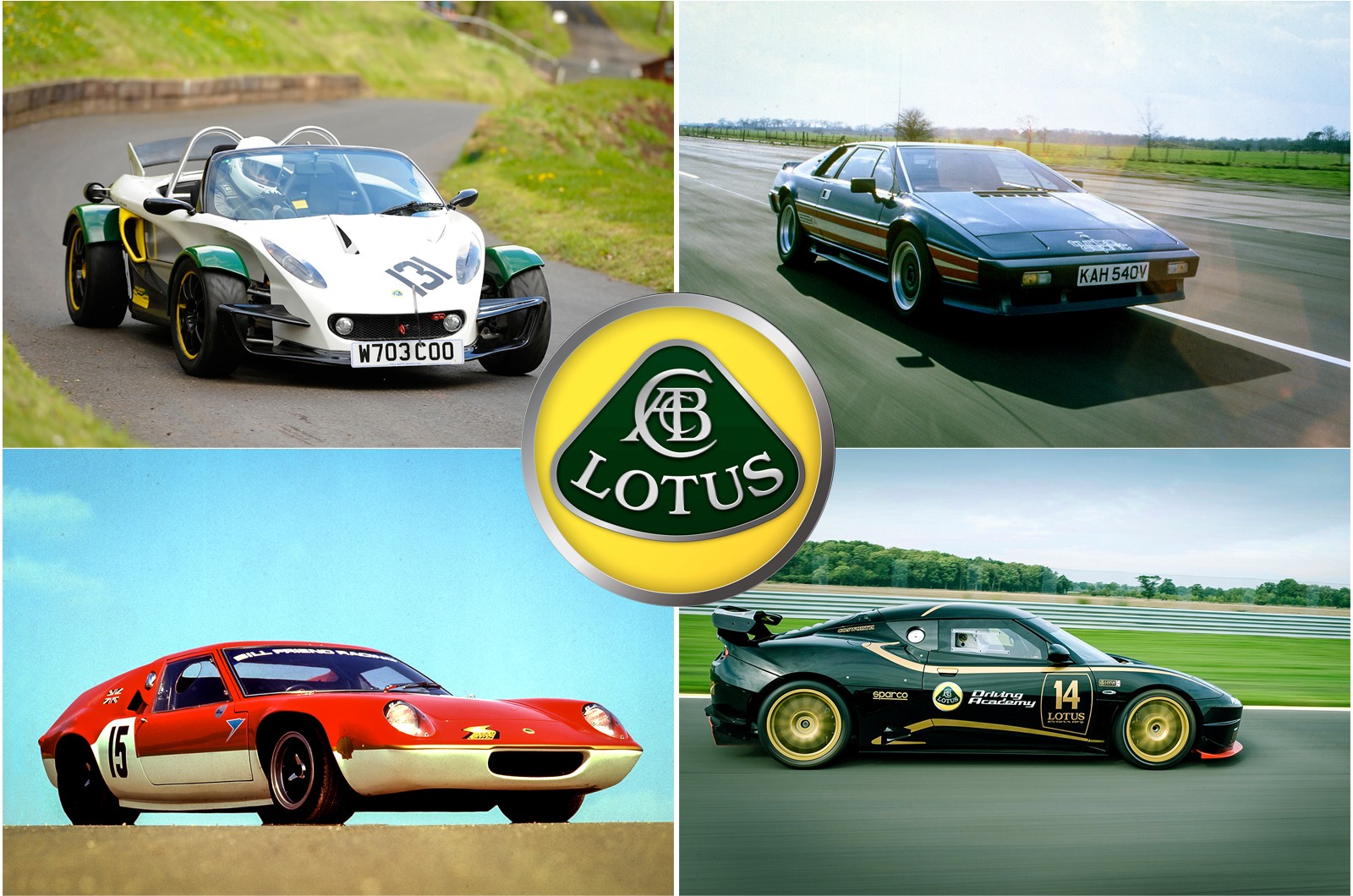
Since Colin Chapman founded the British sports car brand in 1952, they have built a lot of metal. Some were fine cars, most were fast. We are looking at the ones people actually bought, and the ones they didn’t. Some exclusivity was deliberate, mostly it was just bad luck or indifferent buyers. Here is how they ranked, from decent to massive.
The Tail End: Good Cars, Modest Numbers
10. Lotus Seven (1957–73)
2,477 sold. Simple two-seater, open top. Chapman built it for people who wanted to drive on roads during the week and race on Saturdays. It was cheap if you assembled the kit yourself. Tax laws were your friend. Bravely, some did.
9. Lotus Esprit (196–90)
2,919 sold. Lotus parked one outside Cubby Broccoli’s London office. He noticed. It starred in The Spy Who Loved Me. Suddenly, everyone knew what a wedge looked like. The publicity was nearly free. Handling was sharp. Did you want a missile launcher? No, but it helped the fantasy. The brand got a massive lift from a movie prop.
8. Lotus Exige 2S (2006–2011)
3,306 sold. Born from racing, powered by a supercharged Toyota unit. It cost less than rivals that felt heavier. Track-day enthusiasts loved the razor-sharp handling. The engine had more oomph than the standard Elise. Owners added upgrades, kept driving, ignored the noise complaints from neighbors.
7. Lotus Elise 2 (1st gen: 2000–06)
4,535 sold. GM was paying the bills then. That money built a sister car called the Vauxhall VX22 (Opel Speedster elsewhere). This version of the Elise got a better interior. The 1.8-liter K-series engine was revised. It looked angry. It borrowed its face from the M25 concept. You noticed it on the road.
6. Lotus Elan (100 & 2)
4,655 sold. First and last front-wheel drive Lotus. GM funded it, Isuzu provided the engine. Reliable. Boring? Maybe. Profitable? Not at all. They sold the design to Kia. Kia made it for another three years because Lotus couldn’t make it pay. The end of an era for British styling in Korea.
The Sweet Spot: Practicality and Popularity
5. Lotus Elan +2 (196–74)
5,168 sold. How do you improve a sports car? Add four inches to the wheelbase. Add rear seats. The twin-cam engine handled the weight fine. It was the first Lotus not sold as a kit. People could actually drive it home without tools. Reliability improved. Practicality hurt the soul but saved sales.
4. Lotus Elise (2nd gen: 196–2001)
8,613 sold. This car kept Lotus alive. The roof was harder to put up than a tent in a hurricane. The door sill required leg strength you didn’t know you had. But the steering was telepathic. Weight was low. Drivers forgave the inconvenience because driving it felt illegal. It should have.
The Champions: What Kept the Lights On
3. Lotus Elise R (3rd gen: 00–2011)
8,628 sold. Japanese engines again, but this time with 189 bhp. Performance jumped over the older K-series versions. Customers got an extra gear ratio. Why was this so successful? Because they finally met US emission standards. America opened up. The K-series failed the test before. Toyota passed. Lotus celebrated.