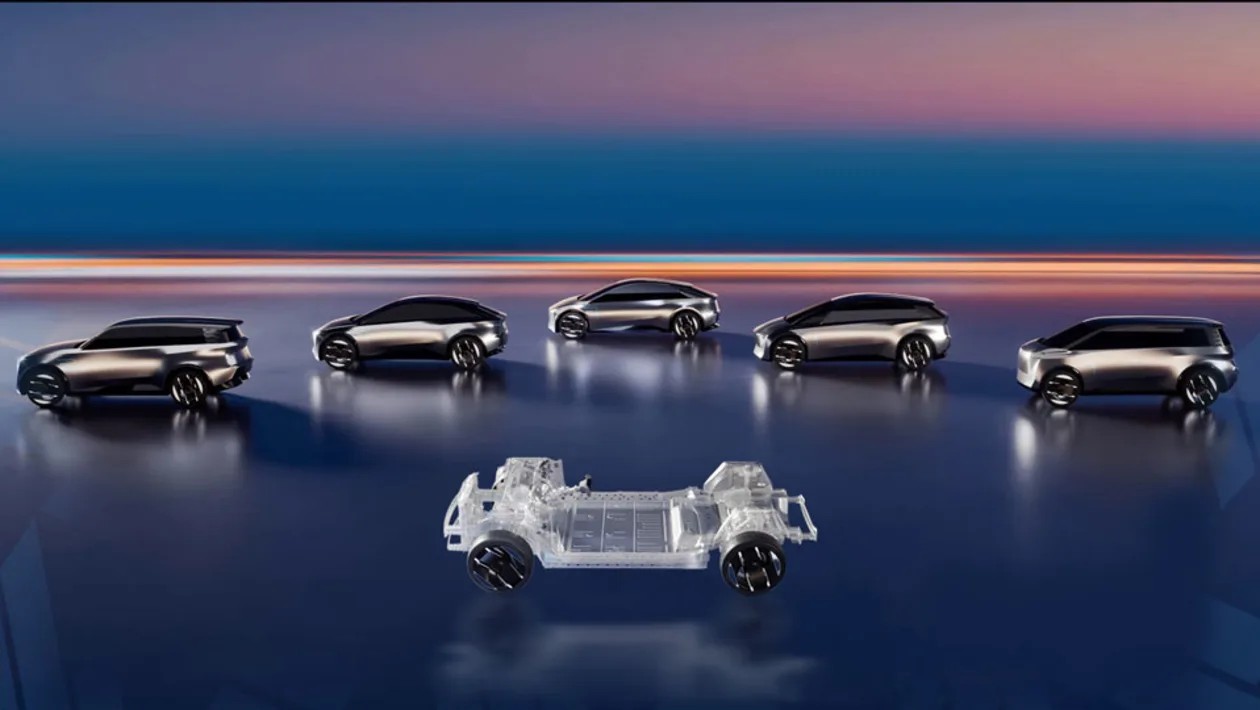
Keep up. Try not to. The Stellantis engineering arsenal is already deep enough to drown a man in acronyms, and now they have dropped another one into the mix. It is called STLA One. It matters more than the previous batch, at least that is the promise.
Revealed at the 2025 Investor Day—though production starts next year—the architecture aims high. Very high. It supports over thirty models. The target? More than two million units by the mid-2030s. A lot of metal, battery, and plastic moving through those plants.
Think about who builds these cars. Citroën, Peugeot, Fiat, Alfa Romeo, Maserati, Vauxhall. The STLA One underpins the B, C, and D segments. Small stuff like the next Corsa sits on the same foundation as massive beasts like the Peugeot 50008 SUV.
Does this make sense for cost?
Ned Curic, the chief engineer, insists it does. He calls it modular flexibility without the inefficiency. By mixing propulsion systems—electric, hybrid, thermal—onto one baseline, they strip out waste. Complexity drops on the production line.
“We’re targeting a 20% improvement in cost… while upping component recycling and reuse.”
That second part matters. They claim up to seventy percent recycling and reuse of components. That is not a minor tweak, it is a fundamental shift in how parts live and die.
Then there is the battery. Leapmotor taught them some tricks, or maybe the other way around, the relationship is symbiotic. STLA One uses ‘cell-to-body’ integration. This method improves rigidity while shaving weight and complexity from the design. Already seen on Leapmotor’s C10 and B11 electric vehicles, the tech moves West now.
Under the hood—figuratively—there is the new STLA Brain. Think of it like the ‘Heart of Joy’ concept from BMW, a central computer driving the software. Also steering-by-wire enters the mix, along with a new SmartCockpit and AutoDrive systems. A completely new way to interact with a vehicle? Perhaps. It often just looks different at first.
This is just one part of the FaSTLAne 203 strategy. Fifty billion pounds worth of it. Sixty new vehicles coming through the gates before this decade closes, with fifty significant refreshes to keep the older stuff relevant. The pipeline is full, the platforms are modular, the recycling numbers look ambitious, but will two million people actually buy these new iterations of familiar brands? We’ll have to wait for next year to see.