Affordable EVs built them a reputation.
Profit built a hunger.
Leapmotor is moving upmarket.
They’ve been known for budget-friendly electric and extended-range cars, but the sights are set higher now. Higher prices mean higher margins, apparently.
The startup confirmed it will launch a second brand by 2027.
Details are thin.
Deliberately so.
“Our second brand, right now, it’s still confidential.”
Li Tengfei, Leapmotor’s CFO, kept his mouth shut on specifics during an earnings call, though he admitted the plan exists. He couldn’t spill secrets, naturally, but he gave a timeline. Product premiere late this year or mid-2026 at the latest. The actual sales launch follows soon after, likely mid-to-late next year.
Different positioning, he promised. A push for future growth.
Smart?
Maybe.
Reports from China suggest this new line targets vehicles priced above ¥300, 000.
That’s roughly A$61,800.
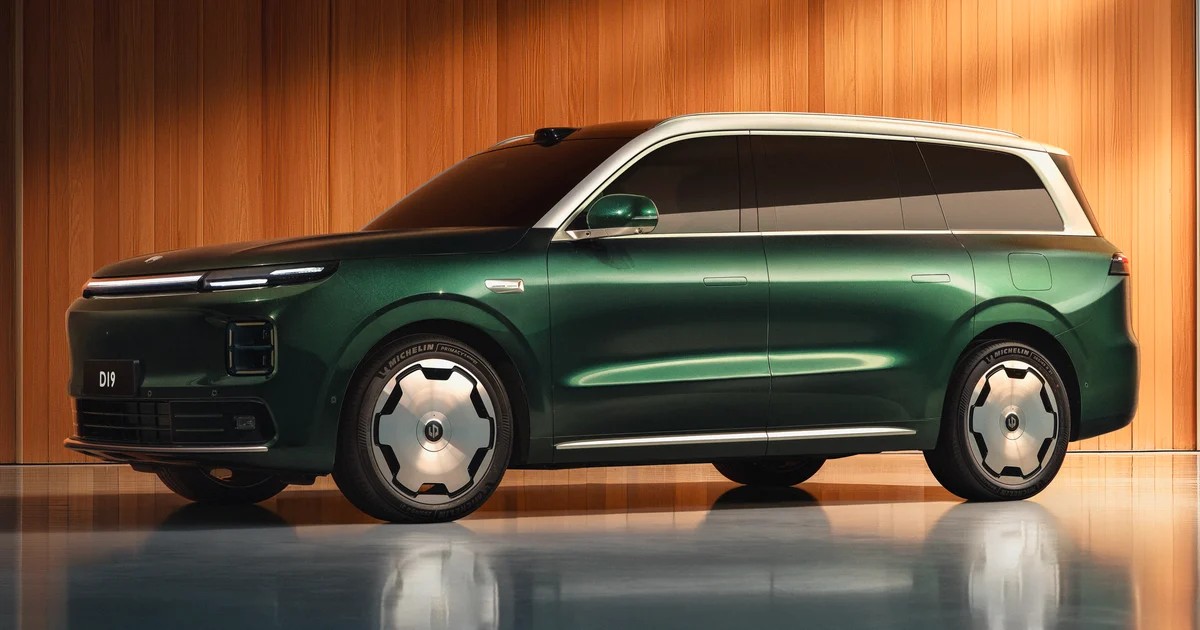
They’re not jumping straight to luxury yachts, of course. They’ve already nudged upward with the D19.
Their most expensive car.
A large SUV.
It hit the Chinese market early this year.
The flagship 680 Tri-Motion version costs ¥269,8 00 (~A$ 55,5 0 0). Still below the threshold of the rumored new brand.
Here is the problem, really.
Leapmotor puts everything under one name.
SAIC Motor has IM Motors. Geely has Zeekr. Those giants use separate badges for separate tiers.
Leapmotor doesn’t.
Yet.
This lack of premium experience might have already cost them some trust. Stellantis, their partner for global distribution, reportedly looked elsewhere for help with a new Maserati model. They didn’t turn to Leapmotor.
Odd.
Leapmotor is supplying underpinnings for an Opel, though.
Founded in 2015, they didn’t start selling until 2019 with the brief S01 coupe. A quick fade.
Australia got their debut in 2024 via the C10, a mid-size electric SUV. The compact B10 arrived later in 2025 (according to the timeline provided, anyway).
Sales here? Slow.
By late April, they’d delivered 420 cars.
Deepal sold 423.
Zeekr sold 2,838.
They’re tied for dead last, essentially, with brands that started at the same time. The new premium brand aims to fix that gap.
Or complicate things further.