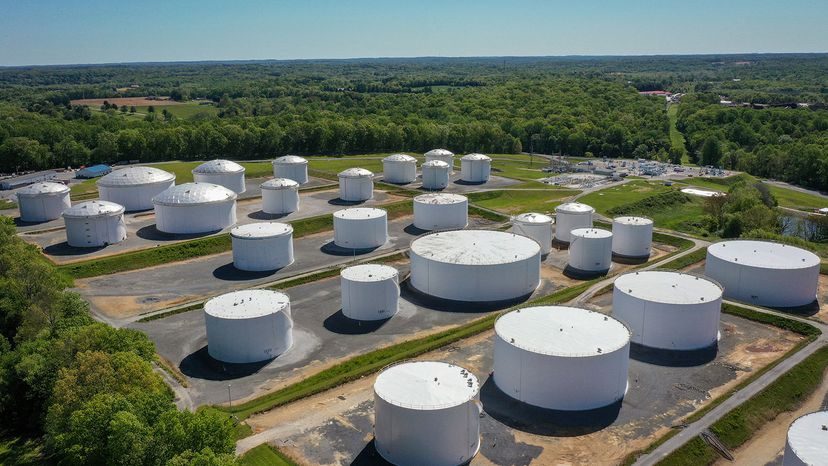
Pollution peaks in summer. Smoke chokes the city. Ozone levels are rising. The heat accelerates the chemical reactions that produce ozone at the surface, and the temperature inversion traps the polluted air near the surface. we breathe it in. It can damage the lungs.
To solve this problem, the regulator changes the fuel in the tank.
Summer gasoline is different from winter gasoline. This is not just a marketing ploy. Reid vapor pressure (RVP) is low. RVP measures how easily gasoline evaporates at 100 degrees Fahrenheit. The higher the RVP, the more evaporation. More evaporation means more VOCs in the air. These compounds react with sunlight to form ozone.
Gasoline must have an RVP of less than 14.7 psi. This is normal air pressure. When the RVP of the fuel exceeds this limit, the pressure in the tank increases. Fuel may boil. It can evaporate from the fill neck. This is dangerous and wasteful.
That’s why the EPA has strict restrictions in hot weather. The RVP of summer fuel should not exceed 9.0 psi or 7.8 psi depending on the state and month. Some areas have even stricter regulations. This is not a uniform rule. This is patchwork. Because of these different standards, there are over 14 different Boutique Fuel Blends available in the US during the summer.
The Butane Difference
Winter fuel tells a different story.
Cold weather makes it difficult to start the engine. To combat this problem, refineries add more butane to the winter blend. Butane has an RVP of up to 52 psi. Helps volatile mixtures to ignite in the cold. Winter gas can contain about 10% butane. It is very cheap. It’s plentiful. It lowers the price.
Butane is still used as a summer fuel, but is rarely used. Probably around 2%. Just enough to help with cold starts, but not enough to cause excessive evaporation when the sun beats down.
This chemical change increases the price. I feel it every year on Memorial Day. But when will this change actually happen?
The Transition Timeline
The EPA defines April-June as the “transition period” for fuel production. Refineries don’t flip a switch overnight. Mixing of summer fuel starts in March-April.
Service stations must sell summer-grade gas on June 1. until. Terminals and upstream facilities have a stricter deadline of May 1st. The logistics are complicated. Millions of gallons must be replaced. Storage tanks must be purged or monitored to prevent contamination between mixtures.
At the end of summer, this process reverses. In September, companies start to switch to winter mixes. The first additional RVP increase will take place on September 15.
Waivers and Controversy
The system is not perfect. In 2021, the EPA reports that approximately 75 million Americans breathe cleaner air as a result of these seasonal fuel regulations. Clean air is a win. But the price is higher.
The gas prices rises in the summer. Why? The mixing process is more complicated. Additives are more expensive. Ethanol is controversial. Ethanol is controversial. It is less energy efficient than pure gasoline. If it is not handled properly, more smog can be produced. Methyl tert-butyl ether (MTBE), another additive drawn criticism for environmental risks, is used in some areas.
Critics argue that the increased prices outweigh the benefits of improved air quality. Proponents refer to data. The air is cleaner.
In the event of a crisis, the EPA may have to act. Waivers happen.
On April 29, 2022, the EPA granted a waiver. higher-ethanol blends may be sold during the summer. Why? Gas prices have skyrocketed due to inflation and the market shock caused by Russia’s invasion of Ukraine. This exemption is a desperate attempt to lower pump prices.
Two other notable waivers occurred.
The 2021 Colonial Pipeline ransomware attack disrupted fuel supplies on the East Coast.
The waiver aimed to prevent additional price increases.
Demand collapsed due to the 2020 COVID-19 pandemic
With fewer cars on the road, there is less pressure to switch blends quickly. Storage space is limited. More time is needed to switch from winter fuel to summer fuel without bottlenecks.
Storing Out of Season
You can’t just mix and match.
Winter and summer fuels react differently to air pressure. Evaporation rates vary. If winter gas is used in summer, it evaporates faster. You lose fuel. You pollute even more.
If summer gas is used in winter, it may not evaporate enough and ignite properly. The engine stops. Performance decreases.
Storage is important. Fuel kept that is not used during the designated season It evaporates. It gets worse. The engine pays the price.
The seasonal fuel program is a balancing act. It tries to protect the air while the engine is running. It fails sometimes. Prices have gone up. Blends confuses consumers. But the option of unlimited evaporation during a heat wave is even worse.
As the temperature drops, the air clears. The fuel changes. This cycle repeats itself.
You can see the difference in the pump part. You can tell by looking at the statistics. The complexity is hidden under the nozzle. But it’s there. I’m always there.