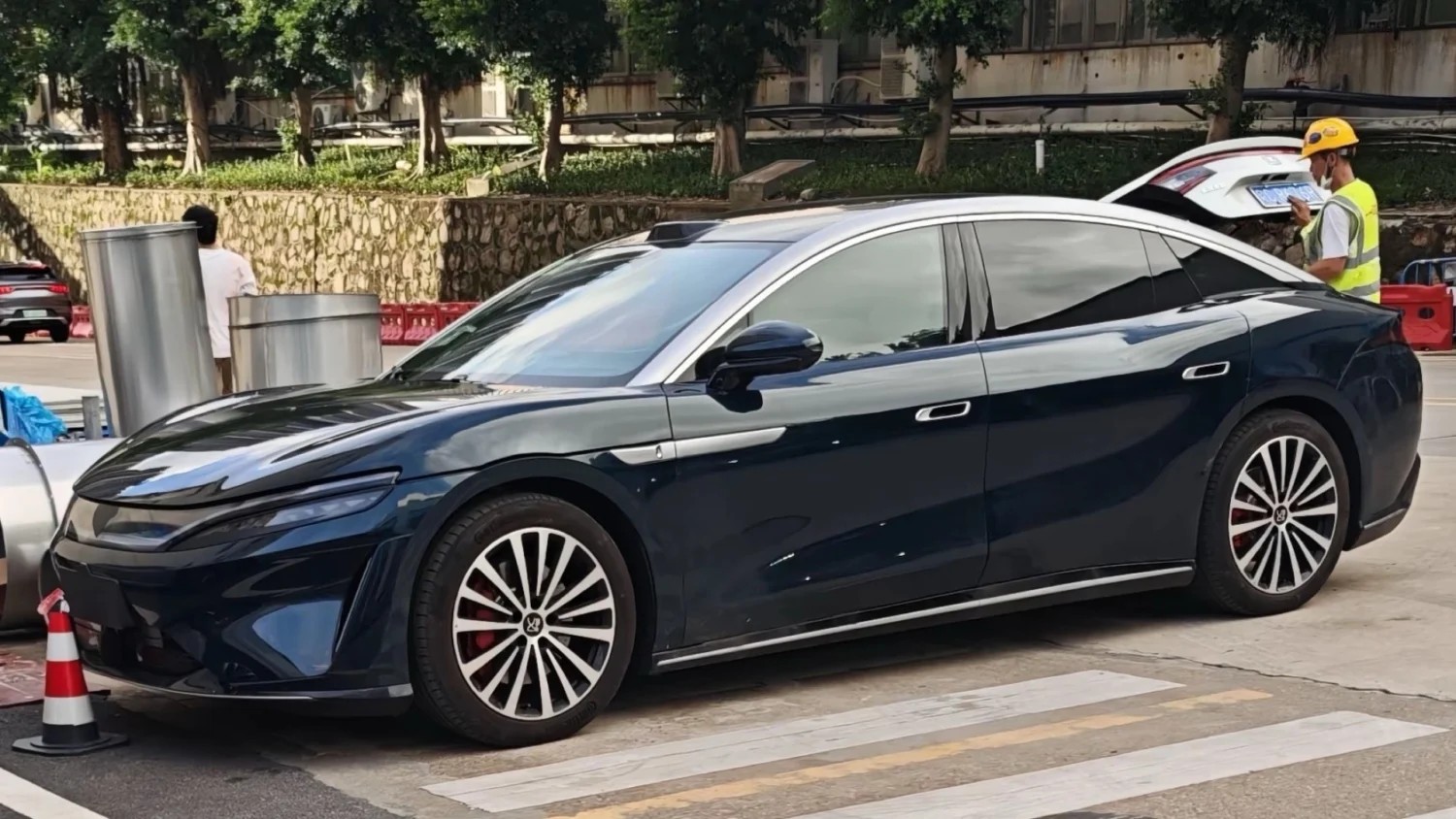
It weighs 725.9 kilograms. That’s just under 730 kgs of lead-acid-era anxiety wrapped in lithium-iron-phosphate packaging. The BYD Da Han isn’t just carrying a battery; it’s carrying a anchor. A 102.3 kilowatt-hour beast that accounts for roughly a third of the sedan’s entire curb weight.
Does it matter? Look at the range.
Why does the BYD Da Han battery pack weigh so much?
BYD didn’t hold back on density. According to the Chinese Ministry of Industry and Technology’s latest tax reduction lists, the all-electric Da Han gets a standard 102.3 kW battery pack made by their own subsidiary, FinDreams.
The number 102.3 kWh sticks out. Not because it’s unique. But because of the payload it demands.
This LFP chemistry is solid. Durable. Cheap to make. But mass doesn’t negotiate. The rear-wheel-drive (RWD) variant hits the road between 2,260 and 2,325 kilograms. That is heavy. For context. Most mid-sized sedans hover around 1.8 tonnes. The Da AWD version? 2,505 kgs. It is tipping toward pickup territory.
And yet.
The Da Han EV offers up to 1,002 km of range. Under CLTC standards.
That’s over 1,000 kilometers on a single charge. The RWD model sits between 970 km and that 1,08 km ceiling, depending on how many luxury gadgets you bolted onto the frame. The all-wheel-drive version sacrifices a bit of air miles. Two motors combine for 570 kW—about 764 horsepower. Power eats efficiency. So you get 820 to 880 kilometers instead. Still respectable.
Which variant offers more practical range?
It depends on whether you like speed or silence.
The RWD single-motor setup gives you 370 kW. 496 hp. It’s punchy. Enough to bully traffic out of the way without melting the tires. But if you need grip. Or brute force acceleration. You buy the AWD trim.
There’s a trade-off. Weight versus wheelspin. The AWD model loses about 150-180 kgs of potential range because the dual motors and drivetrain hardware add dead weight before the battery even starts working.
Why would you buy the plug-in hybrid version?
Because electricity is convenient but limited by time. The Da Han DM-i changes the game.
This isn’t fully electric. It uses a 1.5-liter petrol engine—a turbocharged unit designated BYD472ZQZ. It makes 115 kW. Paired with an electric motor pushing 200 kW, it gets serious. The hybrid uses a smaller 54.4 kWh battery. About half the size of the EV’s lump.
But the magic trick is the range breakdown. In pure electric mode? You can go 470 km.
Wait. That’s wrong. No. It’s not. 470 kilometers of all-electric driving before the petrol engine kicks in for thermal support. Then the hybrid system takes over for the rest of the continent. This solves the range anxiety for