You hand over your keys. You accept the loaner. You expect a drive back to reality, not a trip into a surveillance state.
That is exactly what one Audi customer got when she picked up a Q7 from a service center.
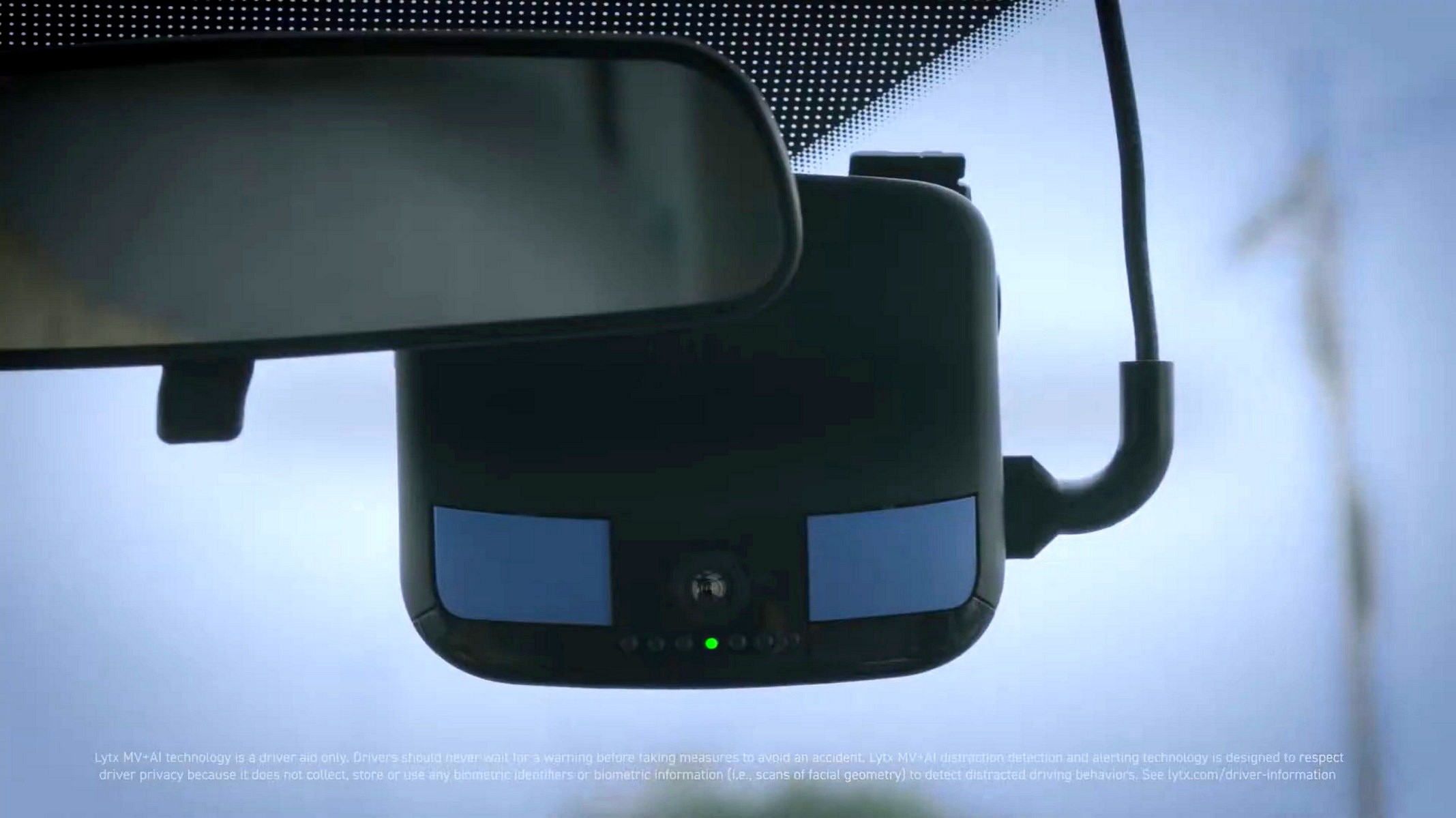
The interior was pristine. The engine purred. Then she saw it. Mounted on the passenger-side windshield, staring out like an unblinking god, was a bulky black square. She later learned it was called the “Eye of Sauron.” In reality, it was just a Lytx DriveCam. A fleet tracking unit. The kind companies buy to monitor delivery drivers who eat their bosses’ yogurt, not to sit politely on your car while it sits in the shop.
Now she feels watched. She feels compromised.
What Is The Lytx DriveCam In The Audi
It wasn’t just a camera. It was a system.
When you start the ignition, the device wakes up. Two lenses go to work. One faces forward, capturing the road like a standard dashcam. The other turns inward. It stares at the driver. At the passengers. It captures every movement. Every glance.
This hardware feeds data to Lytx’s proprietary machine vision. Artificial intelligence processes the video. The system analyzes driver behavior in real time.
Does your eyes drift off the road? The system flags it. Are you following too closely? It notes the aggression. You take a phone call? Beep. Speeding? Recorded. Rolling through a stop sign? It’s logged.
The idea, according to Lytx, is to improve safety. The chimes are supposed to wake you up. To remind you that adults should drive safely.
It sounds nice.
In theory.
The Privacy Problem For Healthcare Workers
Here is where the rubber meets the road.
The owner of the loaner Q7 works in healthcare. This matters. Not for her personal convenience, but for legal reasons. She deals with patients. She handles private health information. HIPAA laws are not suggestions; they are ironclad barriers designed to protect people during vulnerable moments.
With the camera recording the interior of the vehicle at all times, she cannot speak freely.
She cannot take calls from other medical staff. She cannot discuss case updates, even with the phone held to her ear and hands-free technology engaged. The microphone inside the unit hears her. It records the audio. That violates privacy protocols.
If a patient’s care is delayed because she’s too terrified to answer the phone in the dealer’s car, who is liable? The dealer? The fleet company that bought the cameras? Audi?
No one knows for sure yet.
Dealer Or Dealer?
This raises a nagging question: Where do dealerships get these things and why do they put them in loaner cars?
Lytx doesn’t list Audi as a partner on its website. The tech is standard issue for commercial fleets—truckers, couriers, maintenance crews. It is rarely seen in consumer vehicle monitoring, certainly not in loaners meant to provide temporary convenience to paying customers.
This points to the dealership itself. A lone decision-maker likely saw the Lytx catalog, bought the kit, and installed it without asking.
“We contacted Audi to ask whether it has involvement in monitoring systems installed by dealers, if loaner drivers are informed, or if drivers can opt out of this technology. Audi responded that they are investigating.”
Audi hasn’t said much. They haven’t confirmed if the installation came from Bavaria or a local lot in Ohio. They haven’t explained why customers weren’t notified before signing the rental agreement. They are just “looking into it.”
That vague timeline is frustrating. It puts the burden of privacy on the individual who had no choice in the matter. You need a car. The dealer provides it with surveillance attached. Take it or leave it. Leave it, and your oil change is late.
Can You Turn Off The Camera
Probably not.
These devices are usually wired into the vehicle’s electrical system with no obvious power switch. They keep running when the key is off if connected to the battery or a separate source. Removing them requires cutting wires. Taping over lenses doesn’t work if the audio is still streaming to a cloud server.
There is no easy “opt-out” button.
Fleet laws in the U.S. generally favor the employer’s right to monitor equipment. Courts have often sided with companies, arguing that using a provided vehicle implies consent to tracking. But a loaner car for personal use during repair time feels different. It’s a temporary exchange of autonomy.
What Comes Next
TechSpot covered this early. We asked questions. We await answers.
Right now, we have a beautiful Q7, a recording eye, and a customer who feels like she’s living in dystopian fiction. The line between safety monitoring and invasive surveillance is thin. In this case, it might be non-existent.
One thing is clear. When you rent a car, check the dashboard. Look for the box on the windshield. Because it’s not just watching the road.
It’s watching you.
And it doesn’t ask for permission.