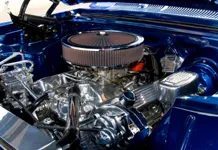
Blood vessels are blocked. The same applies to the flow of engine oil. The results are almost the same. Either a person has a heart attack or a machine seized block. We know that lifestyle choices are slowly killing us because of cholesterol. We often forget that our cars can quietly break down if we don’t maintain them properly.
Oil should be a good thing. It has a lubricating effect. It cools It can be protected. But the heat changes everything.
If the engine gets too hot, the oil will no longer remain liquid. It breaks down. It becomes a tarry sludge. This goo covers the important components. It blocks the narrow passage. The flow stops where it is most needed. Clean oil prevents wear. Dirty, baked-on oil may be to blame.
Ignoring the build-up can lead to poor performance. Then failure. Then there are the high repair costs. The difference between a quick fix and a new engine often comes down to spotting the early signs.
Here are five common signs that your car has dangerous oil residue. Catch it quickly. Save the engine. Save your wallet.
1. Difficult start
A cold engine should run smoothly. It should catch without hesitation. Be careful if your car is difficult to start in the morning, especially in cold weather.
Sludge blocks the flow of oil. The oil pump cannot draw clean lubricant to the camshaft and crankshaft quickly enough during ignition. Friction spikes. The engine is fighting itself. You can hear the starter strain. The crank rotates slower than necessary.
It’s not just about battery degradation. This has something to do with viscosity. High viscosity oil does not drain. It sits in the pot. It takes more time to get to the top. If your car hesitates or stalls when you start it, the oil can quickly lose its ability to lubricate. That’s sludge talking.
The Cost of Tightening Down
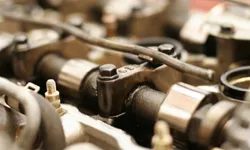
Fixing an oil leak doesn’t require a trip to the bank to completely disassemble the engine. Just clean the fouled spark plugs with degreaser and replace the valve cover gasket. Some people skip the important step of torque the cover down to the pressure specified by the manufacturer.
If you tighten it too tightly, there is a risk that the gasket will crushing. It also causes oil leaks. This is a vicious cycle.
4: Misfiring
The spark plugs ignite the fuel in a precise order. If the ignition of the spark is a fraction of a second late, the cylinder will not fire. You feel the engine suddenly jerk. This is not just a rough idling. This is a stumble.
When oil is involved, an oil film forms on the plug. Usually the cause is a worn gasket. A gasket. A grommet. O-ring. Check the plug. Check that there is no oily sheen or soft deposits on the electrodes and insulators.
If only one plug is dirty, replace the entire set. Don’t half-ass it. While you’re at it, check the spark plug boots. Inside and outside. Use a degreaser and a lint-free towel to remove oil build-up. Dirty boots can cause resistance. If resistance occurs, misfire may occur.
Why Plugs Get Oily
Oil fouling can cause poor performance for several reasons. We have already mentioned valve cover gasket wear. These are easy fixes. The troublemakers may be elsewhere.
- Piston rings of the wrong size can allow oil through the combustion chamber.
- Wrong valve guides can cause oil to drip into the ports.
- New or recently overhauled engines may have oil residue in places where it shouldn’t be.
Sometimes it’s just age. Sometimes it’s a bad part.
3: Bad Oxygen Sensor
Oxygen sensors monitor the air-fuel mixture. It sends data to the ECU. When the sensor fails, the computer guesses. It enriches the mixture. You get poor fuel economy. Check engine light on.

O2 sensors don’t lie
An oxygen sensor or O2 sensor is more than just a small metal part that screws into the exhaust pipe. It’s the canary in the coal mine for your entire powertrain. If the engine burns fuel cleanly, the sensor is satisfied. You see clean exhaust. But when impurities enter the mixture, the sensors detect the change and the “check engine” light comes on.
Location is important. These sensors are typically located after the exhaust manifold or pipe. If the sensor tip is covered with dark brown deposits, this indicates a specific problem. It’s oil. Oil leaks from the piston rings and valve seals and burns in the combustion chamber.
This contamination can cause “false lean” measurements. The engine computer determines that the mixture is too lean. It reacts by injecting more fuel into the mixture to solve a problem that doesn’t exist. The result? Fuel consumption skyrockets, gas mileage worsens and carbon monoxide emissions increase. This sensor is basically lying to your ECU because it is covered in slime.
When oil becomes sludge
Oil has two functions. It lubricates moving parts so they don’t wear against each other and removes heat from the engine. The hot oil returns to the pan to cool and circulate back. This cycle is based on the oil maintaining the correct viscosity.
If the oil is too thick or sludgy, it will not drain properly. Heat builds up. You may see the dashboard temperature gauge rise. This isn’t just bad luck. This indicates that the oil has lost its ability to cool the engine.
You can check this yourself. Shine a flashlight into the oil filler hole with a flashlight. In severe cases, there may be black sludge inside the crankcase. It’s not just dirt. It’s coking.
ExxonMobil defines coke as the solid residue that remains after the intense oxidation and thermal decomposition of oil at extreme temperatures. The higher the temperature, the harder and blacker the residue becomes. Shedding coke is dangerous. The oil filter can become clogged and block critical passages in your engine’s lubrication system. When these passages become clogged, you don’t just lose oil pressure; You are looking at a seized engine.
Reading warning light
If you are distracted, you may not notice the temperature gauge. Or maybe you just want to go to work. But before things go wrong, there’s usually one last warning. The low oil pressure light comes on.
If this light comes on, it doesn’t mean you’re low on fluid. This means that there is not enough pressure in the system. The pump may be broken. The pickup tube may be blocked. Or it could be because the sludge we just talked about is blocking the flow. You cannot continue driving while this light is on. You stop. Immediately. Because there is currently something missing that prevents the engine from melting inside.
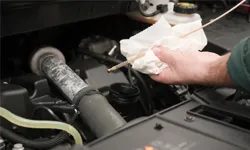
The engine oil system is a closed loop. Pour in the oil, circulate it with the pump and filter continuously. There is no need to constantly top up. Just follow the instructions and change it. Usually.
However, if the Check Engine Oil light flashes while driving, do not ignore it. Fluid is not always low. In some cases, the level can be quite high. The problem is flow. Sludge. Thick, congealed gunk blocked the critical oil passages. If the fresh, viscous oil does not reach the bearings, the metal will rub against each other. The engine seizes. It’s a death sentence for your transmission and your bank account.
These aren’t just little pieces floating around. They are blocks. Heavy deposits. They look gross. They cause catastrophic failure.
Prevention is cheaper than replacing the engine. Some cars are prone to this. Some aren’t. However, you can reduce the risk.
Maintain fluid flow and cleanliness
The first line of defense is basic maintenance. Change the oil. Replace the filter. Stick to the manufacturer’s intervals. Don’t keep going just because you’re “closer” to your next goal. The oil breaks down. It loses viscosity. It no longer fulfills its function.
Pay attention to the behavior of the car. Hard starts. Lurching. Surging. These are all symptoms. They’re your car trying to tell you something is wrong before the lights come on.
Use synthetic oil if possible. Maintains excellent performance even at high temperatures and pressures. It resists breaking down faster than conventional blends.
Be careful with additives. Some claim it cleans the engine. Some claim it stops leaks. Many substances can chemically react with oil in unexpected ways. They do more harm than good. Use proven solutions.
“An ounce of prevention is worth a pound of cure.”
Managing Existing Buildup
What if you’ve already neglected the schedule? Or bought a used car with a questionable history? You may be dealing with existing sludge.
There are also foaming cleansers. Engine flushing products are now available. These are designed to dissolve the accumulation of various substances. They can help. However, they also have their limits.
Can synthetic oil prevent sludge formation?
Yes. Synthetic oils reduce the rate of oxidation. Less oxidation means less by-products. Fewer by-products means that less sludge is produced to begin with. This is a chemical advantage.
Is engine oil flushing effective?
They typically work. But not always. It is less effective in vehicles with high mileage. The effect is less effective if the car is parked for a long time. Less effective when deposits are significant and hardened. If the sludge is thick, rinsing alone may not be enough. It might just move the gunk around.
What happens if the engine oil gets dirty?
Dirty oil can damage parts. This leads to poor performance. This can lead to complete engine failure. In newer cars with strict warranty terms, skipping changes can void your coverage. If a head gasket blows, it’s your fault because you’ll save $50 on an oil change.
How often should I check my car’s oil?
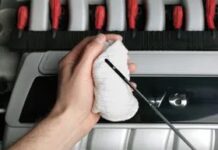
once a month. It takes 5 seconds. A dipstick doesn’t lie.
How do I remove oil residue?
With foaming cleaners or engine flushes. They break up the gunk. However, remember the caveats. If the engine has been badly neglected, mechanical cleaning may be the only solution. It’s expensive.
The goal is simple. Keep the oil clean. Keep the oil flowing. When the light comes on, pull over. Don’t drive. The cost of a tow is nothing compared to the cost of replacing the engine.
There are links for more information. But the core message is clear. Oil is blood. Stop the circulation. Kill the patient.