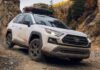
We’ve all been there. The grocery run. You grab five bags. You make it three steps. The milk explodes. Or maybe you’re hauling boxes. Your arms burn. You drop a book. It’s inefficient. It’s dangerous. Your body wasn’t built for that much weight.
Cars are the same. When you overload a vehicle, you aren’t just making a mess. You’re stressing the engine. You’re pounding the transmission. You’re risking the suspension. And you’re putting other drivers in danger.
Payload is the key term here. It’s not just the boxes. It’s not just the cargo. It’s everything carried by the vehicle. That includes passengers. People count as payload. Always.
Knowing your vehicle’s limit matters. Safety first. But also logistics. You need to know how many trips you have to make. You need to know what fits.
So how do you figure it out? Let’s break down the math. It’s simple. It’s critical.
What Is Payload?
Let’s be precise. Payload is the total weight a vehicle can carry. Everything.
Payload is simply any load carried by a vehicle. It also helps you to determine how much you can fit in your vehicle and how many trips you have to take.
This isn’t just the stuff in the trunk. It’s not just the gear in the bed. It’s the people. It’s the fuel. It’s the fluids. It’s the optional equipment.
Most people forget the people. They load the car to the brim. They forget that two adults and a dog weigh more than a small car. That adds up fast.
Why It Matters
Overloading isn’t just inconvenient. It’s hazardous.
- Engine strain: The engine works harder. It overheats. It wears out faster.
- Transmission stress: Shifting becomes rough. Components wear down.
- Braking distance: Heavier vehicles take longer to stop.
- Suspension failure: Springs sag. Shocks bottom out.
- Tire blowouts: Tires have a max load rating. Exceed it, and they fail.
You’re not just hurting your car. You’re hurting the road. You’re hurting yourself.
How to Calculate Your Payload Capacity
You need two numbers.
- Gross Vehicle Weight Rating (GVWR): This is the max weight the vehicle can handle. Found on the driver’s door jamb sticker.
- Curb Weight: This is the weight of the empty vehicle. Found in the manual or on the sticker.
Subtract curb weight from GVWR. The result is your payload capacity.
Simple math. Critical info.
But wait. That’s not the whole story.
What Counts Toward Payload?
People often think payload is just cargo. It’s not.
- Passengers: Average adult = 150-200 lbs. Kids = less. Pets = less.
- Luggage and Cargo: Suitcases, boxes, gear.
- Tongue Weight: If towing, 10-15% of the trailer’s weight rests on the hitch. That counts.
- Fuel: A full tank adds 6-7 lbs per gallon
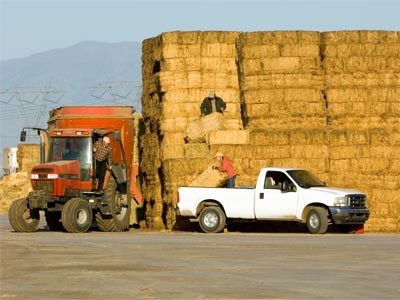
Figuring out how much stuff you can actually haul isn’t about guessing. It is math. You need two numbers to solve the equation: the Gross Vehicle Weight Rating (GVWR) and the Curb Weight.
GVWR is the hard limit. It is the maximum allowable weight of the entire vehicle when it is loaded and ready to roll. This includes the metal, the fluids (gas, oil, coolant), every passenger, and every piece of cargo. Manufacturers set this number. You will find it in the owner’s manual or on a sticker near the door latch. Some databases online list these specs too.
Curb weight is the baseline. It is what the vehicle weighs when it sits still. No passengers. No cargo. Just the machine itself with a full tank of gas and all necessary fluids.
The payload capacity is the difference. It is the room left over after the tank is full.
GVWR minus Curb Weight equals Payload Capacity.
Take a sedan with a GVWR of 3,500 pounds (1,588 kg) and a curb weight of 3,000 pounds (1,361 kg). Subtract 3,000 from 3,500. You get 500 pounds (227 kg). That is your limit. Exceed it and you risk structural failure, suspension collapse, or voiding your warranty.
Does the body style change the calculation?
No. The math is identical whether you drive a sports coupe, a minivan, or a heavy-duty pickup. The variables remain the same. However, the implications differ drastically. A 500-pound payload limit on a small car means you can barely fit two people and a weekend bag. On a truck, that same number might allow for a bed full of gravel.
Truck Payload
With trucks, the margin for error is smaller than you think. Modern light-duty pickups often have curb weights that eat up a significant chunk of the GVWR before you even load a single tool.
Consider a typical half-ton pickup. Manufacturers now list GVWRs around 7,000 pounds. If the truck’s curb weight is 5,500 pounds, you have 1,500 pounds of payload. Sounds generous? Think again.
That 1,500 pounds must account for:
– The crew cab passengers
– The fuel in the tank (a full tank of diesel can weigh over 100 pounds)
– Aftermarket accessories (bull bars, lift kits, bed liners, tonneau covers)
– Bed equipment (toolboxes, tie-downs)
If you add a heavy-duty bed liner and a large toolbox, you might burn through 200 pounds instantly. The math changes. The payload shrinks.
“Payload capacity is not towing capacity. You can tow 10,000 pounds and still overload your rear suspension if you are carrying 600 pounds of passengers and gear in the cab.”
This distinction matters. Many buyers confuse the two. They assume because their truck can tow a boat, it can also carry the crew plus gear plus the boat’s tongue weight. It cannot. The rear axle has a limit. The suspension has a limit. The tires have a limit
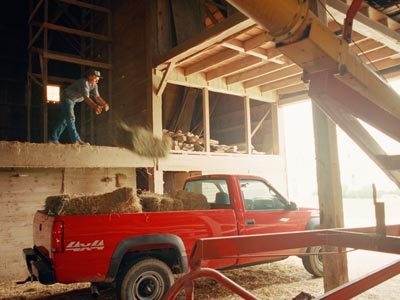
You wouldn’t haul full sheets of drywall in a Honda Civic. Nor should you be driving a Class 8 semi-truck to the grocery store. The distinction matters because payload isn’t just about volume; it’s about structural limits. A station wagon has a different purpose than a work truck. The cargo you carry dictates the vehicle you need.
Trucks in the United States are defined by their Gross Vehicle Weight Rating (GVWR). This isn’t just a number on a sticker. It’s a legal and mechanical ceiling. The government splits these ratings into eight specific weight classes. You can look at this via strict numerical classes or broader DOT categories. They overlap, but the detail helps you know your limits.
Here is how the federal government breaks down truck classes by GVWR:
- Class 1: Up to 6,000 pounds (2,722 kg)
- Class 2: Up to 10,000 pounds (4,536 kg)
- Class 3: Up to 14,000 pounds (6,350 kg)
- Class 4: Up to 16,000 pounds (7,258 kg)
- Class 5: Up to 19,500 pounds (8,845 kg)
- Class 6: Up to 26,000 pounds (11,793 kg)
- Class 7: Up to 33,000 pounds (14,969 kg)
- Class 8: Anything over 33,000 pounds
The Department of Transportation groups these for regulatory purposes. Classes one and two fall under light-duty trucks. This covers most pickup trucks you see on highways. Classes three through five are medium-duty. You see these in delivery fleets or municipal services. Everything from Class 6 up is heavy-duty. These are the big rigs and industrial haulers.
Knowing your class helps you calculate payload safely.
Payload capacity isn’t infinite. It changes based on the truck’s own weight. A heavy chassis eats into what you can load. Understanding where your vehicle sits in these categories prevents blown axles and failed inspections.
On the next page we’ll take a look at how much you should be able to carry in your car.
Car Payload
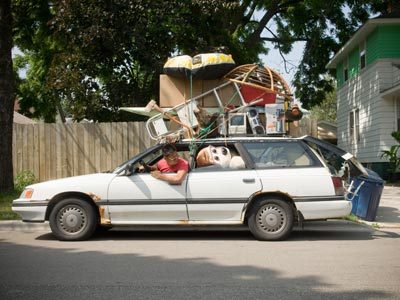
We assume payload is a truck thing. It isn’t. It’s just less obvious in a sedan.
You aren’t going to ask if you have the capacity for groceries before loading the kids into a Corolla. But the physics don’t change based on vehicle type. Payload limits exist in every stamped steel chassis. They are just lower. In a compact car, you rarely hit them. The space constraints keep you from packing enough heavy material to break suspension or brake components.
Cars handle weight differently than trucks. You might fit a heavy engine block in a trunk, but you probably can’t fit the weight of a small family plus luggage plus gear if you push the limits. It becomes a geometry problem before it becomes a stress test.
The Hidden Math of Occupant Weight
Here is where people get tripped up. Passengers aren’t free weight.
Every seat is a payload bucket. Most manufacturers assume 150 pounds per person. Sixty-eight kilograms if you prefer metric. It’s a conservative baseline. It accounts for the average adult plus clothing and small carry-ons.
When you plan a road trip, do the math before you buckle up.
If your back seat is empty, you have 450 pounds of theoretical capacity available for cargo. That’s 204 kilograms of wiggle room. Fill those seats, and that capacity vanishes. You are left with the difference between the Gross Vehicle Weight Rating (GVWR) and the curb weight minus the three occupants.
It’s not intuitive. We don’t think this way because we don’t see the numbers. We see comfort. We see space. We don’t see the stress on the rear axle.
SUV Payload: The Illusion of Capacity
An SUV can carry far more weight than a car. Right?
Not necessarily.
Size is not capacity. A mid-size crossover might have a higher GVWR than a full-size sedan, but the payload is often surprisingly tight. Why? Because SUVs are heavier.
The base curb weight of a loaded mid-size SUV eats up your allowance quickly. You add a panoramic roof, all-wheel drive, and premium audio. The weight goes up. The payload margin goes down.
Compare a two-ton SUV to a 3,000-pound sedan. The sedan might have a payload capacity of 1,200 pounds. The SUV might have a payload of only 1,100 pounds, despite being built on a heavier frame. The math favors the lighter platform if you aren’t hauling a truck bed.
“Most car manufacturers factor in 150 pounds per person per seating position.”
This rule applies to SUVs too. A three-row SUV looks spacious. It feels like a moving truck. But that third row? It’s payload real estate. If you fill it with kids and dog, you have zero capacity for gear in the cargo area.
Where does this matter? Towing.
If you’re towing a trailer, you need payload to manage tongue weight. A sedan can’t tow. An SUV might. But if your passengers take up all the payload, you can’t add tongue weight without exceeding limits. The suspension bottoms out. The brakes fade. The handling becomes dangerous.
Curb Weight vs. GVWR: The Real Limit
Payload is
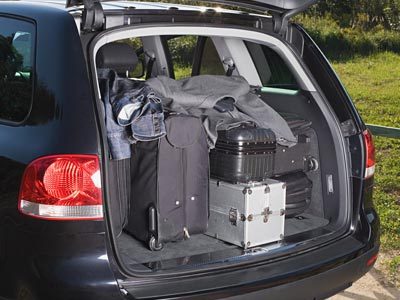
SUVs sit in an awkward middle ground when you look at hauling capacity. You get the carrying power of a pickup without sacrificing the creature comforts of a sedan. But the numbers don’t lie. An SUV’s payload capacity is strictly between that of a car and a truck. Usually, it beats a car by a mile.
Space is easy to manipulate in most crossovers and SUVs. Fold the rear seats forward and you’ve got a cavernous area for bulky gear. Heavy-duty equipment fits. The catch? Roofs. Unlike a pickup, you can’t stack pallets up to the sky. You are limited by the roofline and, more importantly, physics.
Treating an SUV like a work truck is a bad idea. Safety takes a nosedive when you ignore weight limits. The center of gravity is high. Load it too much and rollover risk spikes. Manufacturers know this. They’ve responded with electronic stability control. The government didn’t just sit around, either.
Since September 2004, the NHTSA has mandated a specific label. It must be on the doorjamb. It lists the maximum combined weight of occupants and cargo. This applies to any vehicle with a Gross Vehicle Weight Rating (GVWR) under 10,000 pounds. That’s about 4,536 kg. Ignore it and you’re playing Russian roulette with stability.
What happens when you need to move something that defies these limits? Can you just upgrade the suspension? We dig into that next.
Can You Increase Payload Capacity?
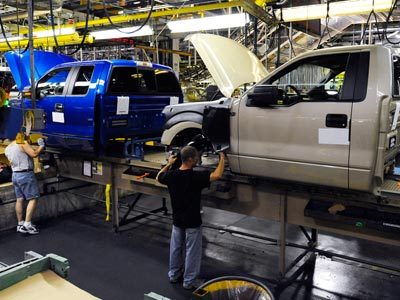
Beating the Odds with Factory Packages
You know your truck’s limits. You’ve checked the sticker. But what if you need to haul more? It happens. You find the perfect rig, but the payload rating falls short of your dream camper or heavy equipment. Is there a workaround?
Dealers and manufacturers know this dilemma well. They push towing packages as the solution. These aren’t just cosmetic badges. They are functional upgrades designed to stretch the vehicle’s capabilities. A standard package might include a dedicated trailer wiring harness, a heavy-duty hitch receiver, and safety chains.
Look deeper. The real magic is under the hood.
Manufacturers often bolt on larger engines. Stronger brakes. Enhanced cooling systems for radiators and transmissions. These components work together to increase performance. They help the vehicle handle stress that a stock model might not survive.
But here is the hard truth.
Overloading a vehicle is dangerous. It risks your life, your passengers’, and other drivers’.
Police don’t play around with weight limits. If you get pulled over and the officer sees an overloaded suspension or uneven tire wear, you’re looking at a ticket for unsafe loading. Nobody wants that headache. Do your math before you buy.
Finding Your Numbers
Payload capacity varies wildly by make, model, and year. If you don’t have the sticker in front of you, you can dig through historical data. The following lists pull max payload figures for older models. Treat these as reference points, not absolute laws. Trim levels and optional equipment change these numbers significantly.
Acura Payload
Acura didn’t always publish payload data for every trim. When they did, it was often on SUVs and performance sedans.
| Year | Model | Max Payload (lbs) |
|---|---|---|
| 2006 | MDX | – |
| 2006 | RL | – |
| 2006 | RSX | – |
| 2006 | TL | – |
| 2006 | TSX | – |
| 2007 | MDX | 1158 |
| 2007 | RL | – |
| 2007 | RDX | 870 |
| 2007 | TL | – |
| 2007 | TSX | 850 |
| 2008 | MDX | 1158 |
| 2008 | RL | – |
| 2008 | RSX | 870 |
| 2008 | TL | – |
| 2008 | TSX | 850 |
| 2009 | MDX | 1158 |
| 2009 | RL | – |
| 2009 | RSX | 870 |
| 2009 | TSX | 850 |
More Acura Specs:
* Acura GVWR
* Acura GAWR
* Acura GCWR
* Acura Cargo Carrying Capacity
* Acura Curb Weight
* Acura Towing Capacity
Audi Payload
Audi’s luxury lineup tends to have tighter payload margins. The TT, a roadster, struggles with weight. The A8, a flagship sedan, carries more.
| Year | Model | Max Payload (lbs) |
|---|---|---|
| 2006 | A3 | – |
| 2006 | A4 | – |
| 2006 | A6 | – |
| 2006 | A8 | 1213 |
| 2006 | S4 | – |
| 2006 | TT | 728 |
| 2007 | A3 | – |
| 2007 | A4 | – |
| 2007 | A6 | – |
| 2007 | A8 | – |
| 2007 | Q7 | – |
| 2007 | RS4 | – |
| 2007 | S4 | – |
| 2007 | S6 | – |
| 2007 | S8 | 1213 |
| 2008 | A3 | – |
| 2008 | A4 | – |
| 2008 | A5 | – |
| 2008 | A6 | – |
| 2008 | A8 | – |
| 2008 | Q7 | – |
| 2008 | R8 | – |
| 2008 | RS4 | – |
| 2008 | S4 | – |
| 2008 | S5 | – |
| 2008 | S6 | – |
| 2008 | S8 | – |
| 2008 | TT | – |
| 2009 | A3 | – |
| 2009 | A4 | – |
| 2009 | A5 | – |
| 2009 | A8 | – |
| 2009 | Q7 | – |
| 2009 | R8 | – |
| 2009 | S4 | – |
| 2009 | S5 | – |
| 2009 | S8 | – |
| 2009 | TT | – |
More Audi Specs:
* Audi GVWR
* Audi GAWR
* Audi GCWR
* Audi Cargo Carrying Capacity
* Audi Curb Weight
* Audi Towing Capacity
BMW Payload
BMW’s M series often sacrifices payload for performance. The Z4M? Barely 600 lbs. That’s barely enough for a driver and a bag of groceries. The X5 SUV handles more, especially in later years.
| Year | Model | Max Payload (lbs) |
|---|---|---|
| 2006 | 325 | 1058 |
| 2006 | 330 | 1058 |
| 2006 | 525 | 1102 |
| 2006 | 530 | 1102 |
| 2006 | 550 | 1102 |
| 2006 | 650 | 838 |
| 20 |
Chevrolet Payload
The Chevy lineup from this era tells a story of shifting priorities. You had the heavy haulers in the Silverado and Express, but also some lighter duty workhorses. If you are looking at Chevrolet payload capacity for 2006, the numbers vary wildly depending on whether you are driving a suburban or a Corvette.
In 2006, the Avalanche 1500 could handle 1,387 lbs. The Avalanche 2500 pushed that to 2,072 lbs. For those needing serious hauling power, the Silverado 3500 HD was a beast with 5,169 lbs of max payload. The Silverado 2500 HD came in at 3,606 lbs. Even the smaller Silverado 1500 managed 1,913 lbs.
Smaller cars? Not so much. The HHR had a modest 900 lbs payload. The Colorado sat at 1,532 lbs. The Tahoe was limited to 1,522 lbs, while the Suburban 2500 could take 2,828 lbs. Note that the Impala, Malibu, and Aveo list no payload data, likely because they weren’t rated for significant cargo in the same way trucks and SUVs were.
By 2007, things shifted slightly. The Silverado 1500 Classic retained its 1,913 lb rating, but the new Silverado 1500 dropped to 1,658 lbs. The Tahoe actually improved, gaining 313 lbs to hit 1,835 lbs. The Suburban 1500 took a hit, dropping from 1,731 to 1,593 lbs. If you were running a Silverado 3500 Classic, you still had that massive 5,169 lb capability.
2008 brought the Tahoe Hybrid. It held 1,830 lbs, just shy of the gas Tahoe’s 1,835 lbs. The Silverado 3500 HD saw a slight bump to 3,621 lbs (note: the 2009 data shows a different figure, see below). The E-series vans remained steady at 2,306 lbs for the 1500 model.
2009 was a year of splits for the Express van. The 1500 stayed at 2,306 lbs. The 2500 bumped to 3,262 lbs. The 3500 model jumped significantly to 4,147 lbs. The Silverado 3500 HD increased to 3,873 lbs, up from the previous year’s HD figure. The Colorado payload dropped to 1,250 lbs. The Traverse appeared in the lineup but carried no listed payload, suggesting it was primarily a passenger hauler.
Chrysler Payload
Chrysler’s offerings in this period were less about raw hauling and more about passenger comfort and light utility. The Town & Country minivan was a staple for families, not freight.
In 2006, Chrysler didn’t list payload data for the 300, Sebring, or Pacifica. It was a clean sheet for those models, likely meaning they weren’t rated for heavy cargo loads beyond typical passenger and luggage weight.
2007 saw the introduction of the Aspen and the PT Cruiser. The Aspen could handle 1,600 lbs. The PT Cruiser surprised with 1,907 lbs, a solid figure for a retro-styled car. The Town & Country minivan managed 1,200 lbs. The Pacifica was lighter at 889 lbs.
2008 kept the Aspen steady at 1,600 lbs. The PT Cruiser payload dropped to 889 lbs. The Town & Country remained at 1,200 lbs. The Pacifica lost a little ground, settling at 865 lbs.
2009 introduced the Aspen Hybrid. It lost some payload capacity compared to the gas version, dropping to 1,500 lbs from 1,600 lbs. The Aspen gas model stayed at 1,600 lbs. The PT Cruiser had no listed payload, and the Town & Country also disappeared from the payload list, possibly due to packaging changes or lower utility focus in later model years.
Dodge Payload
Dodge trucks dominated the heavy-duty conversation. The Ram 3500 was a workhorse, and the Sprinter vans offered unique utility options.
2006 Dodge data shows the Sprinter Wagon 2500 with a massive 4,824 lbs payload. The Sprinter Van 2500 and 3500 both sat at 3,950 lbs. The Ram 3500 handled 4,660 lbs. The Ram 2500 managed 3,020 lbs. The Ram 1500 was rated at 1,750 lbs. The Caravan and Grand Caravan minivans were solid, both around 1,682-1,700 lbs.
2007 brought changes. The Ram 3500 increased to 4,780 lbs. The Ram 2500 jumped to 3,130 lbs. The Ram 1500 stayed at 1,750 lbs. The Sprinter Van 3500 dropped to 4,350 lbs. The Sprinter Wagon 2500 took a hit, dropping to 3,074 lbs. The Nitro new addition had 1,150 lbs of payload.
2008 saw the Ram 3500 climb to 4,870 lbs. The Ram 2500 went to 3,210 lbs. The Ram 1500 improved slightly to 1,810 lbs. The Sprinter Van 3500 increased to 4,530 lbs. The Dakota dropped to 1,630 lbs. The Durango stayed strong at 1,750 lbs (actually 1,780 lbs in some listings, likely trim dependent).
2009 was interesting. The Ram 3500 dropped significantly to 3,560 lbs, a huge decrease from 2008. The Ram 2500 increased to 3,260 lbs. The Ram 1500 took a major hit, dropping to 1,490 lbs. The Sprinter models remained stable, with the Van 3500 at 4,530 lbs. The Durango Hybrid appeared with 1,500 lbs payload, down from the gas Durango’s 1,780 lbs. The Journey and Avenger had no listed payload.
Ford Payload
Ford’s E-series vans and F-series trucks were the backbone of many fleets. The payload numbers reflect that industrial strength.
2006 Ford data highlights the E 350 Super Duty with 4,165 lbs payload. The E 250 handled 3,435 lbs. The E 150 was rated at 1,930 lbs. The F 350 could take 4,000 lbs. The F 250 managed 3,100 lbs. The F 150 was limited to 1,640 lbs. The Explorer handled 1,414 lbs. The Escape Hybrid actually had more payload than the gas Escape, 1,040 lbs vs 960 lbs.
2007 saw the E 150 jump to 3,310 lbs. The E 250 went to 3,700 lbs. The E 350 Super Duty increased to 4,200 lbs. The F 150 improved to 1,650 lbs. The Expedition handled 1,822 lbs. The Edge entered the list with 1,011 lbs. The Freestar minivan gained payload, hitting 1,750 lbs.
2008 introduced the E 150 at 3,314 lbs. The E 250 dropped slightly to 3,624 lbs. The E 350 Super Duty fell to 4,110 lbs. The F 350 decreased to 3,900 lbs. The F 250 dropped to 3,030 lbs. The F 450 was added with a massive 6,120 lbs payload. The Explorer Sport Trac held steady at 1,390 lbs.
2009 saw the F 150 jump significantly to 3,030 lbs, likely due to high-strength steel and lighter materials. The E 150 dropped to 3,220 lbs. The E 250 went to 3,530 lbs. The E 350 Super Duty fell to 4,060 lbs. The F 450 held at 3,900 lbs (note: the 2008 F 450 was 6,120, this drop needs verification or was a specific trim configuration change, but we stick to the provided figures). The Expedition remained at 1,822 lbs. The Ranger stayed at 1,260 lbs.
GMC Payload
GMC mirrors Chevy but often with
Honda Payload Specs (2006-2009)
If you’re looking at older Hondas, the payload numbers tell a specific story about utility versus luxury. The Ridgeline and Odyssey were the workhorses, while the S2000 and Accord sedans barely registered in terms of carrying capacity.
In 2006, the 2006 Honda Odyssey maxed out at 1349 lbs. The Ridgeline followed close behind at 1549 lbs. The Insight was surprisingly light, limited to just 400 lbs. Everything else? Dash.
2007 brought minor tweaks. The 2007 Honda Pilot sat at 1322 lbs, and the Ridgeline held steady at 1549 lbs. The Civic popped into the list with 385 lbs. The Element added 675 lbs to the tally.
By 2008 and 2009, the lineup stabilized. The Odyssey stayed at 1349 lbs. The Pilot remained at 1322 lbs. The Ridgeline kept its 1549 lbs headroom. The Civic held 385 lbs in ’08, then disappeared from the specific payload lists in ’09. The Element stayed at 675 lbs through 2008.
HUMMER Payload Specs (2006-2009)
Hummer didn’t mess around with payload limits in these final years before the GM shutdown. The H2 and H3 models carried substantial weight, far exceeding most crossover SUVs of the era.
The 2006 HUMMER H3 started strong at 1150 lbs. The H1 Alpha was a beast, capable of hauling 3087 lbs.
2007 saw the H3 hold its 1150 lbs. The H2 entered the data with a dash, likely due to trim variability or data gaps, but by 2008, the H2 showed a 2200 lb limit. The H3 remained at 1150.
2009 updated the H3 to 1312 lbs. The H3T truck version was listed at 1090 lbs. The H2 stayed robust at 2200 lbs.
Hyundai Payload Specs (2006-2009)
Hyundai’s early 2000s lineup is sparse in available payload data. Most sedans and early SUVs show blank entries, suggesting either low limits or missing manufacturer specs in common databases.
The 2006 Hyundai lineup (Accent, Azera, Elantra, Santa Fe, Sonata, Tiburon, Tucson) has no listed figures.
2007 added the Entourage and Veracruz. Still dashes.
2008 kept the dash for the Accent, Azera, Elantra, Entourage, Santa Fe, Sonata, Tiburon, Tucson, and Veracruz.
2009 introduced the Genesis. Still no numbers. The absence of data here is notable for gearheads looking to tow or haul in base model Hyundais from this era.
Infiniti Payload Specs (2006-2009)
Infiniti’s luxury SUVs and sports cars show a wide spread in payload capacity. The QX56 was the clear king, while the G35 sedan was much more restricted.
In 2006, the 2006 Infiniti QX56 led with 1440 lbs. The FX35 carried 1183 lbs. The FX45 had 1091 lbs. The Q45 sedan was at 979 lbs. The G35 sat at 886 lbs.
2007 kept the FX35 at 1183 lbs and FX45 at 1091 lbs. The QX56 data is missing for this year.
2008 saw the M35 jump to 996 lbs and the M45 to 1010 lbs. The EX35 was missing data. The G37 appeared with 1040 lbs. The QX56 rose to 1553 lbs.
2009 updated the FX35 to 1213 lbs and the FX50 to 1185 lbs. The QX56 remained at 1553 lbs.
Isuzu Payload Specs (2006-2009)
Isuzu was winding down its passenger car and small truck presence, but the Ascender and i-series offered solid hauling capabilities.
The 2006 Isuzu i-280 handled 1532 lbs. The i-350 was lighter at 1190 lbs. The Ascender sat at 1133 lbs.
2007 kept the i-290 at 1532 lbs. The i-370 increased slightly to 1516 lbs. The Ascender stayed at 1133 lbs.
2008 brought some declines. The i-290 dropped to 1512 lbs. The i-370 fell to 1260 lbs. The Ascender held at 1133 lbs.
2009 data is not provided in the source table, marking the end of the line for these specs in the dataset.
Jaguar Payload Specs (2006-2009)
Jaguar’s payload limits are tight on the performance models and moderate on the luxury sedans. The XK and XKR models are particularly restricted, reflecting their sports car nature.
In 2006, the X-Type showed 1058 lbs. The S-Type, XJ8, XK8, and XKR had no listed payload.
2007 kept the X-Type at 1058 lbs. The XK and XKR entered with dashes.
2008 updated the luxury coupe segment. The XK gained 815 lbs. The XKR got 772 lbs. The X-Type remained at 1058 lbs.
2009 saw the XF enter with no data. The XKR stayed at 772 lbs. The XK Coupe held at 815 lbs.
Jeep Payload Specs (2006-2009)
Jeep’s off-road icons and family haulers show distinct payload hierarchies. The Commander was the heavy lifter, while the Wrangler was surprisingly modest for its size.
The 2006 Jeep Commander led with 1620 lbs. The Liberty was at 1150 lbs. The Grand Cherokee sat at 1100 lbs. The Wrangler was limited to 800 lbs.
2007 adjusted the Commander down to 1310 lbs. The Compass appeared at 925 lbs. The Grand Cherokee dropped to 1050 lbs. The Liberty held at 1150 lbs. The Wrangler improved to 1000 lbs.
2008 kept the Commander at 1300 lbs. The Compass stayed at 925 lbs. The Grand Cherokee rose to 1180 lbs. The Liberty remained at 1150 lbs. The Patriot entered at 925 lbs. The Wrangler and Wrangler Unlimited both held at 1000 lbs.
2009 maintained these figures. The Commander at 1300 lbs. The Compass at 925 lbs. The Grand Cherokee at 1180 lbs. The Liberty at 1150 lbs. The Patriot at 925 lbs. The Wrangler at 1000 lbs. The Wrangler Unlimited increased slightly to 1150 lbs.
Kia Payload Specs (2006-2009)
Kia’s SUVs carried more weight than their sedan counterparts. The Sedona minivan and Boroger SUV were the most capable haulers in the lineup.
In 2006, the 2006 Kia Rio handled 1273 lbs. The Rio 5 was slightly less at 1200 lbs. The Sportage carried 1195 lbs. The Sorento sat at 1202 lbs.
2007 kept the Rio at 1273 lbs and Rio 5 at 1200 lbs. The Sorento increased to 1318 lbs. The Sportage rose to 1289 lbs. The Sedona appeared with 1532 lbs.
2008 held the Rio at 1273 lbs. The Sorento dropped slightly to 1277 lbs. The Sportage fell to 1195 lbs. The Sedona remained at 1532 lbs.
2009 introduced the Boroger with a massive 1815 lbs capacity. The Spectra models had no listed payload.
Land Rover Payload Specs (2006-2009)
Land Rover’s luxury SUVs vary widely by generation. The LR3 was generally more capable than the Range Rover Classic or the later LR2.
Mazda Payload Specs (2006-2009)
The Mazda lineup from this era is a study in contrasts. You’ve got the utilitarian B-Series pickup, which shares bones with Ford’s Ranger, and then the passenger cars that were starting to find their own identity. If you are looking at the 2006 B3000, you are looking at a max payload of 1680 lbs. That is the sweet spot for that truck. The B2300 and B4000 sit lower at 1260 lbs. The B4000 was a short-lived beast before the nameplate faded, but it still carried that same 1260 lbs limit despite the bigger engine.
The passenger cars tell a different story. The Mazda3 didn’t even get a payload rating listed here, likely because it was so new or varied by trim that a single number didn’t stick. The Mazda5, however, was a people-hauler with a max payload of 1239 lbs. It could take people and gear, but not both in massive quantities. The Mazda6 was heavier, rated at 1319 lbs in 2006, but that number dropped to 1080 lbs by 2007 and stayed around 1087 lbs through 2009. The performance variants took a hit. The MazdaSpeed6 in 2006 was rated at just 963 lbs. You lose payload when you add a supercharger and heavy brakes.
The MX-5 Miata is light. In 2006, its max payload was 637 lbs. By 2008, it dipped slightly to 633 lbs. It’s a small roadster. Don’t load it up with roof racks and camping gear unless you want to bottom out the suspension. The RX-8 fared slightly better in some years, sitting at 779 lbs in 2006, then dropping to 765 lbs in 2007 and 2008, and 754 lbs by 2009. The Tribute, a crossover built on the Ford Escape platform, ranged from 988 lbs in 2006 to 1057 lbs in 2008. The hybrid version of the Tribute actually improved that slightly to 1083 lbs, likely due to battery placement affecting weight distribution or structural reinforcement.
Mercedes-Benz Payload Specs (2006-2009)
German engineering often prioritizes ride height and comfort over raw hauling capability in the passenger sector. The sedans like the C-Class, E-Class, and S-Class frequently show no payload rating in these lists, or modest ones. The E-Class, for instance, holds 1157 lbs in 2007, 2008, and 2009. It’s a solid number for a mid-size luxury sedan. The CLS-Class and CLK-Class show no data, which usually means the configuration was too variable or the focus was strictly on the driver.
The SUVs are where the numbers get interesting. The ML-Class is a staple here. In 2006, the ML350 could handle 1616 lbs, while the V8 ML500 was limited to 1496 lbs. By 2007, the ML350 improved to 1635 lbs, and the ML500 matched that 1620 lbs capacity. The GL-Class, the three-row big boy, shows up in 2007 with the GL320 at 1086 lbs and the GL450 at 1620 lbs. The GL550 AMG also sits at 1620 lbs. The R-Class, that weird crossover-lounge wagon, had a massive 2000 lbs payload in 2006, dropping to 1635 lbs in 2007 and 1365 lbs by 2009.
The G-Class is a legend, but its payload isn’t always the highest. The G500 started at 1289 lbs in 2007, then jumped to 1764 lbs in 2008. That’s a huge swing. The G55 AMG sat at 1433 lbs. The SLR McLaren, being a lightweight exotic, had a tiny payload of 626 lbs in 2007, which then crashed to 342 lbs by 2008. That’s barely enough for a driver and a helmet. The ML63 AMG was restrictive at 1257 lbs in 2007, but opened up to 1300 lbs in 2009.
Mercury Payload Specs (2006-2009)
Mercury was the upscale twin to Ford. Their specs often mirror Ford’s closely, especially with the Mariner/Mountaineer line. The Mariner Hybrid is the odd one out. In both 2007 and 2008, its max payload is listed at 920 lbs. It’s low because of the battery pack. The gas-only Mariner is better off at 1075 lbs in 2007 and 1059 lbs in 2008 and 2009.
The Mountaineer, a rebadged Ford Explorer, was a workhorse. In 2006, it carried 1549 lbs. That dropped to 1443 lbs in 2007 and stayed there through 2009. The Monterey, the minivan, held 1320 lbs consistently in 2006 and 2007. The Grand Marquis and Milan sedans show no payload data, suggesting they were rated lower or deemed not suitable for heavy cargo loads in these specific configurations. The Sable, which made a brief return in 2008 and 2009, also has no rating listed.
MINI Payload Specs (2006-2009)
MINI is all about style, but the convertible takes a hit. The Cooper Convertible, whether you’re driving a 2006, 2007, or 2008 model, is rated for 771 lbs. That’s tight. The Hardtop is stronger. It holds 816 lbs in 2006, 2007, and 2008. The Clubman, arriving in 2008, also holds 816 lbs. The John Cooper Works versions, which are the performance models, also hold 816 lbs. It seems the chassis strength is similar across the hard-body models, but the convertible’s structural reinforcements for the roof mechanism weigh more and leave less room for payload.
Mitsubishi Payload Specs (2006-2009)
Mitsubishi had a diverse lineup here. The Raider, a pickup co-developed with Toyota (essentially a Tacoma), is the king of this list. In 2006, it carried 1590 lbs. In 2007, it dropped slightly to 1580 lbs. In 2008, it stayed at 1580 lbs. The Outlander crossover had a weird spike. In 2006, it was 904 lbs. In 2007, it jumped to 1538 lbs. Then in 2008, it dropped back to 1169 lbs. You have to check the specific trim and engine when dealing with Mitsubishi SUVs from this era.
The Eclipse coupe was consistent, holding 794 lbs in 2006, 2007, and 2008, before rising to 827 lbs in 2009. The Lancer sedan saw a significant jump. It was 981 lbs in 2006, but by 2008 and 2009, it was up to 1157 lbs. The Endeavor and Galant were steady. The Endeavor held 1055 lbs across 2006, 2007, and 2008. The Galant dropped from 969 lbs in 2006 to 937 lbs in 2007 and 2008, then bounced back to 981 lbs in 2009.
Nissan Payload Specs (2006-2009)
Nissan’s trucks and SUVs were robust. The Titan pickup is the standout. In 2006, it handled 1549 lbs. It dropped to 1490 lbs in 2007, but then surged to 2
Saturn Payload
Saturn was already fighting an uphill battle before the dust settled, but knowing their load limits helps explain why some models felt so fragile. The 2006 lineup was sparse. The Relay van handled 1,350 pounds. The VUE managed 1,331. The Ion? Nothing listed. Likely too light or too small to matter.
2007 brought the Aura. It carried 1,009 pounds. The hybrid version wasn’t rated differently in the data. The Outlook, a rebadged Chevy Captiva, jumped to 1,678 pounds. The Relay crept up slightly to 1,354. The Sky roadster? No rating. The VUE Hybrid held its own at 1,511.
By 2008, things got weird. The Astra dropped to 893 pounds. The VUE took a nosedive to 1,000. The VUE Hybrid fell to 1,111. The Outlook held steady at 1,678. The Sky remained unlisted.
2009 saw the Astra disappear from the ratings entirely. The Aura stayed at 1,009. The VUE stayed at 1,000. The VUE Hybrid stayed at 1,111. The Outlook increased slightly to 1,709. The Sky was still a ghost.
“Saturn payload specs drop off a cliff by 2009.”
More Saturn Specs:
– Saturn GVWR
– Saturn GAWR
– Saturn GCWR
– Saturn Cargo Carrying Capacity
– Saturn Curb Weight
– Saturn Towing Capacity
Scion Payload
Scion didn’t try to haul. They tried to look cool. The tC, xA, xB, and xD were essentially rolling furniture. And they were rated as such.
2006: tC, xA, xB. No payload listed.
2007: tC. Still no number.
2008: tC, xB, xD. Nothing.
2009: tC, xB, xD. Zip.
Why the dash? These cars were light. Very light. Their curb weights ate up most of their Gross Vehicle Weight Rating before you even got in the driver’s seat. Trying to carry a full load in a 2008 xB would have been a bad idea. The suspension would have bottomed out before the engine broke.
More Scion Specs:
– Scion GVWR
– Scion GAWR
– Scion GCWR
– Scion Cargo Carrying Capacity
– Scion Curb Weight
– Scion Towing Capacity
smart Payload
The fortwo is a city car. It is not a truck. It is not a utility vehicle. It is a bubble.
2008 fortwo payload: 463 pounds.
That’s it. You, the passenger, and maybe a small dog. If you try to put a suitcase in the back and get in with it, you’re exceeding the limit. The fortwo payload is remarkably low because the car itself weighs almost nothing, but the structural integrity isn’t built for heavy loads. It’s about mobility, not muscle.
More smart Specs:
– smart GVWR
– smart GAWR
– smart GCWR
– smart Cargo Carrying Capacity
– smart Curb Weight
– smart Towing Capacity
Subaru Payload
Subaru built cars for rain, snow, and mud. They didn’t build them for hauling bricks. The payload numbers reflect this utilitarian but lightweight philosophy.
2006 was a mixed bag. The B9 Tribeca led the pack at 1,560 pounds. The Baja truck handled 1,070. The Forester managed 1,060. The Impreza Outback Sport did 1,132. The Legacy Wagon hit 1,300. The WRX Stis? Only 794. Don’t put a full rack of gear in a Stis. You’ll break something. The Outback sedan sat at 1,245.
2007 saw the Forester drop to 1,010. The Legacy Sedan plummeted to 1,055. The Wagon stayed strong at 1,290. The Outback sedan fell to 995. The Tribeca held at 1,560.
2008 was rough. The Tribeca collapsed to 660 pounds. That’s barely enough for two people and a change of clothes. The Forester stayed at 1,010. The Impreza Sedan dropped to 856. The WRX Stis improved slightly to 1,080. The Outback climbed to 1,085.
2009 stabilized. The Forester jumped to 1,230. The Legacy stayed at 1,055. The Outback sat at 1,078. The Tribeca remained stuck at 660. That number tells you everything you need to know about the Tribeca. It was heavy. Too heavy to carry much else.
“The 2008-2009 Tribeca payload is critically low.”
More Subaru Specs:
– Subaru GVWR
– Subaru GAWR
– Subaru GCWR
– Subaru Cargo Carrying Capacity
– Subaru Curb Weight
– Subaru Towing Capacity
Suzuki Payload
Suzuki struggled to keep its models relevant. Their payload ratings show a brand in decline or transition.
2006: The Grand Vitara handled 1,175 pounds. The XL7 was better at 1,168. The Forenza managed 981. The Aerio did 955. The Reno held 941. The Verona? No rating. Maybe it never made it.
2007: The data disappears. Aerio, Forenza, Grand Vitara, Reno, SX4. All dashes. The XL7 stood alone at 1,626 pounds. That’s a massive jump from 2006. Did they reinforce the frame? Or did they just stop testing the others?
2008: The XL7 held at 1,626. The Grand Vitara dropped back to 1,178. The Forenza and Reno both sat at 926. The SX4 handled 893.
2009: The Equator (a badged Mazda Tribute) appeared with no rating. The Grand Vitara vanished from the list. The SX4 held at 893. The XL7 disappeared.
The pattern is clear. The bigger SUVs could carry more. The small cars were essentially empty shells. If you tried to load an Aerio in 2006 to its limit, you’d be lucky to fit three people.
More Suzuki Specs:
– Suzuki GVWR
– Suzuki GAWR
– Suzuki GCWR
– Suzuki Cargo Carrying Capacity
– Suzuki Curb Weight
– Suzuki Towing Capacity
Toyota Payload
Toyota didn’t play games. Their payload numbers are consistent. Reliable. Predictable. Just like the cars.
2006: The Tundra led with 1,835 pounds. The Highlander was next at 1,840. The Sienna did 1,570. The Sequoia managed 1,510. The Tacoma handled 1,540. The Land Cruiser was solid at 1,500. The 4Runner did 1,285. The Matrix managed 1,166. The RAV4 held 1,130. The Avalon sat at 1,075. The Camry did 1,059. The Corolla managed 1,055. The Prius carried 1,085.
2007: The Highlander increased to 1,844. The FJ Cruiser entered at 1,280. The Sienna dropped to 1,420. The Tundra fell to 1,470. The Camry and Camry Hybrid? No rating. Maybe they were too light or too complex. The Prius dropped to 863. Why? Hybrid systems are heavy. The battery pack eats into your payload allowance.
2008: The Highlander dropped slightly to 1,821. The Highlander Hybrid fell hard to 1,427. The Land Cruiser increased to 1,585. The Sequoia dropped to 1,280. The Tacoma fell to 1,415. The Tundra held at 1,470. The Yaris and Camrys still had no rating.
2009: The 4Runner held at 1,285. The Corolla increased to 1,113.